The Rise of Europe’s Slow Winter Movement: How Europeans Are Redefining Comfort, Energy Use and Everyday Living in 2025–2026
Winter 2025–2026 arrives in a Europe shaped by rising energy awareness, cost-of-living adjustments and a cultural shift toward calmer, more intentional living. Across the continent, a new phenomenon is taking hold: the Slow Winter Movement. Inspired by slow living, Nordic winter habits, energy-conscious practices and wellness science, Slow Winter is becoming the defining trend of the season. It blends comfort, reduced consumption and mindful routines — without austerity, guilt or deprivation. This article explores how Europeans are embracing this lifestyle, what it looks like in practice and how you can integrate Slow Winter principles into your home, routine and wellbeing. Backed by data, behavioural psychology and sustainability trends, this is your complete guide to the Slow Winter of 2025.
1. Why Slow Winter is emerging now
Slow Winter is not just an aesthetic; it is a response to real shifts happening across Europe in 2025–2026. Energy, mental health and culture all intersect here.
Key drivers include:
- energy volatility during winter, with households still adapting after several tense seasons (see Europe’s 2025–2026 winter energy crunch);
- growing interest in low-stress, slower routines after a decade of always-on digital work culture;
- increased demand for low-energy comfort solutions such as better insulation and high-efficiency heating;
- psychological fatigue from constant online notifications, news feeds and streaming;
- a desire for affordable, meaningful traditions rather than disposable trends and impulse purchases.
Winter is the perfect season for this shift: longer evenings, cooler temperatures and more time at home naturally invite a slower pace. Slow Winter simply gives that instinct a name, a structure and a set of practical habits.
2. What exactly is the Slow Winter Movement?
Slow Winter is a lifestyle philosophy that combines simplicity, comfort and low-impact choices. It borrows from slow living, Scandinavian winters and energy-efficiency best practices, but adapts them to 2025 European realities.
Its core pillars are:
- intentional comfort — choosing warmth and wellbeing, not overconsumption;
- low-energy living — smart heating, basic insulation, winter-proof daily habits;
- meaningful rituals — small, consistent moments that reduce stress and anchor the day;
- seasonal nutrition — hearty meals, local food and immune-supporting ingredients;
- digital boundaries — less stimulus, more presence;
- connection to home — treating living spaces as winter sanctuaries rather than storage areas.
In many ways, Slow Winter is the human side of Europe’s renovation and energy policies. While governments talk about heat pumps, insulation and renovation passports, Slow Winter translates those ideas into everyday routines, feelings and choices. For more on the policy side, you can pair this guide with Europe’s 2026 eco-renovation wave and EU eco-renovation plan 2026: winter bills explained.
3. The Slow Winter home: how Europeans are transforming interiors
At home, Slow Winter is visible in a move toward softer, calmer interiors. Instead of minimalist white spaces or overloaded decorations, many households are choosing what designers call soft minimalism: fewer objects, but more texture and warmth.
Common elements include:
- textured natural fabrics such as linen, wool and cotton blends;
- soothing lighting using warm micro-LEDs and soft lamps instead of harsh overhead light;
- neutral, earthy palettes that reduce sensory fatigue;
- layered warmth with throws, rugs and cushions instead of pushing the thermostat higher;
- low-clutter living areas that make it easier to relax at the end of the day.
Practical upgrades might be as simple as:
- adding wool throws for warmth instead of raising the heating by 2 °C;
- replacing a single bright ceiling light with several low-intensity lamps;
- using low-energy decorative lighting inspired by our guide on low-energy Christmas lights and eco decorations;
- creating a reading corner with a comfortable chair, side table and warm lamp;
- placing thick rugs in cold zones such as hallways or near doors.
This approach fits naturally with Europe’s renovation wave: before upgrading heating systems, many households start with small insulation tweaks, better curtains and cosy layouts that reduce the need for constant high heating.
4. Slow Winter and energy: comfort without excess
A defining feature of the Slow Winter Movement is learning to use less energy without feeling cold or deprived. Rather than sacrificing comfort, the idea is to direct energy where it matters most.
Key Slow Winter energy strategies in 2025 include:
- zoned heating rather than whole-home heating, focusing on spaces that are actually used;
- thermal curtains that can reduce heat loss through windows by 15–25% in many homes;
- door draught blockers cutting losses at the bottom of doors by up to 10%;
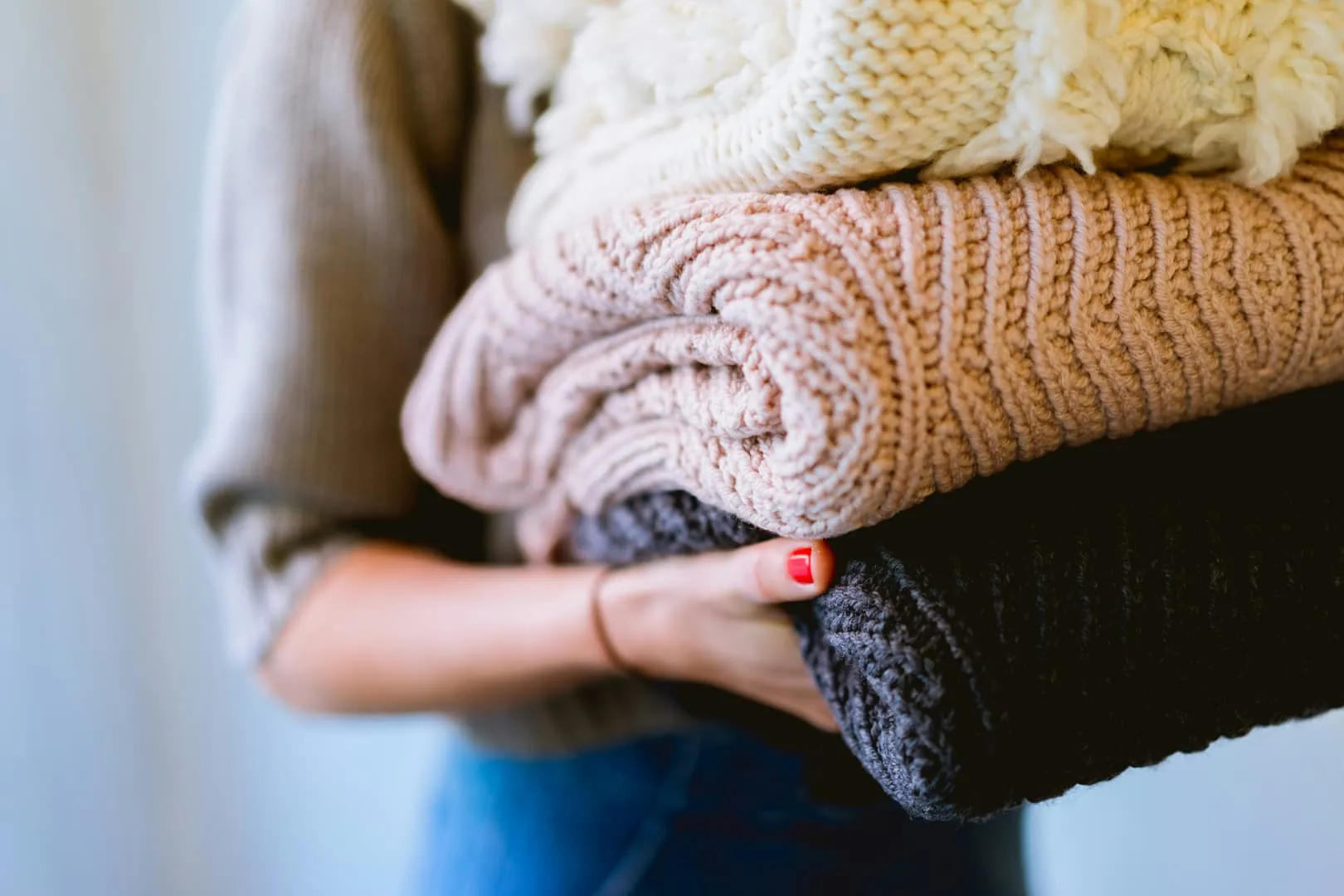
- layered textiles such as rugs, throws and cushions that increase perceived warmth;
- smart thermostats and connected valves that allow precise night-time or room-by-room adjustments.
These low-cost habits align with Europe’s broader insulation-first strategy, described in Europe’s insulation gap 2026 and Europe’s 2026 eco-renovation wave. The pattern is clear: better envelopes, smarter controls and more mindful routines all work together to keep comfort high and bills manageable.
5. Slow Winter rituals: grounded, calming and human
Rituals are at the heart of Slow Winter. They slow the mind, warm the body and create anchor points in the day. Rather than grand resolutions, they are small gestures repeated regularly.
Popular Slow Winter rituals across Europe include:
- evening herbal tea with a simple wind-down routine instead of scrolling on the sofa;
- daily winter journaling to track mood, energy and gratitude;
- 10-minute dusk walks, which several studies associate with lower anxiety levels;
- reading corners with warm lighting and blankets;
- fireplace evenings, or electric fireplace ambience for apartment dwellers;
- analogue hobbies such as knitting, puzzles or sketching.
These rituals turn winter from something to endure into a season to enjoy. They also support nervous system regulation, making it easier to sleep well and cope with everyday stress. For more ideas on stress-friendly routines, see Reducing stress with green routines and Slow living for deeper connection.
6. Slow Winter food: warming, seasonal and sustainable
Food is a central part of the Slow Winter Movement. The goal is to cook dishes that are comforting, affordable and climate-conscious.
Typical Slow Winter dishes include:
- vegetable stews with pumpkin, lentils, carrots and beans;
- roasted root vegetables with herbs and olive oil;
- herbal broths and soups that support immunity;
- fresh baked bread, from sourdough to simple no-knead loaves;
- winter grains such as barley and buckwheat;
- baked apples with cinnamon and nuts.
The focus is on seasonality, reducing food waste and supporting regional farmers — all themes we explore in cutting food waste, seasonal soups from autumn harvests and seasonal organic baskets in Europe. Slow Winter eating is less about strict rules and more about building a repertoire of simple, warming recipes you can rotate all winter.
7. Slow Winter and mental wellbeing
Winter depression affects millions of Europeans each year, especially in regions with short days and long commutes in the dark. Slow Winter offers a framework to protect mental health in this context.
Core strategies include:
- circadian-friendly routines with morning light exposure (natural light where possible, or daylight lamps when needed);
- reduced screen time in the late evening to avoid blue-light sleep disruption;
- daily micro-rituals such as breathing exercises, journaling or stretching;
- social warmth through board games, shared meals or baking with friends;
- realistic planning of workloads to avoid burnout peaks in January and February.
Combined with nourishing food and moderate movement, these habits support mood, sleep quality and immune function. For more on mind-body balance as seasons change, see Autumn immunity tips and Boosting energy naturally in autumn.
8. Fashion trends: slow, warm and durable
Fast winter fashion is increasingly out of step with both budgets and climate goals. Slow Winter clothing focuses on durability, warmth and versatility.
Key trends include:
- long-lasting coats with recycled or responsibly sourced insulation;
- quality wool knits that can be mended and worn for years;
- neutral-toned scarves, hats and gloves that pair with many outfits;
- thermal base layers for home comfort at lower room temperatures;
- merino wool loungewear and padded gilets for layering around the house.
These choices do not only look stylish; they help reduce heating needs, because a well-layered person can feel comfortable at 19–20 °C instead of 22–23 °C. For a broader view of clothing and sustainability, you can revisit sustainable fashion in 2025.
9. The Slow Winter social shift: community and connection
Slow Winter is not only about what happens inside one flat; it is also about how communities show up for each other. Across Europe, more people are choosing:
- local markets instead of distant hypermarkets;
- DIY workshops where neighbours share skills (knitting, repairs, cooking);
- community book exchanges or small libraries in buildings;
- winter charity events that support vulnerable households facing high bills.
These activities increase happiness, reduce winter loneliness and strengthen local resilience during periods of energy or economic stress. They connect naturally with greener mobility habits and shorter, more meaningful trips, themes we address in greener travel habits 2025.
10. How to build your own Slow Winter routine (step-by-step)
If you want to try Slow Winter yourself, start with a simple structure. You can adapt it to your schedule and energy levels.
Morning:
- open blinds or curtains as soon as you wake up;
- have a warm breakfast such as porridge or eggs;
- get 10–20 minutes of daylight exposure outside or by a bright window.
Afternoon:
- schedule a short walk, even if it is only around the block;
- make your workspace warm but not overheated, adjusting clothing layers first;
- switch to herbal teas or water instead of strong caffeine late in the day.
Evening:
- dim lights one hour before bed and use warm, low-intensity bulbs;
- choose reading, crafts or board games instead of doomscrolling;
- switch off screens 45 minutes before sleep;
- enjoy a warming drink such as chai, herbal tea or spiced cocoa.
This structure is psychologically stabilising and works well with low-energy living. For more inspiration around gentle morning habits, see Slow mornings for greener days.
11. How Slow Winter connects to Europe’s renovation trends
Slow Winter sits perfectly alongside Europe’s eco-renovation agenda. On paper, renovation policies talk about insulation, heat pumps and new energy classes. In daily life, Slow Winter turns those technical goals into lived experience.
Typical overlaps include:
- insulation-first home upgrades that reduce heating needs;
- adoption of efficient heat pumps or hybrid systems;
- smarter heating schedules and zoning techniques;
- better windows, doors and shutters that keep warmth inside;
- interest in renovation passports and long-term plans.
If you are considering renovation in the next few years, Slow Winter is an excellent rehearsal: it allows you to test what kind of comfort you really need, which rooms you use most and how your family responds to different temperatures. For the bigger picture, you can connect this section with Eco renovation 2026 in Europe, EU renovation passport 2026 and Europe’s 2026 eco-renovation wave.
12. What not to do this winter
Slow Winter is also about avoiding habits that quietly damage comfort, health or the planet. Common pitfalls to watch for include:
- overheated rooms that dry the air, increase bills and make sleep more difficult;
- harsh overhead lighting late at night, which signals wakefulness to the brain;
- high-plastic holiday décor that breaks quickly and creates long-lived waste;
- heavy reliance on scented candles made with paraffin or questionable fragrances;
- excessive evening screen time that undermines the Slow Winter mindset.
Gently replacing these habits with lower-energy, lower-stress alternatives is one of the simplest ways to feel the benefits of Slow Winter. For practical guidance, you can revisit Winter 2025: stay warm, waste less and Winter heating hacks without renovation.
13. How Slow Winter reduces environmental impact
Slow Winter is a quiet but powerful sustainability upgrade. By adjusting routines, homes and wardrobes, households can reduce their footprint without dramatic sacrifices.
Main environmental benefits include:
- lower heating needs thanks to better insulation, zoning and layering;
- fewer impulse purchases and trend-based decorations;
- more local, seasonal and plant-forward food;
- longer-lasting winter clothing and accessories;
- reduced digital overstimulation, which often lowers power use across devices.
These changes complement more visible eco-actions such as recycling or switching suppliers, explored in reuse before recycle, single-use plastic in Europe 2025 and greener travel habits 2025.
14. Why Slow Winter is here to stay
Some seasonal trends appear on social media for one year and disappear. Slow Winter is different. It responds to structural forces that will shape European life for the rest of the decade: energy prices, climate shifts, hybrid work and a growing appetite for calmer living.
Slow Winter is likely to last because it:
- supports EU energy and climate goals;
- reduces household costs without demanding extreme sacrifices;
- boosts wellbeing and mental health during a challenging season;
- fits hybrid and remote work lifestyles;
- nurtures a culture of slower, more meaningful living.
In other words, Slow Winter is not about doing less; it is about doing what matters most, with more intention and less waste. It continues the story started in our pieces on slow living and deeper connection and adapting to changing weather in 2025.
Frequently Asked Questions
Is Slow Winter the same as hygge?
Not exactly. Hygge is a Danish concept focused on cosy moments. Slow Winter is broader: it integrates energy-conscious living, mental wellbeing, low-waste habits and slower routines for the whole season.
Can I practise Slow Winter in a small apartment?
Absolutely. Small spaces are ideal for slow, cosy setups: layered textiles, warm lighting, reading corners and low-energy rituals. Even a studio can host a Slow Winter routine.
Does Slow Winter mean living frugally?
No. It means living intentionally — choosing fewer, higher-quality items, reducing waste and creating meaningful routines instead of constantly buying new things.
How can Slow Winter help reduce my energy bill?
Techniques like zoning, thermal curtains, smart thermostats, warm textiles and low-intensity lighting all reduce energy use without sacrificing comfort. Combined with simple habits from Winter 2025: stay warm, waste less, the effect can be significant.
What foods support the Slow Winter lifestyle?
Seasonal vegetables, broths, grains, roasted dishes, warm spices and local produce fit the movement perfectly. For recipe ideas, see our guides on seasonal soups and budget-friendly autumn meals.
Conclusion: The Slow Winter Movement is more than a seasonal trend. It is a gentle cultural shift shaped by Europe’s energy reality, wellness needs and the desire for more meaningful living. As temperatures fall and nights grow longer, Slow Winter offers a blueprint for comfort without excess, presence without pressure and warmth without waste. Whether through cosy rituals, energy-smart habits, seasonal foods or slow evenings with loved ones, the movement invites us to embrace winter as a season of grounding, restoration and thoughtful living. In 2025–2026, Slow Winter is not about doing less — it is about doing what matters most.
About the author:
Julien Maurice is the founder of AdminLanding and writes the editorial guides on GreenDailyFix covering French renovation aid, energy policy, and the administrative side of the energy transition. Contact: [email protected]
Related posts
Most People Aren’t Failing at Sustainable Living — They’re Just Optimising the Wrong Things
If sustainable living feels harder than it should, there’s a reason — and it has nothing to do with laziness or lack of care. In 2026, many people aren’t doing too little for the planet. They’re simply spending their energy on choices that barely move the needle.
If You Want to Live More Sustainably in 2026, Stop Doing More — Start Choosing What to Ignore
After years of advice telling us to optimise everything, many people reach the same conclusion: sustainable living feels like constant self-surveillance. In 2026, the most effective green shift is not about adding new rules, but about consciously deciding what no longer deserves your energy.
Why Sustainable Living Feels Exhausting - And How to Build a Green Life You Can Actually Maintain
Many people do not quit sustainable living because they do not care. They quit because it is exhausting. Too many rules. Too many contradictions. Too much pressure to do everything right, all the time. In 2026, this quiet fatigue has a name - and it is one of the biggest obstacles to real environmental progress.
Your Laundry Might Be Polluting More Than Your Car: The Microplastic Problem at Home
Every time you wash your clothes, thousands of microscopic plastic fibres are released into water systems. In 2026, scientists agree: laundry is one of the largest sources of microplastic pollution — and it happens quietly, at home.