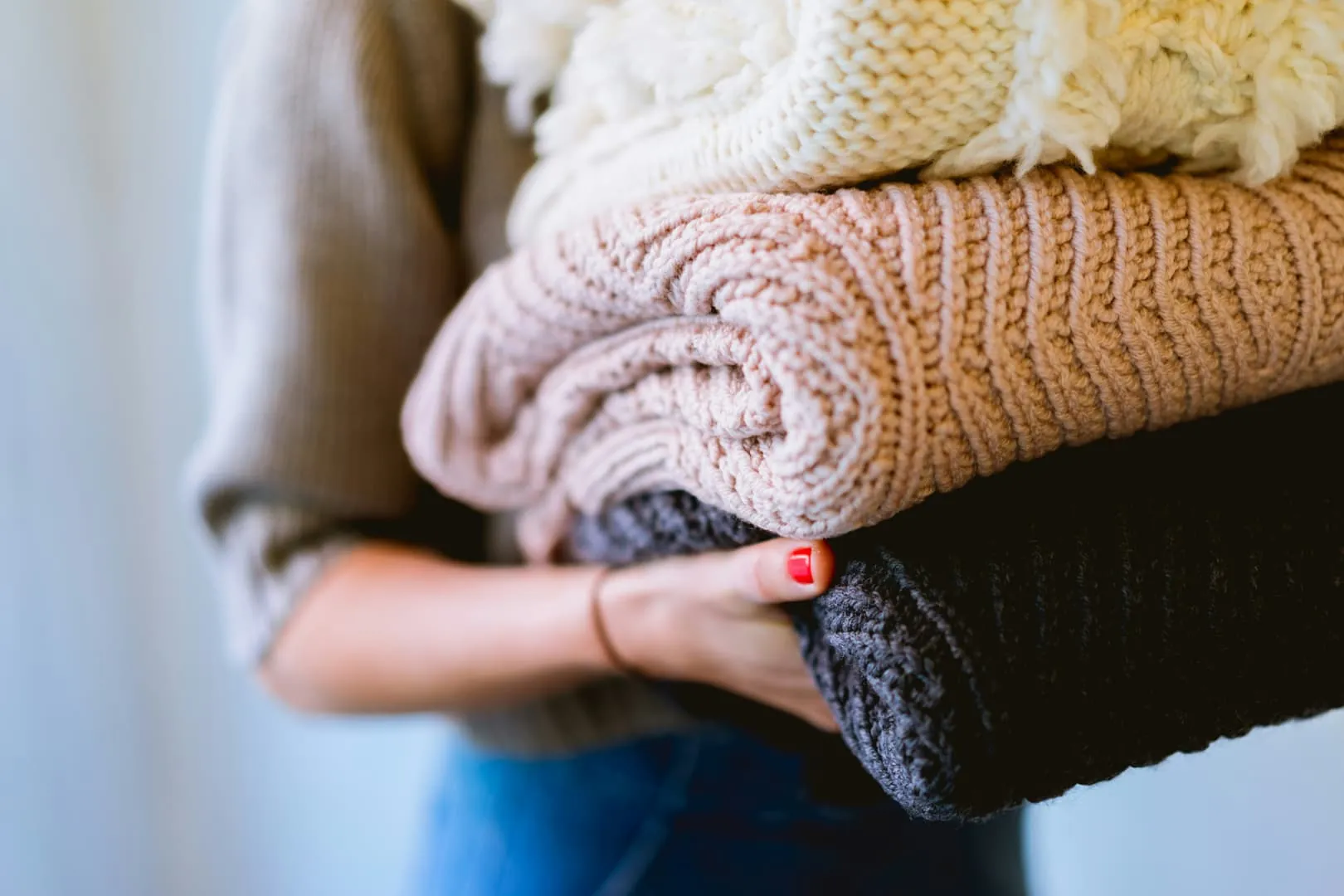
Your Laundry Might Be Polluting More Than Your Car: The Microplastic Problem at Home
Every time you wash your clothes, thousands of microscopic plastic fibres are released into water systems. In 2026, scientists agree: laundry is one of the largest sources of microplastic pollution — and it happens quietly, at home.
1. Why laundry is a hidden microplastic hotspot
Synthetic fabrics like polyester, nylon and acrylic now dominate wardrobes in Europe. They are warm, cheap, quick-drying — and made from plastic. Each wash cycle rubs and twists these fibres, breaking off tiny fragments invisible to the naked eye.
Unlike a plastic bottle or bag, microplastics do not look like waste. There is no overflowing bin, no strong smell, no obvious pollution. The machine finishes its cycle, clothes smell clean, and the problem continues out of sight.
Our guide to single-use plastic in Europe explains how visible plastics are being regulated and replaced. Laundry is different: the pollution leaves our homes mixed with water, not in a bin.
2. What happens to microfibres after they leave your machine
Once released, microfibres follow the water path: from the washing machine to wastewater pipes, then to treatment plants. Some fibres are captured, but not all. A fraction passes through into rivers, lakes and coastal waters, where it accumulates in sediments and enters food chains. Another fraction can end up in sewage sludge, later spread on agricultural soils.
Because they are so small, these particles are difficult and expensive to remove once they are in the environment. They can carry chemical additives and pollutants, and have been detected in air, water, soil and even human lungs.
This makes prevention at home especially powerful. Small changes in how we wash — rather than dramatic lifestyle overhauls — can reduce the amount of plastic leaving our bathrooms and laundry rooms every week.
3. Smarter washing habits that cut microplastics at the source
The good news is that impact depends more on how we wash than on what we own. Research shows that a few practical habits can dramatically cut fibre release:
- Wash less often. Ask if a garment is truly dirty or simply worn once. Airing clothes between uses reduces laundry frequency.
- Use colder, gentler cycles. Lower temperatures and delicate programmes reduce friction and fibre breakage — and save energy at the same time.
- Fill the drum properly. Very small loads make clothes rub too much; overfilled drums stress fabrics. Aim for a comfortably full machine.
- Avoid long, aggressive cycles for synthetics. Reserve intensive programmes for heavily soiled textiles and favour shorter cycles for everyday wear.
- Use a good-quality, low-foam detergent. Excess foam can increase friction and fibre release.
For more ideas on combining comfort, savings and environmental impact, you can pair these tips with our eco-laundry routine and winter energy-saving habits.
4. Filters, laundry bags and wardrobe choices — without guilt
Beyond habits, there are technical and wardrobe choices that help without demanding a full closet reset:
- Install, when possible, a microfibre filter on the washing machine outlet or choose machines that include one by design.
- Use laundry bags or balls designed to capture fibres inside the drum before they reach wastewater.
- Prioritise durable, tightly woven fabrics that shed less, whether synthetic or natural.
- When buying new, check labels and consider gradually shifting towards blends and natural fibres where they make sense.
Sustainability here is not about throwing away all your sportswear or fleece. It is about extending garment life, repairing when possible, and reserving synthetics for uses where they are truly needed. Our guides on sustainable fashion and low-impact winter clothing explore how to build a wardrobe that works with, not against, the planet.
Frequently Asked Questions
Do natural fabrics release microplastics?
No. Natural fibres like cotton, linen or wool do not release plastic, but they have other environmental trade-offs such as water use, pesticides or land impact. Choosing quality and wearing garments longer remains essential.
Do laundry filters really work?
They help capture a significant share of fibres, especially when combined with gentler wash cycles and fuller loads. However, habits still matter more than any single device.
Is hand-washing always better than machine washing?
Not necessarily. Vigorous hand-washing can also damage fibres, and using very hot water increases energy use. A modern, efficient machine on a gentle, cold cycle is often a good compromise.
Conclusion: The biggest pollution sources are not always industrial. In 2026, sustainability starts with recognising the hidden impact of everyday routines — including laundry — and adjusting them step by step.
About the author:
Julien Maurice is the founder of AdminLanding and writes the editorial guides on GreenDailyFix covering French renovation aid, energy policy, and the administrative side of the energy transition. Contact: [email protected]
Related posts
Most People Aren’t Failing at Sustainable Living — They’re Just Optimising the Wrong Things
If sustainable living feels harder than it should, there’s a reason — and it has nothing to do with laziness or lack of care. In 2026, many people aren’t doing too little for the planet. They’re simply spending their energy on choices that barely move the needle.
If You Want to Live More Sustainably in 2026, Stop Doing More — Start Choosing What to Ignore
After years of advice telling us to optimise everything, many people reach the same conclusion: sustainable living feels like constant self-surveillance. In 2026, the most effective green shift is not about adding new rules, but about consciously deciding what no longer deserves your energy.

Why Sustainable Living Feels Exhausting - And How to Build a Green Life You Can Actually Maintain
Many people do not quit sustainable living because they do not care. They quit because it is exhausting. Too many rules. Too many contradictions. Too much pressure to do everything right, all the time. In 2026, this quiet fatigue has a name - and it is one of the biggest obstacles to real environmental progress.

Climate-Smart Cooking: How Europeans Are Reducing Their Food Footprint Without Changing What They Eat
Most people believe sustainable eating starts at the supermarket. In reality, it often starts in the kitchen. In 2026, Europeans are discovering that how they cook matters as much as what they buy. This is the quiet revolution happening in millions of households: same ingredients, smarter methods, dramatically lower impact.