Moving smarter: bike, carpool, train — greener travel habits for 2025
Mobility is changing fast. With fuel prices rising and awareness growing, Europeans are reinventing daily travel. Fewer cars, more sharing, more trains: here's how to move smarter, cheaper, and cleaner in 2025.
1. The bike comeback
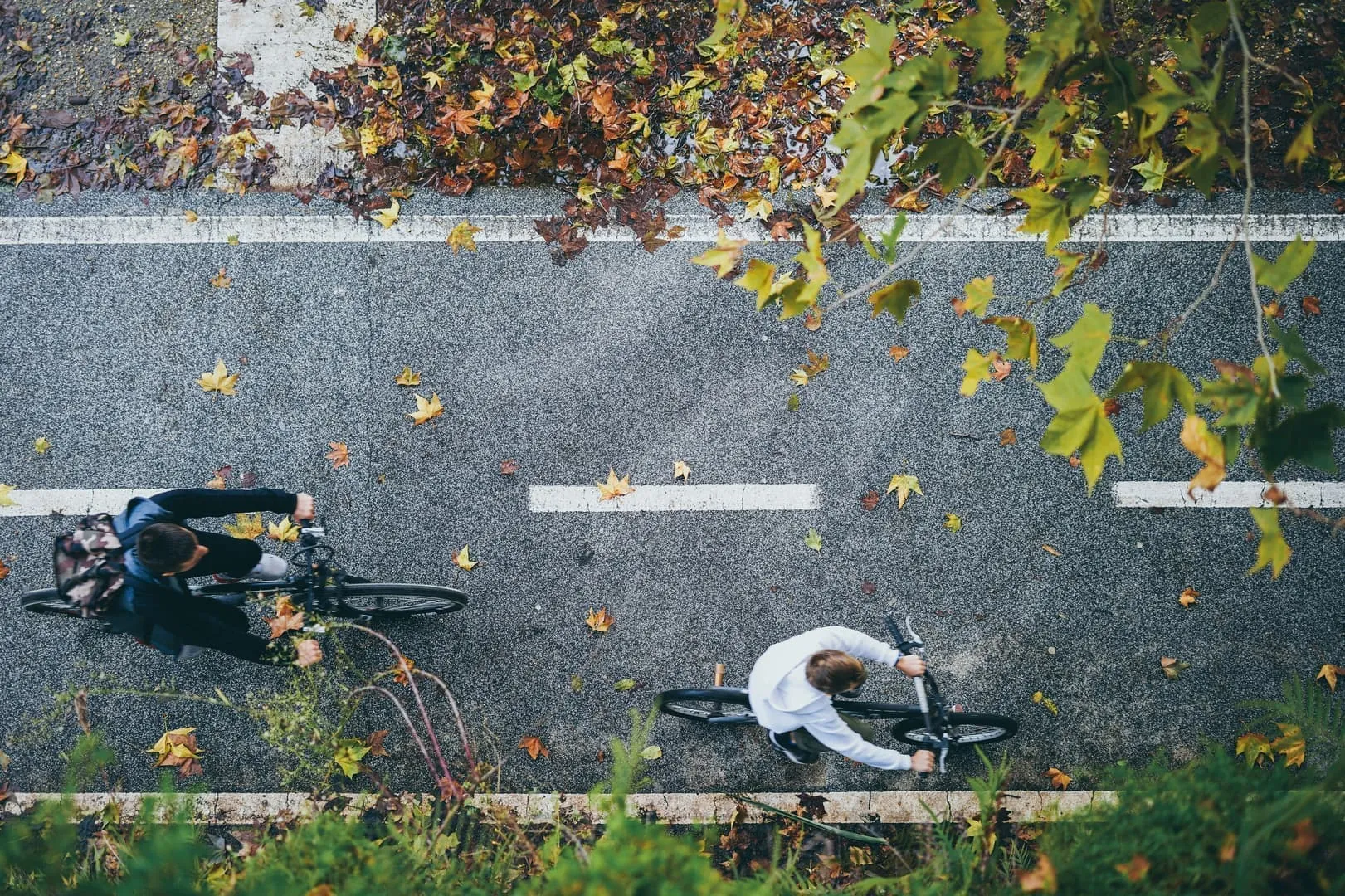
Cycling lanes have doubled across European capitals. In Paris, Amsterdam, Milan — 70% of trips under 5 km are now by bike. Cities invest in secure parking, bike-sharing networks, and dedicated lanes. With e-bikes becoming affordable, even hilly commutes are now feasible. It's faster than driving in traffic, healthier, and costs almost nothing. For tips on cycling safely through autumn weather, check our guide on cycling through autumn.
2. Smarter carpooling
Apps like BlaBlaCar Daily or Karos reward regular drivers. A shared commute saves roughly 1 ton of CO₂ per year. Carpooling lanes in major cities now offer faster routes, making it practical as well as ecological. Many companies also incentivize employees who share rides, with bonuses or priority parking spots.
3. Regional train revival
Old lines reopen with youth and senior discounts. Slow travel returns: less stress, more scenery. Regional trains connect suburbs to city centers efficiently. Night trains across Europe are back, making long-distance trips car-free and affordable. Train subscriptions like Interrail now target commuters, not just tourists.
4. Sustainable mobility bonuses
France offers up to €800 for e-bikes. Belgium and Germany give carpool or combo pass subsidies. Many regions now provide financial support for ditching second cars. These bonuses make green mobility accessible to all income levels, not just early adopters. Check your local government website for current programs.
5. Remote work = clean miles
Two telework days per week save 500 kg CO₂ yearly. It's the simplest form of sustainable mobility: not traveling at all when unnecessary. Flexible work policies reduce peak-hour congestion and improve quality of life. Many workers report better productivity and mental health with fewer commutes. For ways to reduce stress while working from home, read our article on reducing stress through green routines.
People also ask
What's the best car alternative?
Bike for short trips under 5 km, train for long distances. Carpooling works well for regular commutes where public transport is limited.
How to calculate transport footprint?
Use the EcoMobility or ADEME online tool. They account for vehicle type, distance, and occupancy to give accurate CO₂ estimates.
Is carpooling really profitable?
Yes, up to 50% cost reduction. Fuel, tolls, and parking are shared. Plus many countries now offer tax breaks or bonuses for regular carpoolers.
Conclusion: Changing how we move changes how we live. Every shared trip, every pedal stroke brings us closer to a slower, freer, more sustainable daily life. The best mobility solution isn't always the fastest — it's the one that fits your needs while respecting the planet.
Frequently asked questions
What's the best car alternative?
Bike for short trips under 5 km, train for long distances. Carpooling works well for regular commutes where public transport is limited.
How to calculate transport footprint?
Use the EcoMobility or ADEME online tool. They account for vehicle type, distance, and occupancy to give accurate CO₂ estimates.
Is carpooling really profitable?
Yes, up to 50% cost reduction. Fuel, tolls, and parking are shared. Plus many countries now offer tax breaks or bonuses for regular carpoolers.
About the author:
Julien Maurice is the founder of AdminLanding and writes the editorial guides on GreenDailyFix covering French renovation aid, energy policy, and the administrative side of the energy transition. Contact: [email protected]
Related posts
Most People Aren’t Failing at Sustainable Living — They’re Just Optimising the Wrong Things
If sustainable living feels harder than it should, there’s a reason — and it has nothing to do with laziness or lack of care. In 2026, many people aren’t doing too little for the planet. They’re simply spending their energy on choices that barely move the needle.
If You Want to Live More Sustainably in 2026, Stop Doing More — Start Choosing What to Ignore
After years of advice telling us to optimise everything, many people reach the same conclusion: sustainable living feels like constant self-surveillance. In 2026, the most effective green shift is not about adding new rules, but about consciously deciding what no longer deserves your energy.

Why Sustainable Living Feels Exhausting - And How to Build a Green Life You Can Actually Maintain
Many people do not quit sustainable living because they do not care. They quit because it is exhausting. Too many rules. Too many contradictions. Too much pressure to do everything right, all the time. In 2026, this quiet fatigue has a name - and it is one of the biggest obstacles to real environmental progress.

Your Laundry Might Be Polluting More Than Your Car: The Microplastic Problem at Home
Every time you wash your clothes, thousands of microscopic plastic fibres are released into water systems. In 2026, scientists agree: laundry is one of the largest sources of microplastic pollution — and it happens quietly, at home.