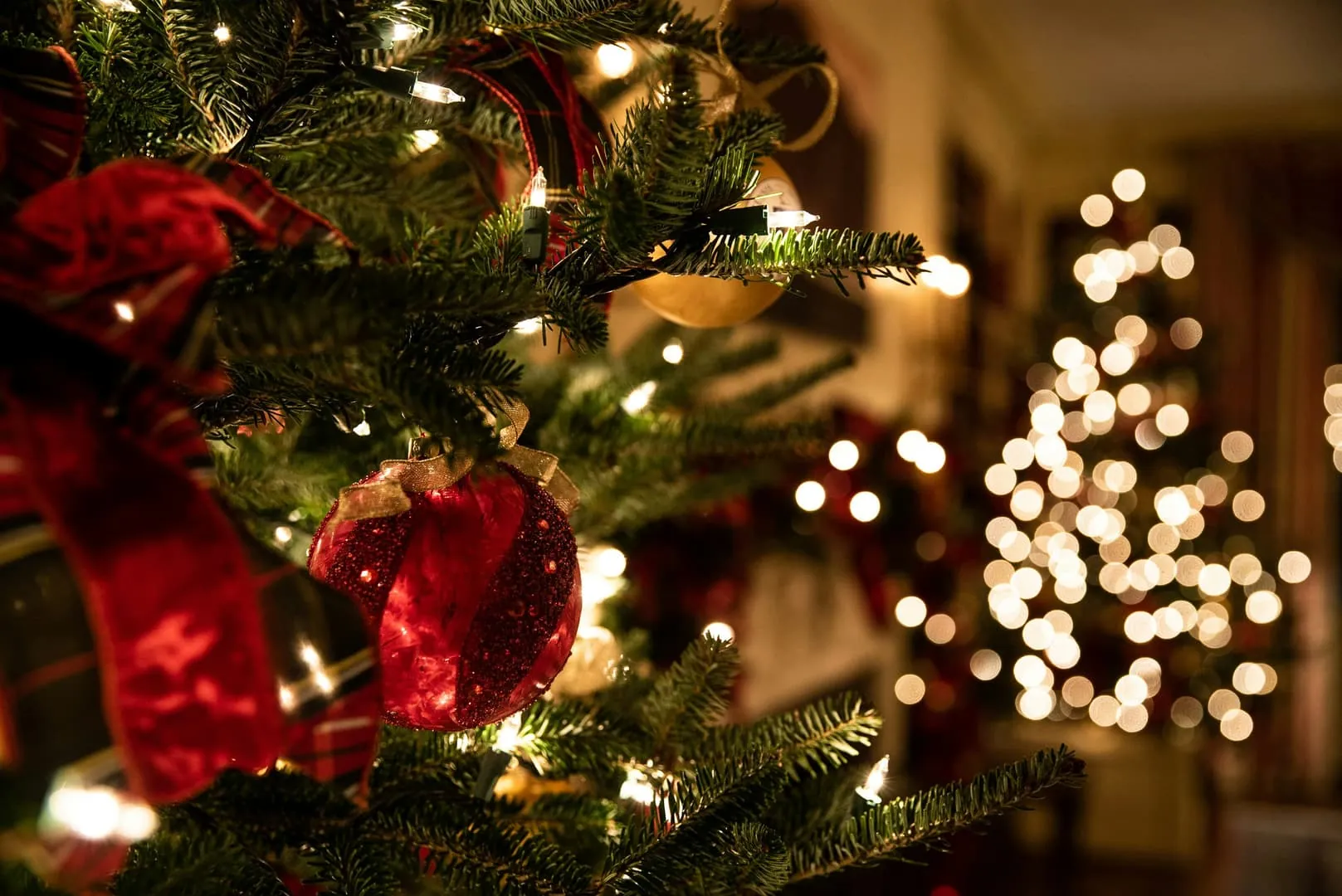
Low-Energy, Low-Waste Christmas Lights & Decorations 2025: How to Keep the Magic Without the Bill Shock
Christmas lights and decorations have always symbolised warmth, celebration and comfort — especially in colder European winters. But in 2025, households are more aware than ever of energy bills, carbon footprints and the environmental cost of throwaway décor. The question isn’t whether you should decorate. It’s how to decorate in a way that feels magical, sustainable, efficient and affordable. This guide explores the best low-energy lighting solutions, smart timers, reusable decorations, natural materials and modern alternatives that help you create festive beauty without waste or guilt. Whether you prefer minimalist Nordic style, cosy alpine vibes or full 'home alone' bright lights, this is your complete 2025 blueprint for a greener Christmas.
1. Why Christmas lighting in 2025 matters more than ever
Rising winter energy prices across Europe — with many providers increasing tariffs compared to 2024 — make efficient lighting a real priority for households. At the same time, the environmental cost of single-use plastic decorations is clearer than ever. Each year, millions of short-lived ornaments, broken light strings and disposable gadgets end up in landfill after just one or two seasons. A more conscious approach isn’t about sacrificing joy; it is about choosing better, longer-lasting options.
Globally, households are shifting to LED micro-lights, smart timers and reusable natural décor — trends perfectly aligned with GreenDailyFix’s mission of low-impact living. And with winter 2025–2026 energy pressure highlighted in our article on Europe’s winter energy crunch 2025–2026, efficient festive lighting is not only sustainable but simply smart.
2. LED vs. older lights: the savings are bigger than you think
| Light type | Example length | Approximate energy use (per 100 hours) |
|---|---|---|
| Incandescent string | 200 bulbs | ~600–700 Wh |
| Standard LED string (circa 2018) | 200 LEDs | ~60–80 Wh |
| Modern micro-LED (2024–2025) | 200 LEDs | ~18–25 Wh |
3. Smart plugs and timers: invisible savings that add up
Even if your lights are efficient, leaving them on for hours after you fall asleep still wastes energy. Smart plugs (Wi‑Fi or Bluetooth) or simple analogue timers offer an easy fix. They allow you to:
- schedule lighting automatically;
- synchronise lights with sunset;
- use 'holiday mode' for security when you are away;
- track approximate energy use on some connected models.
Analogue timers also work well and often cost under €10. What matters most is consistency.
A sensible schedule for 2025 could be:
- 17:00–22:30 for indoor lights;
- 17:00–21:30 for outdoor façades;
- lights off by midnight to respect neighbours and reduce light pollution.
Timers also extend the lifespan of your decorations by avoiding unnecessary hours of operation. If you already use connected heating, our guide on smart thermostats in 2025 explains how to align comfort, savings and digital tools.
4. Eco-friendly outdoor lighting: brighter design, lighter footprint
Outdoor displays can consume far more energy than indoor setups. The good news: small design changes radically reduce consumption while actually looking more intentional.
4.1. Use low-voltage (5 V or 12 V) LED strings Modern low-voltage sets give excellent brightness with minimal consumption and very good safety, especially in damp conditions. They are ideal for balconies, façades and garden railings.
4.2. Choose directional lighting Light what you want to see, not half the neighbourhood. For example:
- spotlighting a single tree;
- tracing light around windows;
- outlining eaves or doorframes.
This can use far fewer bulbs than saturating the whole garden.
4.3. Consider solar LEDs — but check quality carefully Solar strings have improved significantly since the early 2020s. High-quality models can now stay lit 6–8 hours after a sunny winter day. They work particularly well on south-facing balconies or fences. In cloudy climates, look for models with efficient panels and battery indicators.
4.4. Avoid inflatable decorations that require constant fans Large inflatable characters may look fun but usually need a fan running continuously, using much more energy than LED lights alone. A few well-placed light features almost always look calmer — and greener — than noisy inflatables.
For more ideas on creating cosy light without waste, see also Autumn lighting: cosy evenings with less energy.
5. Sustainable Christmas tree decorations
A beautiful tree does not need to be covered in glittery plastic. The 2025 trend is clear: natural, textured, reusable materials are in — and they age far better than cheap plastic baubles.
5.1. Natural materials
- dried oranges, cinnamon sticks and star anise;
- wooden ornaments from local markets;
- paper snowflakes (especially when layered in different sizes);
- woven straw or rattan ornaments.
These details bring a Nordic, timeless warmth to your home and can be composted or recycled more easily at end of life.
5.2. Reusable decorations Instead of fragile baubles that crack in storage, invest in:
- clay or ceramic ornaments;
- high-quality glass made by artisans;
- fabric decorations such as cotton or linen stars.
Yes, the upfront cost is higher. But reused over a decade, these pieces generate very little waste.
5.3. Upcycled materials
- pages from damaged books or magazines;
- fabric offcuts from sewing projects;
- reclaimed wood pieces or branches.
Upcycling gives your décor a story and makes your tree unique. To extend low-waste habits beyond the living room, combine these ideas with cutting food waste and zero-waste autumn cooking.
6. Wrapping your home with green style (indoors and outdoors)
Decorating sustainably is not just about individual objects but the overall strategy you choose for your home.
6.1. Pick one clear visual theme A cohesive theme feels luxurious and helps you avoid impulse purchases. For example:
- 'Nordic forest': green, wood, white, natural textures;
- 'Vintage gold': warm tones, LED candles, brass accents;
- 'Frosted minimalism': white, silver, glass and clean lines.
Choosing a theme encourages you to buy fewer, better items.
6.2. Prioritise multi-purpose items Look for décor that can also serve as:
- winter décor through January;
- reusable pieces for other celebrations;
- year-round home accents (lanterns, wooden bowls, quality candle holders).
6.3. Mix ambient lighting with focal lighting Use soft lights on shelves, behind plants or under cabinets to create a winter glow without multiplying bright focal points. A single garland in the right place can sometimes replace several small lamps.
7. Low-waste gift wrapping and table settings
Gift wrapping often creates more waste than the gifts themselves. In 2025, more and more households are choosing:
- fabric wraps inspired by Japanese furoshiki;
- kraft paper with reusable ribbons or twine;
- natural embellishments like pinecones, rosemary or eucalyptus;
- blanket-wrap hampers using a throw or scarf instead of boxes.
Table settings can stay green with:
- cloth napkins instead of disposable ones;
- beeswax or LED candles instead of paraffin tea-lights;
- centrepieces using dried flowers and foraged branches;
- ceramic reusable place tags or small wooden clips.
For more low-waste inspiration around the table, explore zero-waste autumn cooking and budget-friendly autumn meals.
8. How to store decorations to reduce waste next year
Most Christmas waste happens not in December but in January, when tangled lights, cracked ornaments and damp cardboard boxes go straight to the bin. A few storage habits can easily extend the life of your décor to 5–10 years or more.
Simple habits that make a big difference:
- use rigid boxes (cardboard, wood or sturdy plastic crates);
- wrap lights around flat cardboard reels or spare hangers;
- store delicate ornaments in egg cartons or moulded trays;
- keep silica gel packets inside boxes to absorb moisture;
- label each box clearly ('Tree lights', 'Table décor', 'Outdoor façade').
A well-organised box means less breakage, less frustration and far fewer emergency purchases next November.
9. The emotional case for less waste
Sustainable Christmas décor is not about deprivation; it is about meaning. A home lit softly with warm LEDs, decorated with natural textures and reused pieces, often feels more peaceful and intentional than a house overloaded with plastic.
This shift mirrors a wider movement toward mindful living and comfortable, efficient homes — themes we explore in our pieces on EU eco-renovation and winter bills, autumn home energy and slow, intentional living. In all of them, the message is similar: fewer but better choices usually bring more calm and comfort than constant upgrades.
10. Sample low-energy Christmas setup for a small apartment
Need something concrete? Here is an example of a simple, low-energy setup for a small flat.
Eco tree: a real potted pine you can keep on the balcony after the holidays, or a recycled-material artificial tree kept for many years.
Lights: one warm-white micro-LED string (around 2–3 W).
Décor: dried fruit, wooden ornaments, paper stars, a few pieces of fabric bunting.
Extras: candle-style LEDs on a sideboard (around 1 W in total).
Even with conservative electricity prices, this setup typically costs well under €2–3 in electricity for the whole month of December in many European markets — far less than a takeaway meal and with a much warmer long-term payoff.
Frequently Asked Questions
Do LED Christmas lights really save money?
Yes. Modern micro-LED strings usually use around 90–97% less energy than old incandescent lights for the same brightness, and in many European markets they cost only a few euros to run for an entire month.
Are solar Christmas lights reliable in winter?
They can be, but only for recent high-efficiency models with good panels and batteries. In sunny conditions, quality solar strings often stay lit for 6–8 hours after dark. In cloudy climates they may run for fewer hours, so combine them with a small number of plug-in LEDs if you want guaranteed evening light.
How can I reduce waste with decorations?
Choose long-lasting materials like wood, fabric, clay or thick paper; avoid plastic glitter where possible; store items carefully in rigid boxes; and buy fewer, higher-quality pieces you are happy to reuse every year.
Should I leave outdoor lights on all night?
No. For most homes, it is better to switch outdoor lights off by 21:30–22:30. You still enjoy the early evening atmosphere while reducing energy use and limiting light pollution for neighbours and local wildlife.
Is a real or artificial Christmas tree more eco-friendly?
Both can be sustainable in the right conditions. Real potted trees reused year after year or trees from certified local growers are an excellent option. Artificial trees have a higher production footprint but can be reasonable if you keep them for at least 8–12 years and store them carefully.
Conclusion: Low-energy and low-waste Christmas décor is not just a trend; it is how more households across Europe are embracing winter in a conscious, budget-friendly way. With LED micro-lights, smart timers, natural materials and thoughtful storage habits, you can enjoy a warm, magical atmosphere without overspending or creating unnecessary waste. The beauty of this approach is that it enhances — not diminishes — the festive spirit: fewer but better decorations, soft warm lighting, cosy textures and intentional choices that make your home feel calm, elegant and ready for the season. Christmas joy is not measured in watts or plastic; it is measured in moments. And choosing sustainable décor helps those moments come with clarity, comfort and care for the planet.
About the author:
Julien Maurice is the founder of AdminLanding and writes the editorial guides on GreenDailyFix covering French renovation aid, energy policy, and the administrative side of the energy transition. Contact: [email protected]
Related posts
Most People Aren’t Failing at Sustainable Living — They’re Just Optimising the Wrong Things
If sustainable living feels harder than it should, there’s a reason — and it has nothing to do with laziness or lack of care. In 2026, many people aren’t doing too little for the planet. They’re simply spending their energy on choices that barely move the needle.
If You Want to Live More Sustainably in 2026, Stop Doing More — Start Choosing What to Ignore
After years of advice telling us to optimise everything, many people reach the same conclusion: sustainable living feels like constant self-surveillance. In 2026, the most effective green shift is not about adding new rules, but about consciously deciding what no longer deserves your energy.
Why Sustainable Living Feels Exhausting - And How to Build a Green Life You Can Actually Maintain
Many people do not quit sustainable living because they do not care. They quit because it is exhausting. Too many rules. Too many contradictions. Too much pressure to do everything right, all the time. In 2026, this quiet fatigue has a name - and it is one of the biggest obstacles to real environmental progress.

Your Laundry Might Be Polluting More Than Your Car: The Microplastic Problem at Home
Every time you wash your clothes, thousands of microscopic plastic fibres are released into water systems. In 2026, scientists agree: laundry is one of the largest sources of microplastic pollution — and it happens quietly, at home.