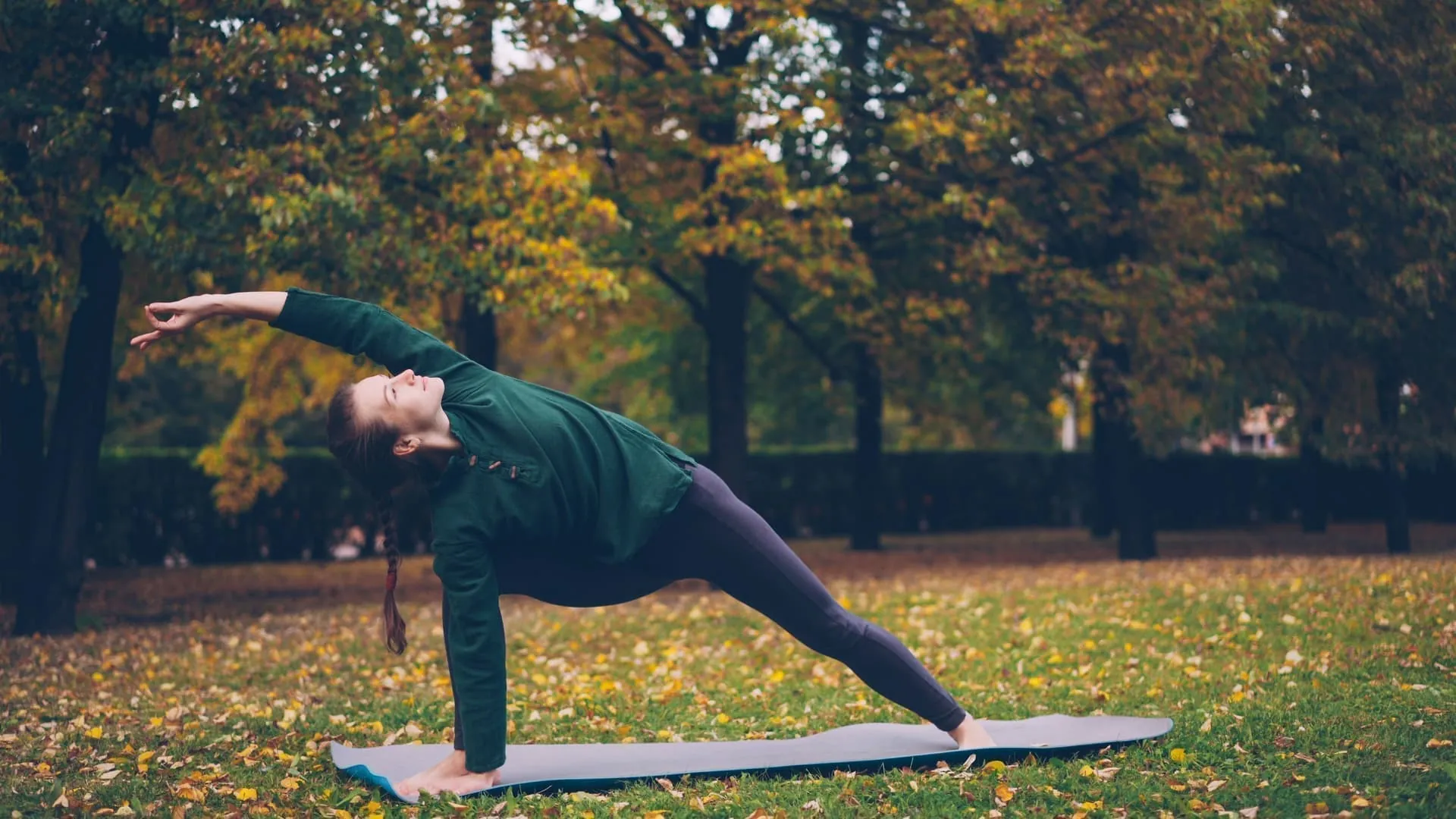
How to Boost Your Energy Naturally This Autumn
As days get shorter, many of us feel an autumn energy dip. Instead of reaching for more caffeine, tweak your habits, meals, and light exposure to restore steady, sustainable energy.
Reclaim morning light
Get outside within 30 minutes of waking (10 minutes is enough). Open curtains fully and work near a window. If mornings are dark, use a 10,000-lux light box for 20–30 minutes. Morning light regulates your internal clock and boosts natural energy. For more on autumn lighting, read our guide to reducing lighting costs.
Eat to beat fatigue
Iron & magnesium: lentils, spinach, pumpkin seeds, oats, bananas, dark chocolate. Slow carbs: whole grains and legume-based soups for steady energy. Seasonal: apples, pears, figs; roasted pumpkin on the side. These nutrient-dense choices fuel your body without the blood sugar crash. Check our seasonal autumn soup recipes for nourishing meal ideas.
Reset your rhythm
Walk or do yoga for 30 minutes daily to boost circulation and mood. Limit screens an hour before bed; read or stretch instead. Keep a consistent bedtime (even on weekends) to stabilize your clock. Sleep quality directly impacts daytime energy. Explore more in our stress reduction routines.
Simple energy rituals
Warm lemon water in the morning. Five minutes of outdoor breathing before work. Set up a mindful "mood corner" (candle, blanket, playlist) to recharge after long days. These small rituals build daily momentum. For more morning inspiration, try our autumn breakfast recipes.
Frequently Asked Questions
Is light therapy safe?
Yes when using a certified 10,000-lux lamp for 20–30 minutes in the morning. If you have eye conditions, check with your doctor first.
What's a good stable-energy breakfast?
Oats with pumpkin seeds and apple/pear compote, or whole-grain toast with almond butter plus a pear.
How many steps per day to feel a difference?
Aim for 6,000–8,000 steps. Consistency matters more than perfection.
Conclusion: Autumn doesn't have to mean low energy. With better light, nourishing meals, and a few simple rituals, you can keep steady energy all season. For more ideas on preparing your home for autumn, visit our decluttering guide.
Frequently asked questions
Is light therapy safe?
Yes when using a certified 10,000-lux lamp for 20–30 minutes in the morning. If you have eye conditions, check with your doctor first.
What's a good stable-energy breakfast?
Oats with pumpkin seeds and apple/pear compote, or whole-grain toast with almond butter plus a pear.
How many steps per day to feel a difference?
Aim for 6,000–8,000 steps. Consistency matters more than perfection.
About the author:
Julien Maurice is the founder of AdminLanding and writes the editorial guides on GreenDailyFix covering French renovation aid, energy policy, and the administrative side of the energy transition. Contact: [email protected]
Related posts
Most People Aren’t Failing at Sustainable Living — They’re Just Optimising the Wrong Things
If sustainable living feels harder than it should, there’s a reason — and it has nothing to do with laziness or lack of care. In 2026, many people aren’t doing too little for the planet. They’re simply spending their energy on choices that barely move the needle.
If You Want to Live More Sustainably in 2026, Stop Doing More — Start Choosing What to Ignore
After years of advice telling us to optimise everything, many people reach the same conclusion: sustainable living feels like constant self-surveillance. In 2026, the most effective green shift is not about adding new rules, but about consciously deciding what no longer deserves your energy.

Why Sustainable Living Feels Exhausting - And How to Build a Green Life You Can Actually Maintain
Many people do not quit sustainable living because they do not care. They quit because it is exhausting. Too many rules. Too many contradictions. Too much pressure to do everything right, all the time. In 2026, this quiet fatigue has a name - and it is one of the biggest obstacles to real environmental progress.
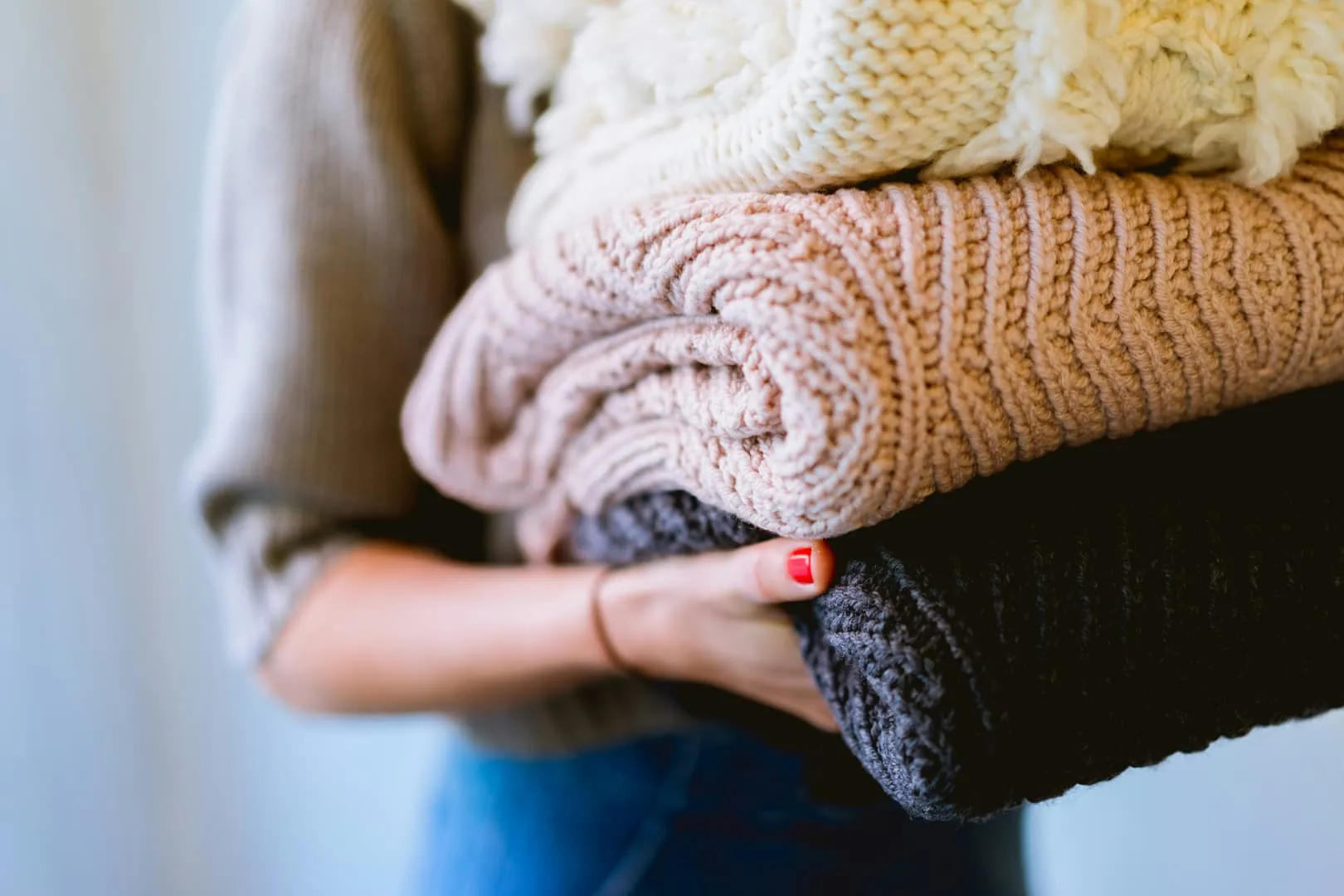
Your Laundry Might Be Polluting More Than Your Car: The Microplastic Problem at Home
Every time you wash your clothes, thousands of microscopic plastic fibres are released into water systems. In 2026, scientists agree: laundry is one of the largest sources of microplastic pollution — and it happens quietly, at home.