Autumn Immunity: Strengthen Naturally Before Winter
As days shorten and temperatures drop, the body slows down. Autumn is the perfect time to strengthen immunity naturally before winter sets in. Here's how to build resilience with simple, sustainable habits.
Eat with the season
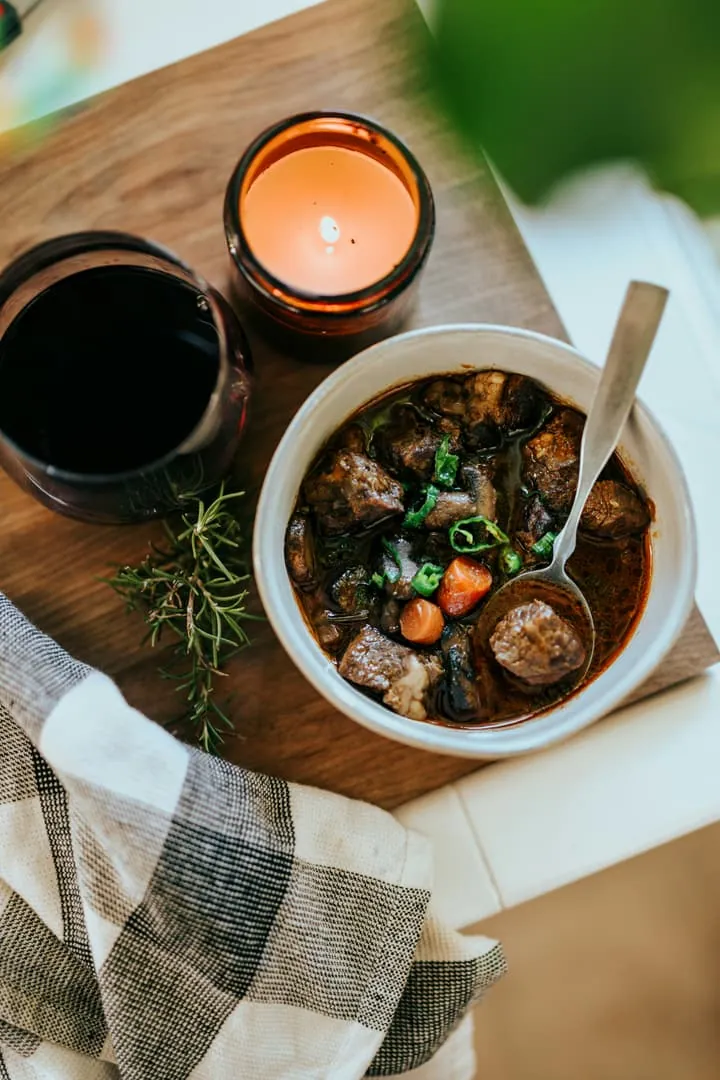
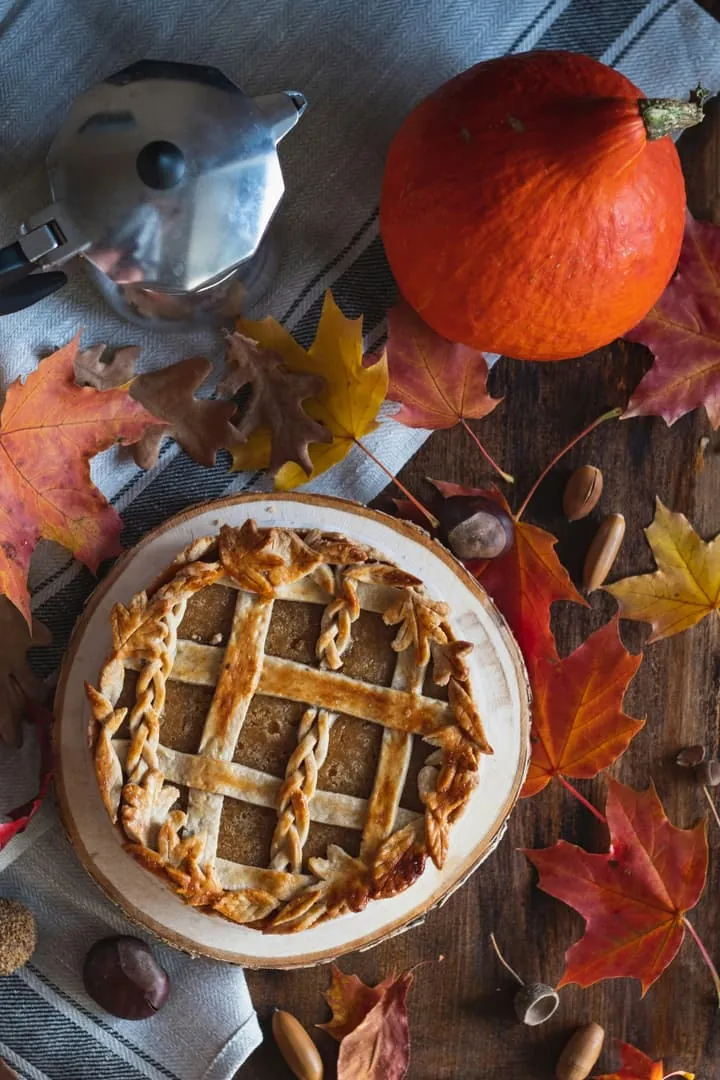
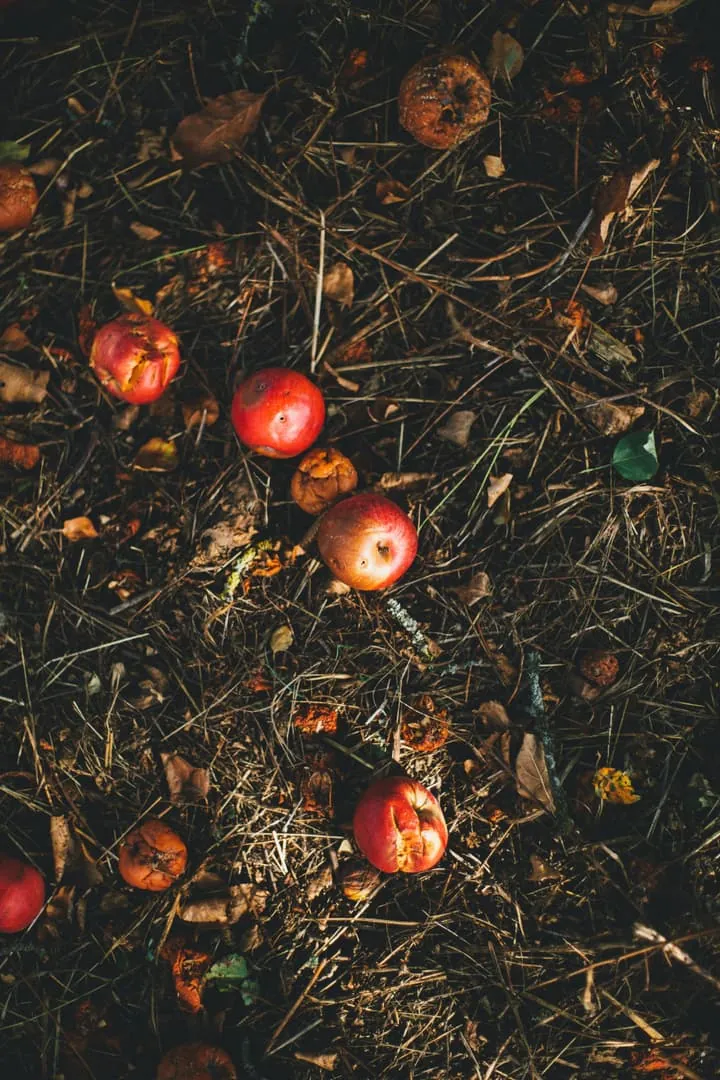
Pumpkin, carrots, apples, chestnuts — rich in beta-carotene and vitamin C. Warm soups and stews nourish and comfort. A bowl of pumpkin soup or baked apple-cinnamon is pure medicine. For recipe inspiration, check our seasonal soup guide and budget-friendly autumn meals.
Keep moving
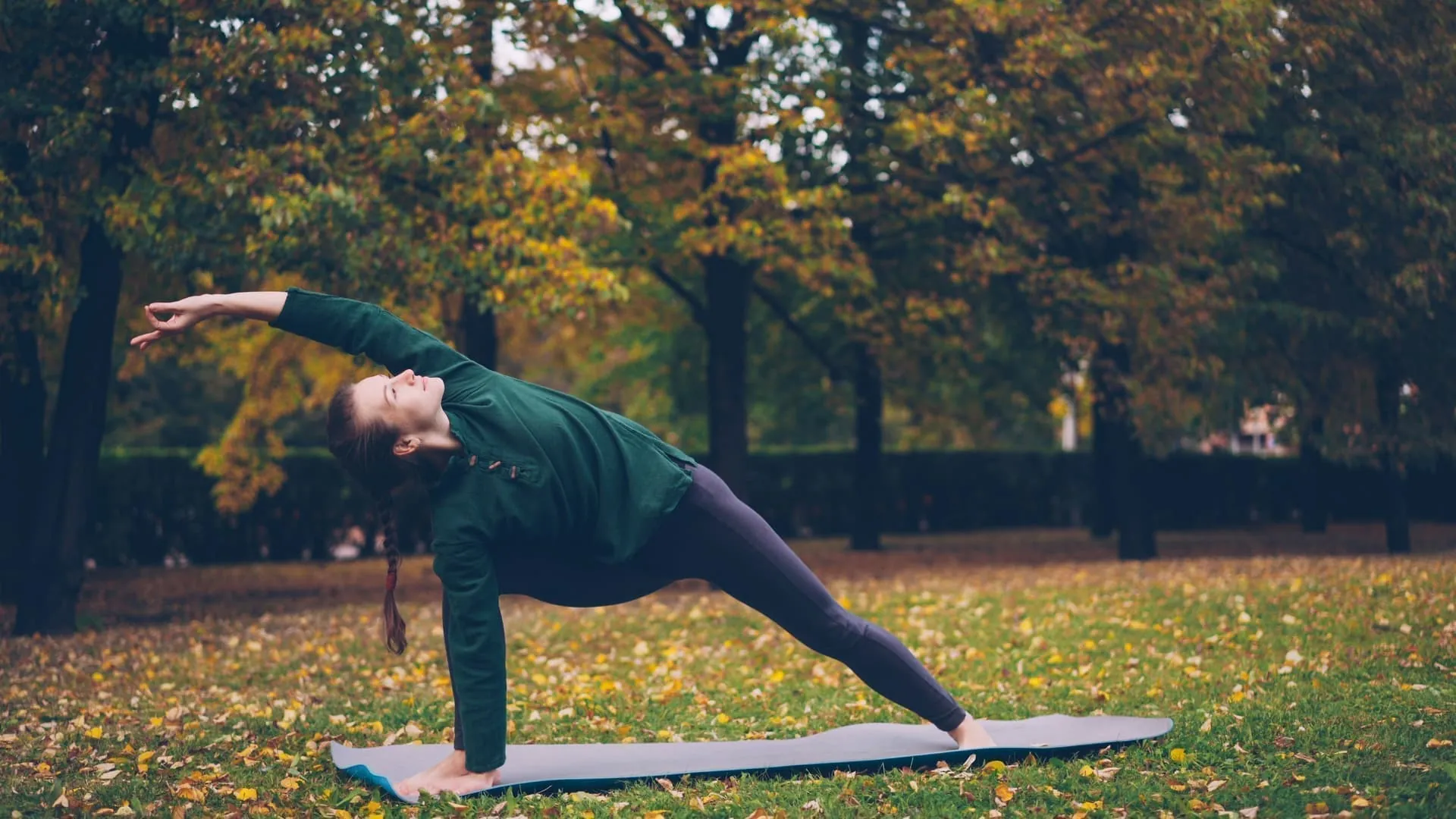
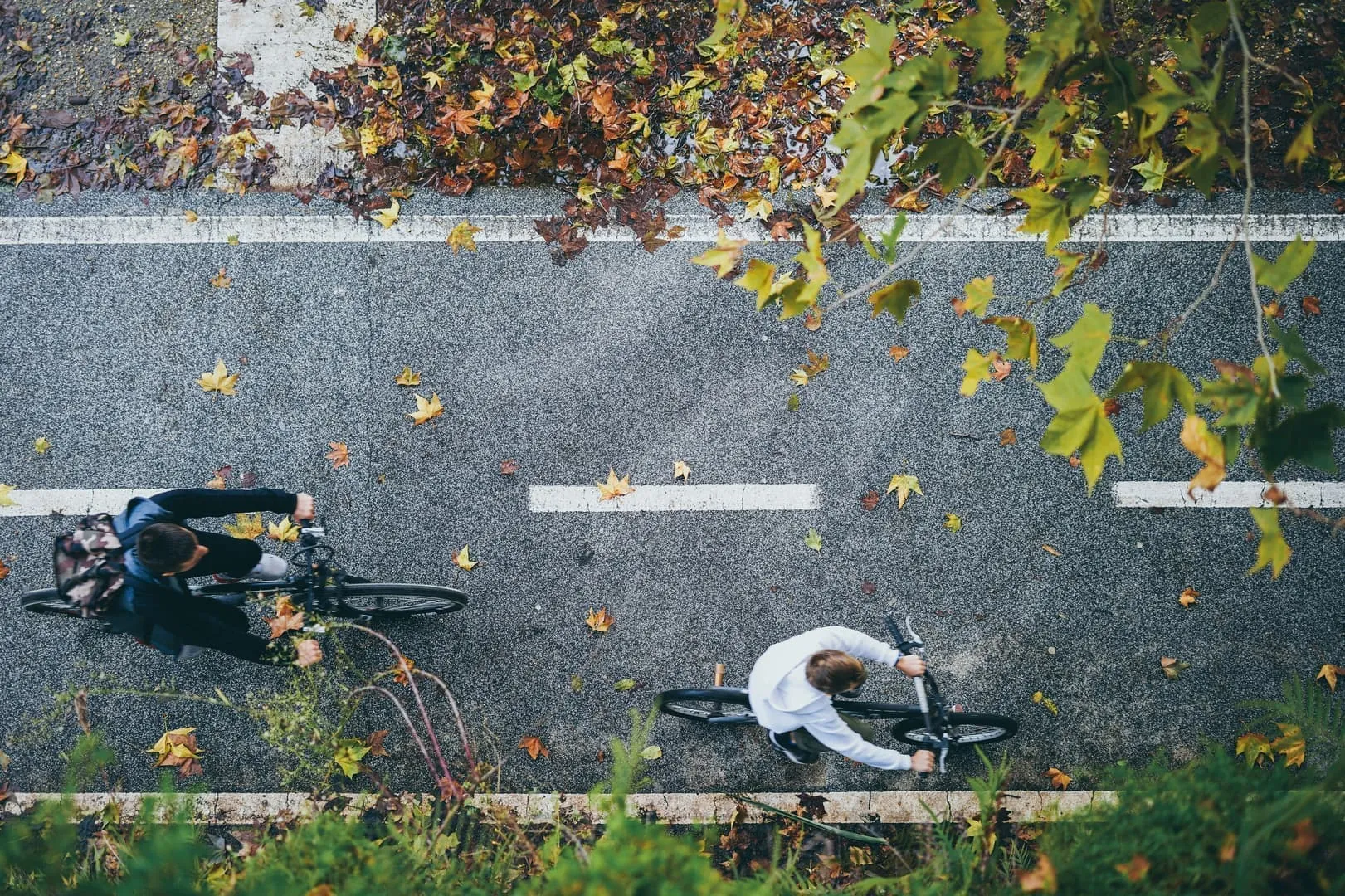
Brisk walks, cycling, gentle yoga — 20 minutes a day beats weekend marathons. Fresh air boosts white-cell activity. Even on cold days, outdoor movement strengthens defences naturally. Read more about cycling through autumn and maintaining green routines that reduce stress.
Sleep longer, sleep deeper
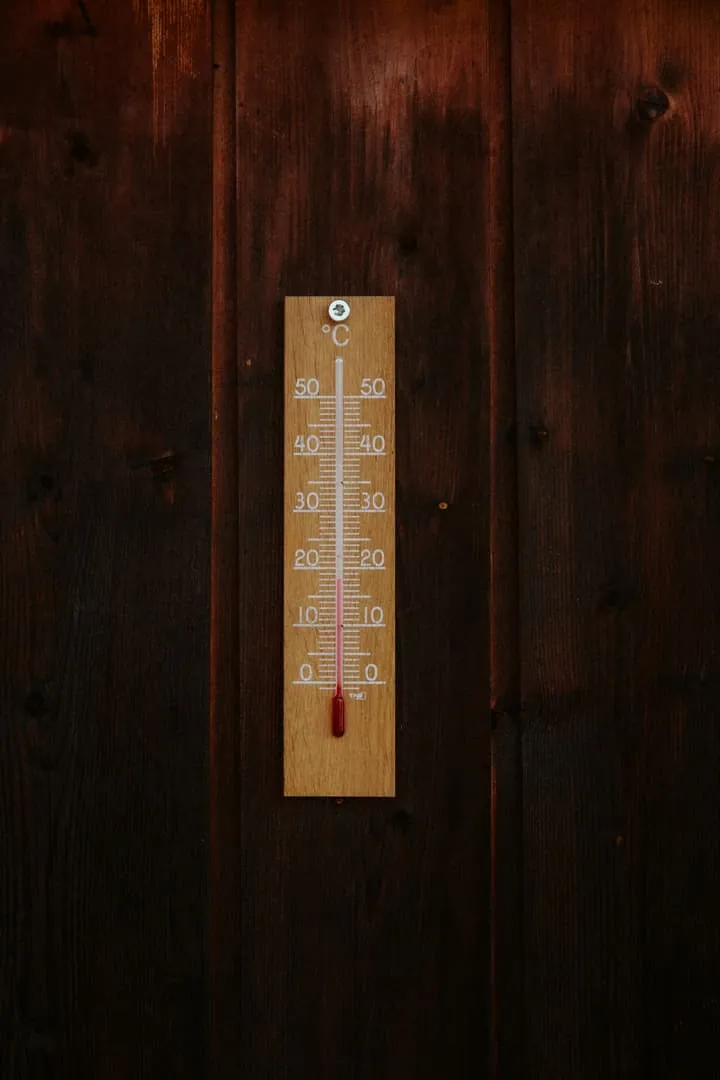
Follow natural light. Cool, screen-free bedrooms at 18 °C improve rest. The body repairs and strengthens immunity during deep sleep. Embrace the season's longer nights — they're nature's reset button.
Natural allies
Honey, propolis, ginger, turmeric, thyme infusions — nature's antivirals. A honey-lemon drink soothes and shields. Add fresh ginger to your morning breakfast routine for an extra immunity boost.
Mind-body balance
Mood affects immunity. Morning light, laughter, meditation, and friendship keep defences strong. Mental resilience is physical resilience. Take time to reconnect with yourself and boost energy naturally.
Prevention beats cure
Hand hygiene and probiotic-rich foods often prevent colds. Maintenance is the best medicine. Simple daily habits create lasting health — far better than reactive treatments.
People also ask
Which foods boost immunity? → Garlic, citrus, colorful veggies, honey, seasonal produce. Should I take supplements? → Only for confirmed deficiencies. Whole foods are better absorbed. Does cold-weather exercise weaken you? → No — it strengthens circulation and builds resilience.
Conclusion: Building immunity doesn't require magic pills — just rhythm. Eat real food, move, rest, breathe. Each preventive gesture in autumn becomes a promise of winter peace.
About the author:
Alexandre Dubois is a European sustainability enthusiast who shares practical, tested tips for everyday life. From saving on household energy to reducing waste, he focuses on simple changes that deliver real impact. He writes from personal experience, testing solutions in his own home before recommending them. Contact: info@greendailyfix.com
Related posts

Most People Aren’t Failing at Sustainable Living — They’re Just Optimising the Wrong Things
If sustainable living feels harder than it should, there’s a reason — and it has nothing to do with laziness or lack of care. In 2026, many people aren’t doing too little for the planet. They’re simply spending their energy on choices that barely move the needle.

If You Want to Live More Sustainably in 2026, Stop Doing More — Start Choosing What to Ignore
After years of advice telling us to optimise everything, many people reach the same conclusion: sustainable living feels like constant self-surveillance. In 2026, the most effective green shift is not about adding new rules, but about consciously deciding what no longer deserves your energy.

Why Sustainable Living Feels Exhausting - And How to Build a Green Life You Can Actually Maintain
Many people do not quit sustainable living because they do not care. They quit because it is exhausting. Too many rules. Too many contradictions. Too much pressure to do everything right, all the time. In 2026, this quiet fatigue has a name - and it is one of the biggest obstacles to real environmental progress.

Your Laundry Might Be Polluting More Than Your Car: The Microplastic Problem at Home
Every time you wash your clothes, thousands of microscopic plastic fibres are released into water systems. In 2026, scientists agree: laundry is one of the largest sources of microplastic pollution — and it happens quietly, at home.