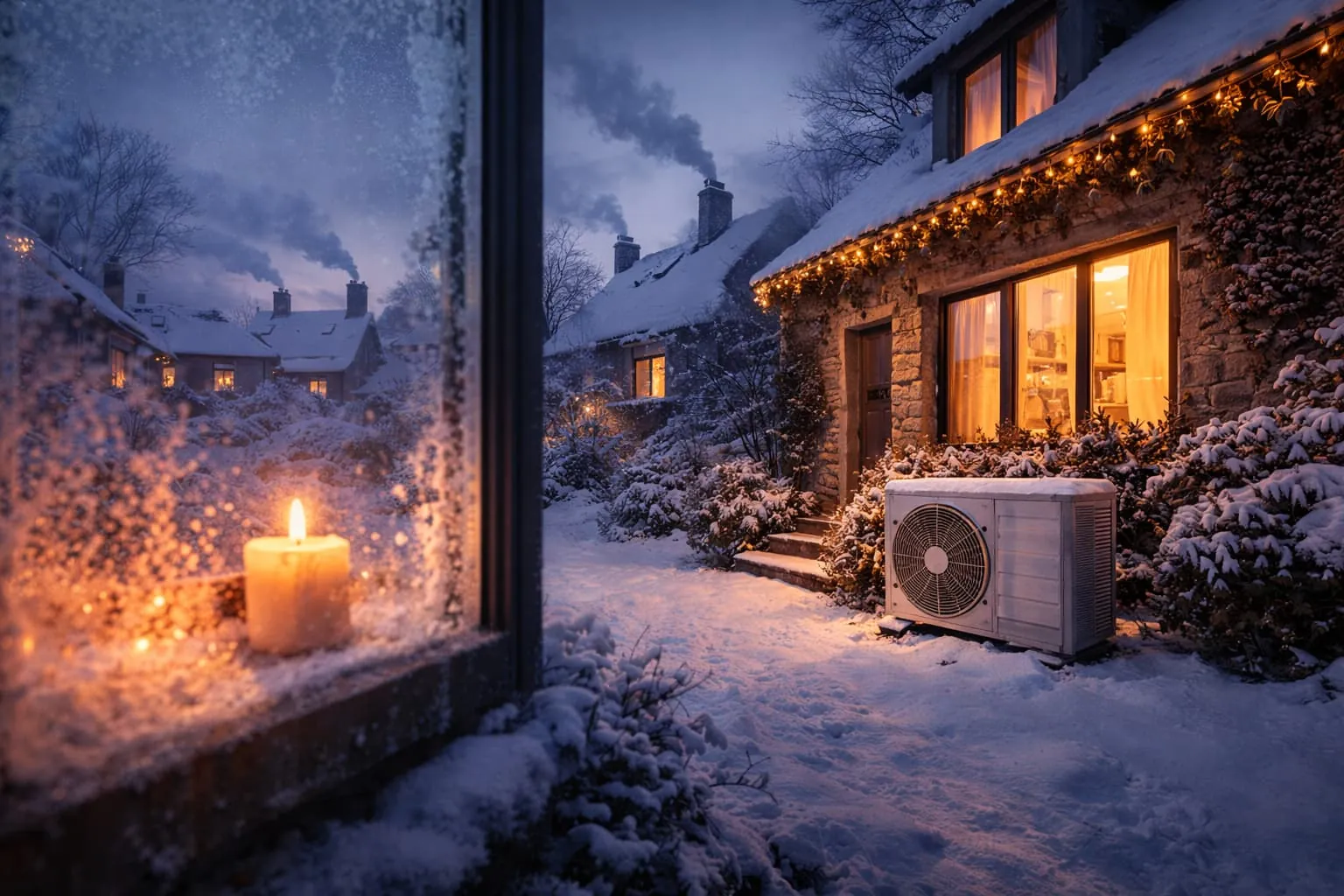
The Silent Energy Shift No One Warned Europeans About - And Why 2026 Will Feel Very Different
At first glance, nothing dramatic happened. No blackout swept across Europe, no single headline announced a new crisis. And yet, something fundamental has shifted - quietly, structurally, and almost invisibly. As Europe steps into 2026, millions of households are realising the same unsettling truth: the way we live with energy has permanently changed.
1. A crisis that does not look like a crisis
This shift does not feel like previous energy crises. What makes it different is not only cost, but the loss of predictability. For decades, energy was boring: you paid the bill, complained, and moved on. Today, energy decisions affect how warm your home feels, how much stress you carry, how secure your finances are, and even how your home is valued.
For many households, the turning point came through small moments: opening a winter bill and feeling unease, hesitating before turning up the thermostat, closing off rooms 'just for this winter.' These micro-decisions accumulated, and by 2025 energy had entered daily life.
2. Why this is not a temporary phase
One of the most persistent myths is that this phase will pass if people simply wait. History suggests the opposite. Volatility reshapes systems; it does not reset them. The new normal is already forming.
Three forces are locking this shift in place. First, regulation: energy efficiency standards are no longer symbolic but enforceable, affecting rentals, renovations, and financing. Second, financial repricing: banks and insurers now treat poor energy performance as risk. Third, behaviour: once households adapt, they do not fully revert.
3. Why 2026 will feel different in daily life
This is why 2026 will feel different even without a new crisis. Awareness remains. Tolerance for discomfort is lower. Trust in cheap, invisible energy has vanished.
Energy decisions now carry emotional weight. Cold homes affect sleep, health, and mental load. Regaining control brings relief, which helps explain why energy content, practical advice, and clear explanations resonate so strongly.
4. Prepared vs exposed households
A new divide is emerging - not between rich and poor, but between prepared and exposed households. Prepared households understand their energy weaknesses and plan. Exposed households wait and react under pressure.
Crucially, resilience does not start with expensive renovations. It starts with knowledge: audits, diagnostics, and phased planning. Preparation preserves flexibility and gives households room to decide when and how to act.
5. Act before certainty, not after
The biggest mistake in 2026 will not be choosing the wrong technology, but waiting for perfect certainty. Certainty always arrives last, once prices, rules, and opportunities have already shifted. Those who move with partial information retain options. Those who wait for guarantees are often left with fewer, more expensive choices.
Europeans are quietly learning a new skill: energy management. Monitoring, adjusting, planning. Once learned, it does not disappear. This is why small steps taken in 2026 can transform how future winters feel.
6. Beyond energy: what this shift really tells us
This shift goes beyond energy. It shows how households adapt to complexity under quiet pressure. Energy is simply the first area where long-term planning became unavoidable.
The energy transition did not arrive with fanfare. It arrived through habits, bills, and winter decisions. The question is no longer whether it will affect households, but how prepared they will be.
7. Build your 2026 energy resilience reading list
This article connects with other pieces that explore Europe's winter energy shift from different angles:
- Europe's energy outlook 2026: what 2025 changed for households
- Europe's winter energy anxiety: why households feel the pressure before the bills
- Why European homes feel colder than they used to - even when heated
- The rise of the 15C home: Europe's winter heating shift
- EU 2026 thermal upgrade rules: what changes for your home
- Indoor air revolution 2026: CO2 sensors and smarter ventilation
Frequently Asked Questions
Is Europe facing another energy crisis?
Not necessarily a sudden crisis, but a lasting structural shift in how energy is managed and perceived.
Why does energy feel more stressful now?
Because unpredictability and personal impact have replaced stability and invisibility.
What should households prioritise?
Understanding their home's energy performance and planning ahead, rather than waiting.
Conclusion: The energy transition did not arrive with panic or spectacle. It arrived quietly, through habits and winter bills. In 2026, the difference between stress and confidence will not be ideology or income - it will be preparation.
About the author:
Julien Maurice is the founder of AdminLanding and writes the editorial guides on GreenDailyFix covering French renovation aid, energy policy, and the administrative side of the energy transition. Contact: [email protected]
Related posts

The Winter Home Problem Nobody Talks About: Humidity, Mould, and the Air You’re Breathing
Every winter, we seal our homes to keep warmth in — and trap something else inside. Humidity rises, air stagnates, and invisible pollutants accumulate. In 2026, indoor air quality is becoming one of the most overlooked health issues in European homes.
From Optimisation to Protection: Why European Homes Are Redefining Energy Strategy in 2026
For years, energy advice focused on optimisation: better efficiency, higher performance, maximum savings. In 2026, European households are quietly changing priorities. The new goal is not perfection - it is protection.

The Illusion of Energy Stability: Why Europe's 2026 Calm Is Costing Households More Than They Think
For the first time in years, Europe entered winter without an energy shock. No dramatic price surge. No emergency headlines. And yet, something more dangerous is happening quietly: households are mistaking stability for safety.

Europe’s Winter Wake-Up Call: The Hidden Energy Decisions Millions of Homes Will Regret Delaying in 2026
This winter, Europe didn’t freeze — but something else happened quietly. Millions of households realized that energy problems no longer arrive as shocks. They arrive as slow, expensive regrets. Winter 2026 isn’t about panic. It’s about the cost of waiting.