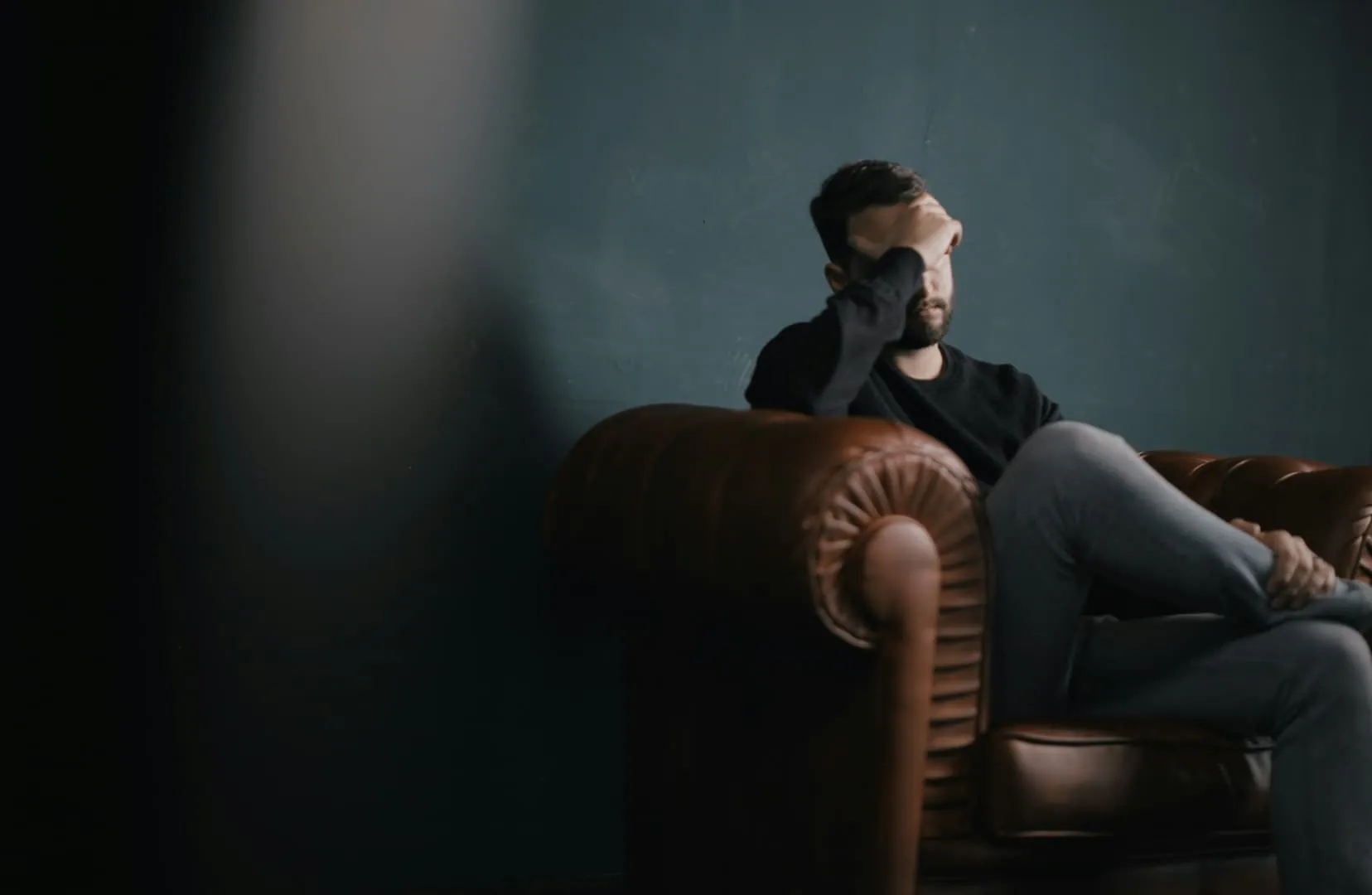
Europe’s Winter Energy Anxiety: Why Households Are Rethinking Heating, Budgets, and Comfort
This winter, energy is no longer just a line in the household budget. Across Europe, heating costs have become a source of daily stress, reshaping how families heat their homes, plan expenses, and even use living space. The anxiety is real — and it is changing behaviour faster than many public policies.
1. A winter that feels different
Winter 2025 does not feel like previous ones. Even before the coldest weeks arrived, households were already bracing for impact. News headlines, fluctuating tariffs and memories of past energy shocks have created a climate of anticipation — and fear.
Instead of waiting to see what happens, many families now anticipate higher bills as a near certainty. This expectation alone is enough to change behaviour: people pre-emptively reduce heating, delay purchases or mentally allocate part of their income to “surprise” energy costs.
2. Why anxiety matters
Energy anxiety is not abstract. It shapes concrete decisions every day: lowering thermostats, closing rarely used rooms, postponing renovations, cancelling trips or cutting other spending to protect the energy budget.
Across several European surveys, heating has overtaken food as the number-one winter financial concern for many households. When warmth feels negotiable, comfort stops being a given and becomes a calculation.
3. The bill shock effect
For many families, the first high winter bill acts as a wake-up call. It is not only the amount that hurts, but the unpredictability. Variable tariffs, complex contracts and unclear billing formats make it difficult to understand what changed and why.
When people cannot easily connect behaviour to outcome, they feel powerless. That loss of control fuels anxiety far more than the numbers alone.
4. Coping strategies spreading across Europe
In response, new habits are spreading quickly across European homes:
- heating only one or two rooms instead of the whole dwelling
- wearing indoor thermal clothing and thicker socks
- shifting activities to the warmest hours of the day
- using smart thermostats and timers more aggressively
These behaviours, once marginal or associated with “extreme frugality”, are becoming mainstream. For many households, they are simply the new normal of winter.
5. The psychological cost of cold homes
Cold or under-heated homes carry a psychological cost that is often underestimated. Studies link prolonged exposure to cooler indoor temperatures with changes in mood, sleep quality and concentration. Children may struggle to focus on homework; adults may feel more irritable or exhausted.
Energy anxiety is therefore not only financial. It is emotional and physical, affecting how safe, relaxed and at home people feel in their own space.
6. Why short-term fixes are not enough
Short-term adjustments — closing shutters at night, using draught excluders, layering clothes — can make a real difference. But they do not resolve structural problems such as poor insulation, ageing windows or inefficient heating systems.
This is where frustration builds. Many households know what needs to be improved, but lack the budget, reliable information or clear long-term rules to act with confidence.
7. The gap between advice and reality
Public campaigns encourage people to save energy, renovate their homes and apply for grants. In practice, the path from advice to action is full of obstacles: paperwork, eligibility criteria, waiting lists, and for renters, the need to convince a landlord.
As a result, people often hear the right messages but feel unable to implement them. This gap between what “should” be done and what is realistically possible is a major driver of anxiety.
8. A silent shift in expectations
Perhaps the biggest change is cultural. Across Europe, comfort is being quietly redefined. Warmth is no longer assumed; it is managed, negotiated and sometimes rationed.
Some families accept cooler bedrooms as standard. Others concentrate life in a single heated room. Evening routines shift to match the warmest periods of the day. All these micro-adjustments signal a broader reset in what “normal” winter living feels like.
9. What actually helps right now
In winter 2025, the most effective actions are pragmatic and often low-tech:
- sealing air leaks around windows and doors
- adjusting heating schedules room by room rather than using a single setting
- comparing suppliers and tariffs where switching is possible
- planning renovation work for spring or summer, with a clear priority list
Each of these steps restores a degree of control. Even small wins matter when the goal is not only to save money, but to feel less exposed to external shocks.
10. Looking ahead
Energy anxiety will not disappear overnight. Price volatility, climate policies and the scale of Europe’s renovation needs mean that winter energy debates are here to stay.
However, the households that adapt early — by understanding their consumption, improving their home step by step and seeking trustworthy advice — are already experiencing less stress than those waiting for perfect conditions.
11. Build your winter energy anxiety cluster (internal links)
If this article resonates with your situation, you may also find these guides useful:
- Europe’s winter energy crunch: what 2025–2026 really looks like
- Why European homes feel colder than they used to — even when heated
- Christmas energy spike: how a few days transform your winter bill
- Winter 2026 reality check: how European households are preparing
Together, these articles form a practical roadmap for understanding and managing winter energy risks at home.
Frequently Asked Questions
Why do energy bills feel more stressful this winter?
Because unpredictability and the memory of past crises turn each bill into a test of financial stability.
Are small changes really effective?
Yes. When combined, small actions such as sealing drafts, adjusting schedules and using smarter controls can significantly reduce consumption.
Is this anxiety temporary?
Likely not. It reflects deeper structural issues in housing, tariffs and energy systems that will take years to resolve.
Conclusion: Winter 2025 has revealed something deeper than high energy prices: a shift in how Europeans relate to comfort, cost and control. Those who adapt, plan and stay informed will not only save money — they will regain peace of mind.
About the author:
Julien Maurice is the founder of AdminLanding and writes the editorial guides on GreenDailyFix covering French renovation aid, energy policy, and the administrative side of the energy transition. Contact: [email protected]
Related posts

The Winter Home Problem Nobody Talks About: Humidity, Mould, and the Air You’re Breathing
Every winter, we seal our homes to keep warmth in — and trap something else inside. Humidity rises, air stagnates, and invisible pollutants accumulate. In 2026, indoor air quality is becoming one of the most overlooked health issues in European homes.

From Optimisation to Protection: Why European Homes Are Redefining Energy Strategy in 2026
For years, energy advice focused on optimisation: better efficiency, higher performance, maximum savings. In 2026, European households are quietly changing priorities. The new goal is not perfection - it is protection.

The Illusion of Energy Stability: Why Europe's 2026 Calm Is Costing Households More Than They Think
For the first time in years, Europe entered winter without an energy shock. No dramatic price surge. No emergency headlines. And yet, something more dangerous is happening quietly: households are mistaking stability for safety.

Europe’s Winter Wake-Up Call: The Hidden Energy Decisions Millions of Homes Will Regret Delaying in 2026
This winter, Europe didn’t freeze — but something else happened quietly. Millions of households realized that energy problems no longer arrive as shocks. They arrive as slow, expensive regrets. Winter 2026 isn’t about panic. It’s about the cost of waiting.