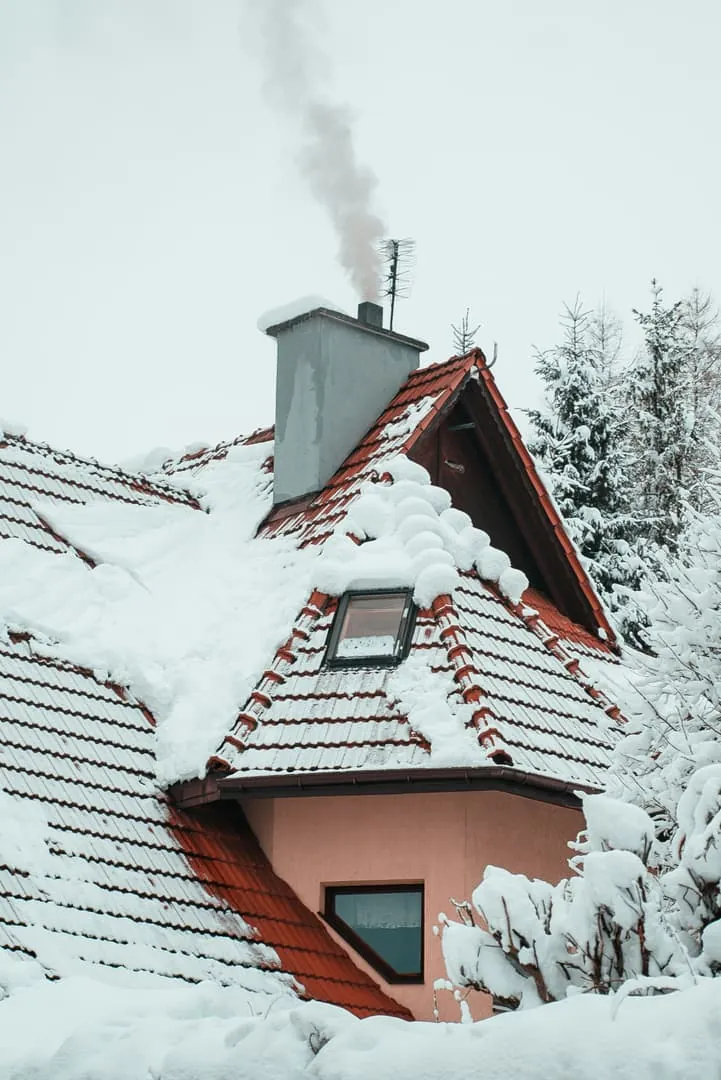
Why European Homes Feel Colder Than They Used To — Even When Heated
Across Europe, a strange winter complaint is becoming increasingly common: “The heating is on, but I still feel cold.” Thermostats show acceptable temperatures, energy bills are rising — yet comfort seems to be slipping away. This sensation is not imagined. European homes are not necessarily colder in temperature, but they feel colder. And the reason has little to do with radiators or heat pumps alone. Thermal comfort is a complex mix of air quality, humidity, light, movement, habits and psychology. As homes become more insulated and lifestyles change, these invisible factors are playing a bigger role than ever. This article explains why modern homes often feel colder — and what actually restores comfort without turning the heating up.
1. Temperature is only one part of comfort
Most people equate comfort with temperature alone. In reality, thermal comfort depends on several interacting elements: air humidity, air movement, surface temperatures, light, clothing and activity level.
A room at 19°C can feel colder than one at 17°C if humidity, lighting or air quality are wrong.
2. Dry air makes cold feel colder
Modern heating systems dry indoor air. When humidity drops below 30%, the body loses heat faster through evaporation.
Dry air increases:
- cold sensation
- throat irritation
- fatigue
This explains why heated homes often feel colder late in winter.
3. Humidity and heat perception
Optimal humidity (around 40–50%) allows heat to feel softer and more enveloping. Without it, warmth dissipates quickly.
Many homes feel cold simply because air is too dry — not because heating is insufficient.
4. Air quality, CO₂ and fatigue
High CO₂ levels reduce oxygen intake efficiency, leading to sluggishness, headaches and a false sense of chill.
Poor ventilation creates heavy air that feels cold and uncomfortable, even at adequate temperatures.
5. Lighting shapes thermal perception
Cold white light (around 4,000 K and above) sharpens contrasts and increases alertness — but also accentuates cold sensations.
Warm lighting softens perception and makes spaces feel physically warmer, especially on dark winter evenings.
6. Surface temperature matters more than air
Cold walls, floors and windows draw heat from the body through radiation.
Even with warm air, cold surfaces create discomfort. This is why rugs, curtains and wall insulation have an immediate impact on comfort and why poorly insulated windows can make an entire room feel cold.
7. Stillness increases cold sensation
Modern winter life is sedentary. Sitting still for hours reduces circulation and amplifies the sensation of cold.
Small movements, stretching or standing tasks — even for a few minutes each hour — significantly improve thermal comfort.
8. Clothing has changed — and not for the better
Modern indoor clothing is lighter than in past generations. Thin fabrics, exposed ankles and light tops are common in highly heated offices — but they undermine comfort in energy-conscious homes.
Expecting high comfort while wearing thin layers forces heating to compensate. Layering restores comfort at lower temperatures.
9. Psychological expectations and comfort
Comfort expectations have shifted. In many households, constant warmth has become the norm, making any deviation feel uncomfortable.
Recalibrating expectations — for example accepting slightly cooler temperatures while improving clothing, light and routines — restores tolerance and reduces energy demand.
10. Why turning the heating up does not solve it
Increasing temperature does not fix:
- dry air
- poor ventilation
- cold surfaces
- lighting mismatch
This is why heating often feels less effective than before: the underlying comfort factors have changed, but habits have not.
11. Restoring comfort without extra energy
True solutions focus on balance rather than more heat. They include:
- rebalancing humidity
- ventilating intelligently
- using warmer lighting in the evenings
- layering clothing instead of relying only on heating
- creating smaller zones of warmth (for example a warm reading corner)
Comfort returns without increasing energy use — and often with lower bills.
12. Build your winter comfort cluster (internal links)
If you want to explore winter comfort from every angle, these articles form a coherent cluster:
- Winter evenings and slow living: why Europe is slowing down after 6 p.m.
- Food as warmth: winter cooking that heats without heating
- Europe’s winter light reset: smarter lighting for energy and wellbeing
- The rise of the 15°C home: Europe’s winter heating shift
- Indoor air revolution 2026: CO₂ sensors and smarter ventilation
Frequently Asked Questions
Why do I feel cold at 19°C?
Dry air, poor ventilation, cold surfaces or lighting can all make 19°C feel uncomfortable.
Does humidity really affect warmth?
Yes. Proper humidity slows heat loss from the body and improves comfort significantly.
Conclusion: European homes are not necessarily colder than before — but comfort has become more complex. As insulation improves and lifestyles change, warmth depends less on temperature alone and more on balance. Air quality, humidity, lighting and habits now shape how winter feels indoors. Understanding this shift allows households to restore comfort intelligently — without chasing higher energy bills.
About the author:
Julien Maurice is the founder of AdminLanding and writes the editorial guides on GreenDailyFix covering French renovation aid, energy policy, and the administrative side of the energy transition. Contact: [email protected]
Related posts

The Winter Home Problem Nobody Talks About: Humidity, Mould, and the Air You’re Breathing
Every winter, we seal our homes to keep warmth in — and trap something else inside. Humidity rises, air stagnates, and invisible pollutants accumulate. In 2026, indoor air quality is becoming one of the most overlooked health issues in European homes.

From Optimisation to Protection: Why European Homes Are Redefining Energy Strategy in 2026
For years, energy advice focused on optimisation: better efficiency, higher performance, maximum savings. In 2026, European households are quietly changing priorities. The new goal is not perfection - it is protection.

The Illusion of Energy Stability: Why Europe's 2026 Calm Is Costing Households More Than They Think
For the first time in years, Europe entered winter without an energy shock. No dramatic price surge. No emergency headlines. And yet, something more dangerous is happening quietly: households are mistaking stability for safety.

Europe’s Winter Wake-Up Call: The Hidden Energy Decisions Millions of Homes Will Regret Delaying in 2026
This winter, Europe didn’t freeze — but something else happened quietly. Millions of households realized that energy problems no longer arrive as shocks. They arrive as slow, expensive regrets. Winter 2026 isn’t about panic. It’s about the cost of waiting.