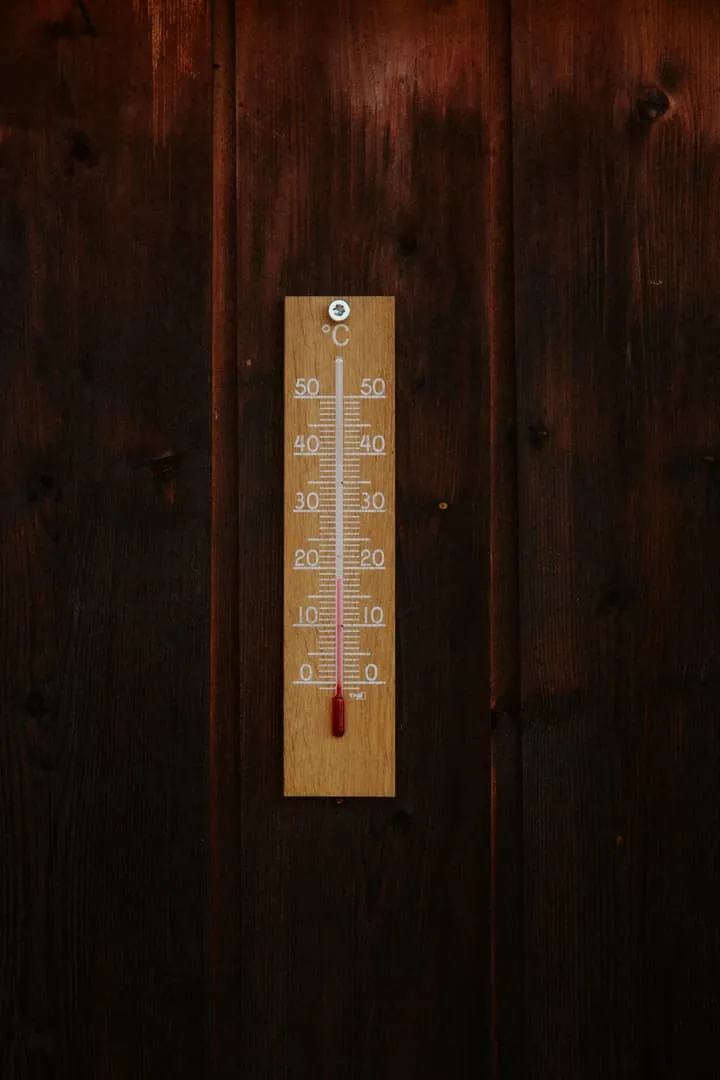
The Rise of the 15°C Home: Why Europeans Are Rethinking Winter Heating
When Sophie in Lyon checked her December energy bill last year, she nearly choked: €287 for one month. This winter, she lives at 16°C — and saved over €800. Her secret? She stopped fighting the cold and started working with it. Across Europe, thousands are doing the same. Welcome to the 15°C home revolution.
1. The €800 winter: why people are choosing cold
In Copenhagen, Maria's grandmother lived through winters with no central heating. Thick wool, hot soup, and going to bed early were the norms. Fast-forward to today: homes heated to 22°C around the clock have become the baseline.
But 2022 changed everything. Energy bills doubled. Suddenly, keeping every room at tropical warmth felt absurd.
Now, a new generation is rediscovering what their grandparents knew: you do not need constant heat to be comfortable. You need the right clothes, the right mindset, and a few smart tricks.
Read also: Winter 2025: stay warm and waste less
2. The math that makes people switch
Let's be blunt: heating is expensive. In a typical French household, it devours 60–70% of winter energy.
Here's the game-changer: every degree you drop saves roughly 7%.
Drop from 20°C to 16°C? That's 25–30% off your heating bill. For a household paying €1,200 per winter, that's €300–360 back in your pocket.
Sophie's story? She went from 21°C to 16°C. Monthly bill: from €287 to €190. Over five winter months, she saved €485. Add better habits (shorter showers, smarter laundry), and she hit €800 in total savings.
The economics are undeniable.
For the broader winter context, see: Europe's winter energy crunch 2025–2026
3. The health question everyone asks
Is living at 15°C safe? Here's what doctors actually say.
For healthy adults, 15–17°C is fine — as long as you dress properly. Think wool layers, warm socks, a fleece at home. Your body adapts within days.
Better yet: cooler bedrooms improve sleep quality. Overheated homes (22°C+) dry out your airways, trigger headaches, and make you groggy.
The real enemy is not cold — it's cold plus damp. A humid 18°C feels worse than a dry 15°C. Fix ventilation first, then lower the thermostat.
Who should not do this: elderly people, infants, anyone with chronic illness. Context matters.
If humidity is a recurring issue, read: Humidity and heating: finding the right balance
4. Why 16°C can feel warmer than 20°C
Here's the trick nobody tells you: temperature is only part of comfort.
Jakob in Berlin lives at 16°C but feels cozy. His secret? Dry air, no drafts, warm lighting, and thick rugs. Meanwhile, his neighbor keeps the heat at 20°C but complains of being cold — because the air is damp, walls are poorly insulated, and LED bulbs cast a clinical glow.
Comfort comes from:
- Humidity (dry feels warmer)
- Air movement (draft-free zones)
- Lighting (warm tones create psychological warmth)
- Clothing (wool beats synthetic every time)
- Activity (moving around generates heat)
Once you fix these variables, the thermostat number becomes almost irrelevant.
For ventilation and indoor health, see: Europe's indoor air revolution (CO₂ sensors and ventilation)
5. The daily routine that makes it work
Sophie's winter morning routine:
- Wake up in a 14°C bedroom (under a thick duvet, she sleeps like a baby)
- Pull on wool socks and a fleece before leaving bed
- Heat the kitchen to 18°C for breakfast (30-minute boost)
- Let it drop back to 16°C for the rest of the day
- Wear layers: thermal base, sweater, cardigan
- Use a heated throw on the sofa in the evening
- Back to 14°C for bedtime
Total heating time: 2–3 hours per day, not 24.
Other winning strategies:
- Zoning: only heat rooms you are using
- Warm lighting: amber bulbs make spaces feel psychologically warmer
- Thick curtains: trap heat at night
- Hot drinks: tea, coffee, soup — internal heating
Comfort stops being passive. It becomes intentional.
Read also: The home comfort boom: low-energy heating and thermal decor
6. Tech that makes low heating painless
Smart thermostats are game-changers for the 15°C lifestyle.
Instead of heating all day, they let you:
- Boost specific rooms (kitchen 18°C for breakfast, then back to 15°C)
- Set schedules (warm living room 6–9 PM, nothing else)
- Track savings in real-time
Tado, Netatmo, Google Nest — they all do this. Installation cost: €150–300. Payback time: often under one winter.
The beauty? You are not fighting your thermostat. You are programming comfort exactly when you need it.
Read also: Smart thermostats in 2025
7. From shame to pride: the cultural flip
Five years ago, admitting you kept your home at 16°C felt like confessing poverty.
Today? It is a badge of resilience.
Online communities share tips. Instagram posts celebrate cozy low-temp setups. Young professionals compete on who saves the most. The narrative shifted from deprivation to smart living.
This is not about going back to the Stone Age. It is about rejecting the absurd idea that we need year-round tropical warmth in Northern Europe.
Climate-conscious. Cost-conscious. And surprisingly comfortable.
8. When 15°C does not work (and what to do instead)
Not every home can go low-temp. If you have:
- Elderly or ill family members — keep it warmer
- Infants — they cannot regulate body temperature yet
- Damp, poorly insulated walls — fix the building first
In these cases, chasing 15°C is counterproductive.
Better path: improve insulation, fix drafts, install proper ventilation. Then lower heating gradually. A well-insulated home at 18°C beats a drafty one at 20°C every time.
For renovation context, see: EU eco-renovation wave 2026: homeowners' guide
9. What happens if millions do this?
If just 10% of European households dropped heating by 4°C, the collective impact would be staggering:
- 15–20% reduction in residential heating emissions
- Lower winter peak demand (fewer grid emergencies)
- Billions saved on energy imports
This is not theoretical. Germany, France, and the Netherlands already saw measurable drops in 2023 winter consumption — largely from voluntary behavior changes.
Your thermostat is not just a personal choice. It is a political one.
10. Your complete winter energy blueprint
Want to go deeper? These guides complete the picture:
- Hot water: the hidden energy drain (Dec 13) — showers cost more than you think
- Indoor air quality revolution (Dec 12) — breathe better, heat smarter
- 2026 thermal upgrade rules (Dec 11) — what homeowners must know
- 15 low-energy home upgrades (Dec 10) — practical improvements that pay off
Combine lower heating with smarter water use, better insulation, and improved ventilation — and you will cut winter bills in half.
Frequently Asked Questions
Is 15°C really enough to live comfortably?
Yes for many people, if humidity, clothing and air quality are well managed.
Does lowering heating improve health?
Moderate cooler temperatures can improve sleep and reduce dryness, but must remain safe.
Conclusion: Sophie is not suffering. She is thriving. Her home is dry, her bills are manageable, and she sleeps better than ever. The 15°C revolution is not about going back — it is about moving forward with intention. Comfort is not a thermostat number. It is a practice. And once you master it, there is no going back to wasteful, expensive, automatic heating.
About the author:
Julien Maurice is the founder of AdminLanding and writes the editorial guides on GreenDailyFix covering French renovation aid, energy policy, and the administrative side of the energy transition. Contact: [email protected]
Related posts
The Winter Home Problem Nobody Talks About: Humidity, Mould, and the Air You’re Breathing
Every winter, we seal our homes to keep warmth in — and trap something else inside. Humidity rises, air stagnates, and invisible pollutants accumulate. In 2026, indoor air quality is becoming one of the most overlooked health issues in European homes.

From Optimisation to Protection: Why European Homes Are Redefining Energy Strategy in 2026
For years, energy advice focused on optimisation: better efficiency, higher performance, maximum savings. In 2026, European households are quietly changing priorities. The new goal is not perfection - it is protection.

The Illusion of Energy Stability: Why Europe's 2026 Calm Is Costing Households More Than They Think
For the first time in years, Europe entered winter without an energy shock. No dramatic price surge. No emergency headlines. And yet, something more dangerous is happening quietly: households are mistaking stability for safety.

Europe’s Winter Wake-Up Call: The Hidden Energy Decisions Millions of Homes Will Regret Delaying in 2026
This winter, Europe didn’t freeze — but something else happened quietly. Millions of households realized that energy problems no longer arrive as shocks. They arrive as slow, expensive regrets. Winter 2026 isn’t about panic. It’s about the cost of waiting.