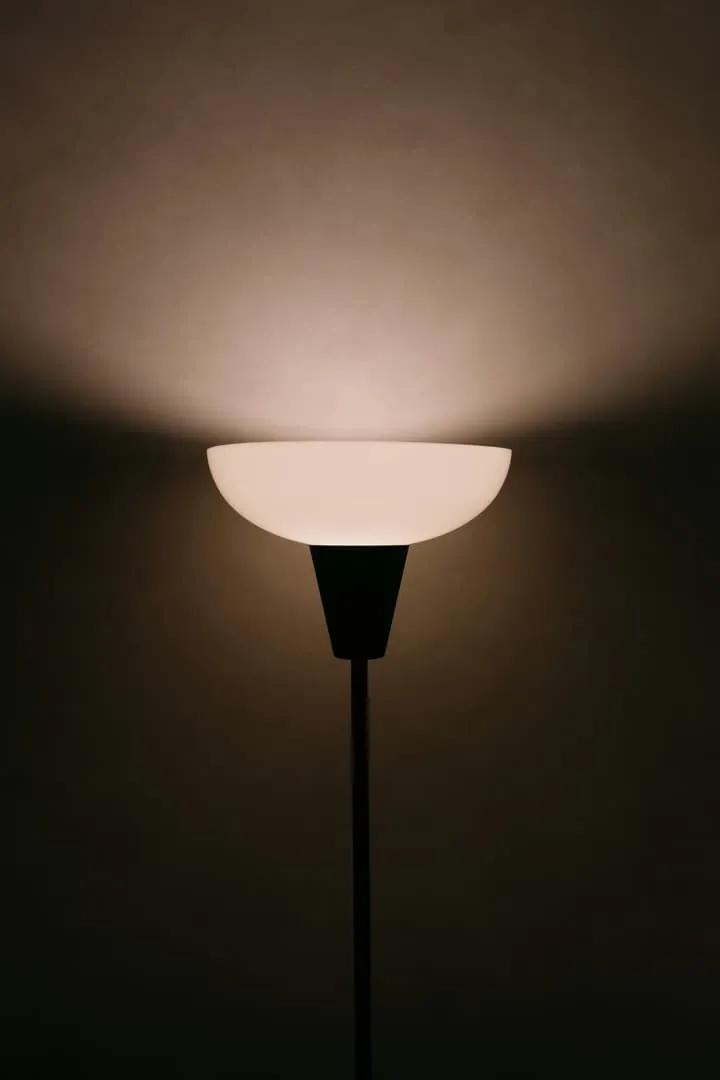
Europe’s Winter Light Reset: How Smarter Lighting Is Reducing Energy Use and Improving Wellbeing
Winter in Europe is not only colder — it is darker. As daylight shrinks, homes rely heavily on artificial lighting for comfort, productivity and emotional balance. Yet lighting is often treated as a minor energy issue. In reality, winter lighting choices can affect electricity use, sleep quality, mood, and even how warm a room feels. In 2025, a quiet shift is happening across Europe. More households are rethinking how they light their homes in winter: warmer tones, smarter schedules, and fewer lumens but better placement. This "winter light reset" is emerging as one of the simplest ways to save energy while improving everyday wellbeing. Here is why winter lighting matters more than we think — and how to optimise it without overcomplicating your home.
1. Why winter lighting matters more than we think
In winter, lighting time increases naturally: shorter days mean lights stay on longer, often from mid-afternoon until bedtime. That extra runtime can become costly if your home still uses older bulbs or if lighting is left on by habit.
But lighting is not only about visibility. It influences:
- circadian rhythm and sleep
- mood and motivation
- focus and comfort when working from home
- perception of warmth in a room
In other words, lighting is functional — and physiological.
2. Lighting vs heating: a hidden interaction
Light changes how we feel temperature. Warm, amber-toned light tends to make spaces feel more inviting and "cosy", while cold white light can make the same room feel harsher and less comfortable.
That matters in winter, because comfort is often what drives people to increase heating. If your home lighting is cold and intense, you may compensate by turning the thermostat up. With warmer light and better placement, many households find it easier to keep heating slightly lower without feeling deprived.
For the broader comfort context, see: The rise of the 15°C home.
3. The shift toward warm winter light
A common winter upgrade is simply moving from cold white bulbs to warm LEDs. A practical range for living spaces is roughly 2200K to 2700K (soft warm).
What is changing in 2025 is not just colour temperature, but the way light is distributed:
- layered lighting instead of one bright ceiling fixture
- indirect lighting (floor lamps, wall washers) to reduce glare
- smaller, targeted lights where you actually need them
The result is less eye strain, better atmosphere, and often lower total wattage.
4. LEDs remain the biggest energy win
If you are still using halogen or older incandescent-style bulbs in secondary rooms (hallway, bathroom, spare room), winter is when you pay the price.
Switching to LED bulbs typically means:
- up to 80% less electricity for the same brightness
- longer lifespan (years, not months)
- less wasted energy as heat
Start with the lights that are on the most: kitchen, living room, entrance, and any home-office setup.
5. Smart lighting schedules reduce waste automatically
Winter evenings are long. That is exactly where smart automation saves you from "accidental" energy use. Smart systems can help you:
- turn lights on at sunset and off at a fixed time
- dim automatically after 9–10 PM
- use motion sensors in corridors and bathrooms
- switch everything off when you leave the house
If you use connected lighting, make sure the brand names you choose have strong ecosystems and clear settings. Examples include Philips Hue and IKEA Home smart.
6. Lighting and seasonal wellbeing: build a simple rhythm
Many people underestimate how much winter darkness affects energy and mood. Poor light routines can contribute to fatigue, low mood, and disrupted sleep.
A simple winter-friendly pattern is:
- brighter light in the morning (wake-up, breakfast, desk time)
- warm, dim light in the evening (after dinner)
- very low light in the last hour before sleep
This is not about perfection. It is about aligning your home lighting with how your body is meant to wind down.
7. Light, focus, and working from home
With more remote work, winter lighting becomes a productivity tool. The mistake is to over-light an entire room when you only need brightness at your desk.
Try:
- task lighting (a good desk lamp)
- a softer background light to reduce contrast
- avoiding glare from overhead fixtures
This often improves focus while lowering total energy use — because you stop blasting the ceiling light for hours.
8. Decorative vs functional light: the cosy mix
Winter lighting works best when functional light is efficient and minimal, while decorative light creates atmosphere.
Candles can feel comforting, but they are not an energy strategy and they add indoor pollutants. If you want the atmosphere without the downsides, warm LED alternatives (small lamps, low-power fairy lights) can replicate that glow more safely.
If indoor air is a concern in winter, read: Europe’s indoor air revolution (CO₂ sensors and ventilation).
9. Common winter lighting mistakes (and quick fixes)
A few habits quietly inflate winter electricity use:
- using only one bright ceiling light
- choosing cold white bulbs in living spaces
- leaving lights on in empty rooms
- ignoring outdoor lighting efficiency
Quick fixes:
- switch to warm LEDs in living areas
- add one or two low-power lamps for layering
- use motion sensors where lights are often forgotten
- set a simple schedule so the home "goes dark" automatically
10. Your winter comfort cluster: keep reading
If you want a complete winter comfort and savings plan, these articles fit together:
- The rise of the 15°C home (Dec 14)
- Hot water energy battle (Dec 13)
- Indoor air quality and ventilation (Dec 12)
- Smart winter living and 2026 upgrade rules (Dec 11)
Together, they cover heat, humidity, ventilation, and now lighting — the overlooked lever that makes winter feel easier.
Frequently Asked Questions
Does lighting really affect heating needs?
Yes. Warm lighting can improve thermal perception, which may help you feel comfortable at slightly lower heating settings.
Are smart lights worth it for energy savings?
Often yes. Scheduling and motion detection reduce unnecessary winter lighting use, especially in hallways, bathrooms, and long evenings.
Conclusion: Europe’s winter energy challenge is not only about insulation and heating systems — it is also about light. By rethinking how and when we illuminate our homes, we can reduce energy use, improve comfort, and support wellbeing during the darkest months. The winter light reset is a reminder that sustainability often starts with simple, human choices.
About the author:
Julien Maurice is the founder of AdminLanding and writes the editorial guides on GreenDailyFix covering French renovation aid, energy policy, and the administrative side of the energy transition. Contact: [email protected]
Related posts
The Winter Home Problem Nobody Talks About: Humidity, Mould, and the Air You’re Breathing
Every winter, we seal our homes to keep warmth in — and trap something else inside. Humidity rises, air stagnates, and invisible pollutants accumulate. In 2026, indoor air quality is becoming one of the most overlooked health issues in European homes.
From Optimisation to Protection: Why European Homes Are Redefining Energy Strategy in 2026
For years, energy advice focused on optimisation: better efficiency, higher performance, maximum savings. In 2026, European households are quietly changing priorities. The new goal is not perfection - it is protection.

The Illusion of Energy Stability: Why Europe's 2026 Calm Is Costing Households More Than They Think
For the first time in years, Europe entered winter without an energy shock. No dramatic price surge. No emergency headlines. And yet, something more dangerous is happening quietly: households are mistaking stability for safety.
Europe’s Winter Wake-Up Call: The Hidden Energy Decisions Millions of Homes Will Regret Delaying in 2026
This winter, Europe didn’t freeze — but something else happened quietly. Millions of households realized that energy problems no longer arrive as shocks. They arrive as slow, expensive regrets. Winter 2026 isn’t about panic. It’s about the cost of waiting.