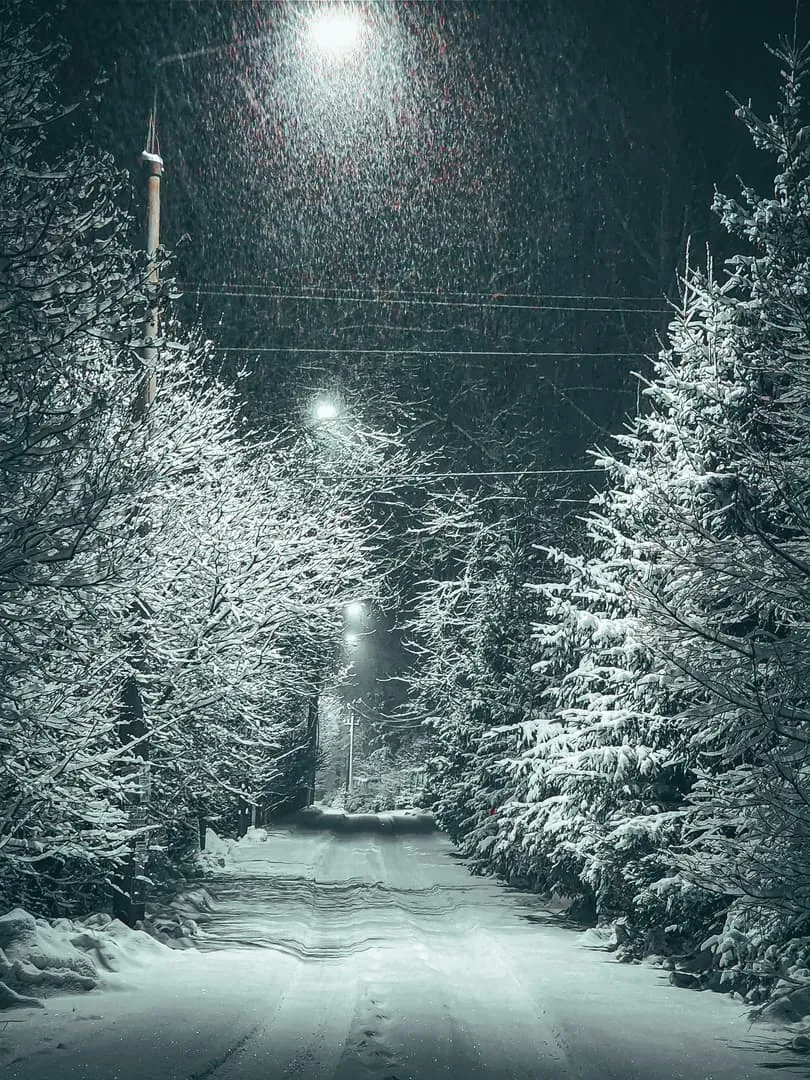
The New Winter Evenings: Why Europe Is Slowing Down After 6 PM (And Why It Saves Energy)
Across Europe, something subtle but powerful is happening as winter deepens. Evenings are getting quieter. Lights are dimmer. Screens are turned off earlier. Meals stretch a little longer, and the pace of life gently slows after 6 PM. This is not nostalgia or retreat — it is adaptation. Rising energy costs, mental fatigue, and a growing awareness of wellbeing are pushing households to rethink how they spend winter evenings. And in doing so, many are discovering an unexpected benefit: slower evenings naturally reduce energy use. This article explores why Europe’s winter evenings are changing, how these new rhythms affect energy consumption, and why slowing down after sunset may be one of the most sustainable habits of the season.
1. The end of hyperactive winter evenings
For years, winter evenings often followed the same pattern: bright lights, multiple screens, late dinners, constant stimulation. This lifestyle consumed energy — electric, mental and emotional.
Today, many Europeans are stepping away from that model. Shorter days and darker evenings invite a pace closer to natural rhythms: calmer, simpler, and less demanding.
2. Why evenings matter so much for energy
Evening hours concentrate energy use. This is when most homes stack multiple needs at once:
- lighting peaks
- screens multiply
- heating demand rises
- appliances run simultaneously
Small behavioural changes during these hours often have a disproportionate impact on total daily energy consumption.
3. From productivity to presence: the psychological shift
Winter fatigue is increasingly recognised as a real issue. Continuous stimulation keeps the nervous system active long after sunset.
Slower evenings — reading, conversation, light movement — reduce stress and support better sleep quality. Better sleep, in turn, tends to shorten late-night electricity and heating use.
4. Less screen time, less energy
Screens are not only digital drains — they are energetic ones. Televisions, computers, gaming consoles, speakers and chargers all add up.
Reducing screen use after dinner lowers evening electricity demand. It also makes it easier to accept dimmer lighting, earlier bedtimes, and quieter routines.
5. Softer light, shorter nights
Lighting shapes behaviour. Softer, warmer light encourages calm and signals the body to slow down.
Households switching to warm, layered lighting often shorten their active evening window without feeling restricted.
Read also: Europe’s winter light reset: smarter lighting for energy and wellbeing
6. Earlier dinners, longer calm
Across Europe, winter dinners are moving earlier. This shift can help:
- reduce late-night cooking energy
- limit kitchen lighting use
- improve digestion and sleep
Calm evenings often start with intentional meals — and end with fewer hours of active energy use.
7. The return of simple evening rituals
In many homes, winter rituals are re-emerging:
- reading
- quiet music
- journaling
- board games
- stretching or gentle yoga
These activities consume minimal energy while offering emotional warmth. They also replace higher-energy defaults like continuous streaming and background screens.
8. Heating less without feeling cold
Slower evenings often come with more intentional comfort habits:
- layered clothing
- blankets and throws
- zoned heating (only where you are)
When activity slows, heating can become more targeted — and often lower.
For the broader winter heating context, see: The rise of the 15°C home: Europe’s winter heating shift
9. Social norms are changing
Leaving events earlier, declining late invitations and valuing rest is becoming more socially acceptable.
This cultural shift supports both wellbeing and energy sobriety. A calmer evening is no longer seen as a lack of ambition — but as a new form of balance.
10. Your winter comfort cluster
If you want a coherent winter lifestyle and savings cluster, these articles work well together:
Frequently Asked Questions
Do slower evenings really reduce energy use?
Yes. Reduced lighting, fewer screens and lower heating demand can significantly cut evening energy consumption.
Is this about giving things up?
No. It’s about choosing calmer, lower-energy activities that still feel fulfilling.
Conclusion: Europe’s new winter evenings are not about doing less — they are about doing differently. By slowing down after sunset, households are reducing energy use, improving sleep and reclaiming a sense of calm that modern winters had almost erased. In a season defined by darkness, this quieter rhythm may be one of the brightest sustainability shifts of all.
About the author:
Julien Maurice is the founder of AdminLanding and writes the editorial guides on GreenDailyFix covering French renovation aid, energy policy, and the administrative side of the energy transition. Contact: [email protected]
Related posts
Most People Aren’t Failing at Sustainable Living — They’re Just Optimising the Wrong Things
If sustainable living feels harder than it should, there’s a reason — and it has nothing to do with laziness or lack of care. In 2026, many people aren’t doing too little for the planet. They’re simply spending their energy on choices that barely move the needle.
If You Want to Live More Sustainably in 2026, Stop Doing More — Start Choosing What to Ignore
After years of advice telling us to optimise everything, many people reach the same conclusion: sustainable living feels like constant self-surveillance. In 2026, the most effective green shift is not about adding new rules, but about consciously deciding what no longer deserves your energy.
Why Sustainable Living Feels Exhausting - And How to Build a Green Life You Can Actually Maintain
Many people do not quit sustainable living because they do not care. They quit because it is exhausting. Too many rules. Too many contradictions. Too much pressure to do everything right, all the time. In 2026, this quiet fatigue has a name - and it is one of the biggest obstacles to real environmental progress.

Your Laundry Might Be Polluting More Than Your Car: The Microplastic Problem at Home
Every time you wash your clothes, thousands of microscopic plastic fibres are released into water systems. In 2026, scientists agree: laundry is one of the largest sources of microplastic pollution — and it happens quietly, at home.