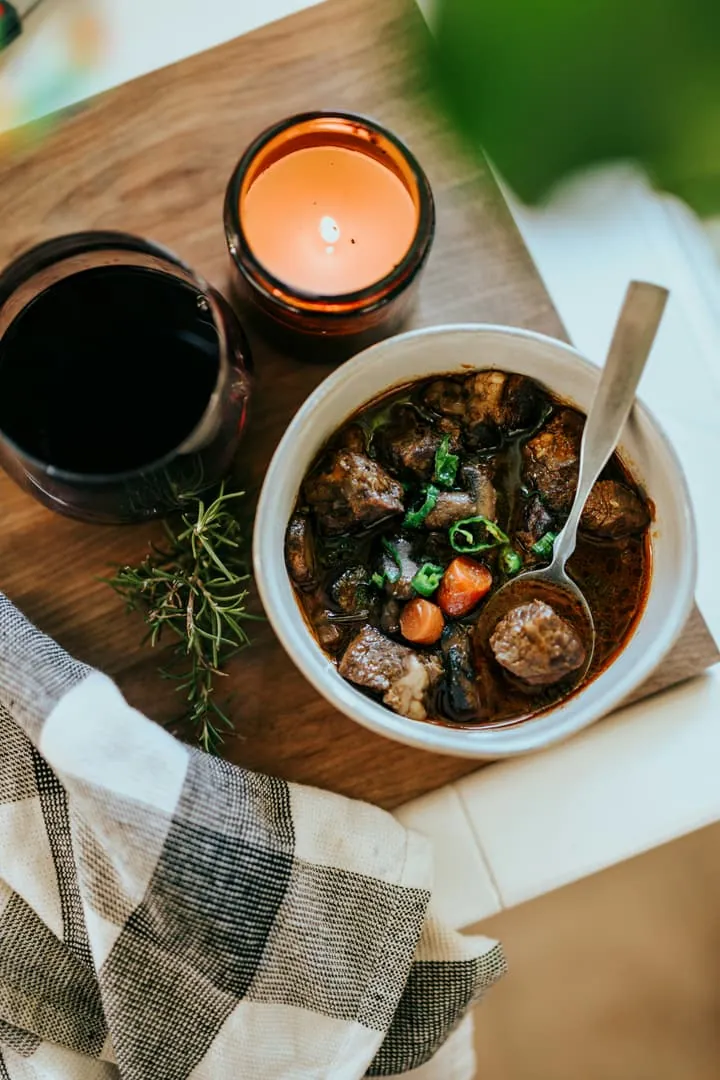
Winter Food That Heats Without Heating: How Europeans Are Cooking Smarter to Stay Warm
As energy costs continue to shape winter life across Europe, many households are discovering an unexpected source of warmth: food. Not in the metaphorical sense, but quite literally. What we cook, how we cook, and when we cook can influence how warm we feel — and how much heating we actually need. Across Europe, winter kitchens are changing. Slow-cooked stews replace quick meals, ovens are used strategically, and warm foods become part of a broader energy-conscious lifestyle. This is not about austerity or restriction. It’s about rediscovering something older, deeper, and surprisingly effective: using food as thermal comfort. This article explores how Europeans are cooking smarter in winter — and why these habits can reduce energy use, improve wellbeing, and make cold days more bearable.
1. Food as thermal comfort: a forgotten winter skill
For centuries, food was part of staying warm. Before central heating, many winter routines revolved around hot broths, porridges, baked dishes, and long-simmering stews. Modern heating made that logic feel unnecessary — but rising energy costs are bringing it back.
Warm meals support thermal comfort in three ways:
- they raise core temperature and circulation
- they create a lasting sense of comfort that can reduce the urge to turn up the thermostat
- they often add gentle residual heat to the home through cooking
2. Why winter cooking habits matter more than ever
Winter cooking affects energy use on two fronts: the energy you consume for cooking itself, and the indirect impact on heating demand.
When warm meals become a routine, many households find it easier to tolerate a slightly cooler home — especially when combined with good habits like layered clothing and smarter lighting.
Read also: Europe’s winter light reset: smarter lighting for energy and wellbeing
3. The return of slow cooking across Europe
Slow cooking is making a comeback. Stews, soups, legumes, and long-simmered vegetables dominate winter menus again. These dishes are not only comforting and nutritious — they are often energy-efficient when prepared with the right tools.
A slow cooker, a pressure cooker, or a heavy-lidded pot can turn small amounts of heat into hours of gentle cooking. The key is heat retention.
4. Soups, broths, and the science of warmth
Liquids transmit heat quickly. A bowl of soup raises body temperature faster than many solid meals, creating immediate warmth. That is one reason soups appear in nearly every winter cuisine across Europe — from French potage to Polish barszcz and Italian minestrone.
If you want to push the comfort effect further, serve soup hot, eat slowly, and pair it with whole grains or legumes for longer-lasting satiety.
5. The oven as a strategic winter tool
Using the oven in winter is not necessarily wasteful if you plan it. Baking bread, roasting vegetables, or preparing a casserole releases heat into the home, often in the late afternoon when comfort matters most.
A simple strategy is to batch-cook: use the oven once and prepare multiple trays or dishes. You can then reheat quickly later without repeating a full cooking cycle.
6. Low-energy cooking tools gaining popularity
Modern winter kitchens increasingly rely on tools designed to reduce energy use:
- slow cookers
- pressure cookers
- thermal pots
- insulated kettles
Read also: Zero-waste winter cooking
7. Nutrition, metabolism, and staying warm
Your body generates heat through thermogenesis. In practice, winter meals that include complex carbohydrates, healthy fats, and proteins tend to support longer-lasting warmth and satiety.
Seasonal staples like root vegetables, oats, lentils, and fermented foods can be both affordable and climate-friendly when sourced locally.
8. Build your winter comfort cluster (internal links)
If you are working on winter comfort with less energy, these reads pair well together:
Frequently Asked Questions
Can food really replace heating?
No. But warm food can reduce the need for higher heating levels by improving thermal comfort.
Is slow cooking energy efficient?
Often, yes. Slow cookers and pressure cookers can use less energy than a long oven cycle, especially for stews and legumes.
Conclusion: Europe’s winter energy transition is not happening only through technology or regulation — it is unfolding quietly in kitchens. By rediscovering the warming power of food, households can reduce heating demand, improve comfort, and reconnect with slower, more resilient winter rhythms.
About the author:
Julien Maurice is the founder of AdminLanding and writes the editorial guides on GreenDailyFix covering French renovation aid, energy policy, and the administrative side of the energy transition. Contact: [email protected]
Related posts
The Winter Home Problem Nobody Talks About: Humidity, Mould, and the Air You’re Breathing
Every winter, we seal our homes to keep warmth in — and trap something else inside. Humidity rises, air stagnates, and invisible pollutants accumulate. In 2026, indoor air quality is becoming one of the most overlooked health issues in European homes.

From Optimisation to Protection: Why European Homes Are Redefining Energy Strategy in 2026
For years, energy advice focused on optimisation: better efficiency, higher performance, maximum savings. In 2026, European households are quietly changing priorities. The new goal is not perfection - it is protection.

The Illusion of Energy Stability: Why Europe's 2026 Calm Is Costing Households More Than They Think
For the first time in years, Europe entered winter without an energy shock. No dramatic price surge. No emergency headlines. And yet, something more dangerous is happening quietly: households are mistaking stability for safety.

Europe’s Winter Wake-Up Call: The Hidden Energy Decisions Millions of Homes Will Regret Delaying in 2026
This winter, Europe didn’t freeze — but something else happened quietly. Millions of households realized that energy problems no longer arrive as shocks. They arrive as slow, expensive regrets. Winter 2026 isn’t about panic. It’s about the cost of waiting.