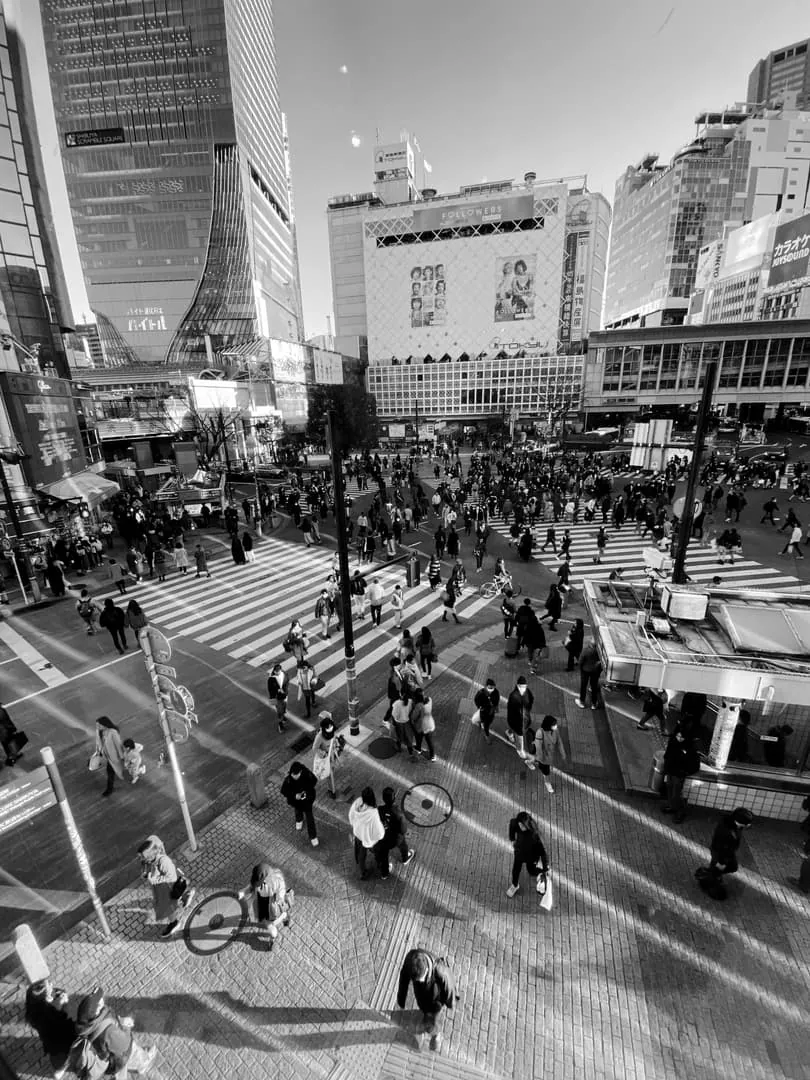
The Green Travel Boom: How Europeans Are Reinventing Winter Holidays with Trains, Markets & Low-Carbon Escapes (2025–2026)
Winter 2025–2026 marks a profound shift in how Europeans choose to travel. With rising climate awareness, new EU mobility incentives, pressure on airlines to decarbonise, and the renewed popularity of Christmas markets and winter city breaks, a new trend is taking over: the Green Travel Boom. This transformation is not driven by guilt or restriction — it is driven by a growing desire for cleaner, calmer, more meaningful journeys. People are swapping short-haul flights for scenic train routes, choosing car-free cities, exploring local winter destinations, and discovering that low-carbon travel can be not only sustainable, but luxurious, relaxing and deeply enjoyable. This article explores how winter travel is being reinvented — and how you can experience it yourself.
1. Why low-carbon winter travel is surging in 2025
Several forces are pushing Europe toward greener winter travel in 2025–2026.
Key drivers include:
- rising flight prices due to new EU carbon fees and fuel costs;
- airport fatigue linked to delays, security queues and crowded terminals;
- EU green mobility goals for 2026–2030, which clearly favour rail over air;
- winter energy awareness, as households connect their travel choices to their overall carbon budget;
- the resurgence of Christmas markets and winter city tourism, which work perfectly with rail and urban mobility.
The result is a cultural shift: travel is no longer only about speed, but about experience.
This new mindset mirrors Europe’s Slow Winter Movement: comfort, presence and intention instead of rushing from airport to airport.
2. Trains are becoming the winter travel heroes
Across Europe, train travel is booming — particularly in winter.
Why travellers are choosing rail over short-haul flights:
- no rigid cabin luggage limits and fewer surprise fees;
- boarding in minutes, not hours;
- comfortable seats and cabins with panoramic windows;
- heat-efficient, low-carbon journeys compared to planes or solo driving;
- city-centre to city-centre routes that avoid expensive airport transfers.
New or strengthened winter routes for 2025–2026 include, for example:
- Paris → Salzburg (night train);
- Brussels → Copenhagen;
- Zurich → Prague;
- Milan → Munich (extended winter service);
- Vienna → Transylvania (seasonal line).
Night trains in particular are exploding in popularity because they combine transport, accommodation and experience in a single ticket. For background on how greener mobility is changing habits more broadly, see Greener travel habits 2025.
3. The rise of no-fly Christmas market trips
One of the strongest winter trends is the no-fly Christmas market escape. Thanks to expanded rail networks and better cross-border timetables, many of Europe’s most famous markets are now comfortably reachable by train alone.
Some of the most popular no-fly combinations include:
- Paris → Strasbourg (around 1 h 50);
- Paris → Cologne (around 3 h 20);
- Brussels → Aachen (around 1 h 10);
- Lille → London (around 1 h 22 via Eurostar);
- Amsterdam → Düsseldorf (around 2 h 15).
Instead of spending hours in security lines, travellers can read, work or simply watch the landscape as they glide from city to city. The journey becomes part of the Christmas experience. For deeper inspiration, you can pair this article with our guide to the best Christmas markets in Europe 2025.
4. Europe’s ‘green winter cities’ leading the movement
Certain European cities are becoming icons of green winter travel, thanks to strong public transport, walkable centres and ambitious climate policies.
Examples often cited by sustainable travel experts include:
Vienna, Austria
- stunning Christmas markets powered increasingly by renewable energy;
- a largely car-free historic centre;
- a dense network of eco-certified hotels and cafés.
Copenhagen, Denmark
- some of the world’s cleanest winter cycling routes;
- hygge cafés on almost every corner;
- ambitious low-emission zones across the city.
Strasbourg, France
- LED-powered Christmas decorations with controlled timings;
- zero-waste and reuse initiatives during the market season;
- a compact old town that is easy to visit on foot or by tram.
Zurich, Switzerland
- fully electrified public transport;
- energy-efficient Christmas lighting;
- popular winter lake saunas and wellness rituals.
Munich, Germany
- fast, reliable regional trains to surrounding markets;
- reusable Glühwein cups with deposit systems;
- bio-certified food stalls at many events.
In all of these cities, the focus is the same: a Christmas experience with a lower footprint and higher quality of life.
5. Eco-hotels: warm, beautiful and low-impact
Winter eco-stays are no longer niche. From boutique guesthouses to business hotels, more properties are investing in low-carbon comfort.
When you book, look for signs such as:
- renewable or efficient heating (heat pumps, biomass, district heating);
- double- or triple-glazed windows;
- well-insulated roofs and façades;
- local, seasonal breakfasts with vegetarian options;
- clear recycling and composting systems;
- natural materials such as wood, stone and wool.
In 2025, sustainability is not rustic — it is increasingly premium. Many of the same renovation principles appear in our guides on Europe’s 2026 eco-renovation wave and EU eco-renovation plan 2026: winter bills explained.
6. Winter train journeys worth planning
Some rail journeys are becoming winter classics in their own right. Here are a few low-carbon routes worth adding to your list.
1. The Alpine Snow Route Zurich → Innsbruck → Salzburg Snowy mountains, cosy towns and spectacular views from the window.
2. The Nordic Winter Line Stockholm → Åre → Trondheim Frozen lakes, pine forests and warm railway cabins.
3. The Christmas Market Express Paris → Stuttgart → Munich Three countries, dozens of markets, one rail ticket.
4. The Adriatic Winter Journey Ljubljana → Trieste → Venice Sea air, winter sun and Italian food culture.
5. The Central European Night Train Vienna → Kraków → Warsaw Night-time landscapes, shared compartments and breakfast on arrival.
These routes are trending strongly on travel platforms and social media, but they also fit perfectly with long-term climate goals.
7. How to plan a low-carbon winter trip (step by step)
Planning a low-carbon winter escape is less complicated than it looks.
Step 1: Choose a rail-friendly destination Pick cities with strong train links such as Strasbourg, Munich, Vienna, Zurich or Copenhagen.
Step 2: Book eco-certified accommodation Look for labels such as the EU Ecolabel or Nordic Swan, or check if the hotel publishes an environmental charter.
Step 3: Pack light and warm Merino layers, waterproof boots, a warm coat, a reusable water bottle and a reusable mug for hot drinks.
Step 4: Plan activities with low transport needs Favour walkable old towns, museums, ice skating, markets and local parks over long taxi rides.
Step 5: Use trains for day trips Regional lines are often cheap, scenic and reliable in winter. A short train ride can unlock mountains, lakes or nearby cities without renting a car.
These steps align closely with the energy-aware routines we explore in Europe’s 2025–2026 winter energy crunch.
8. What not to do: high-impact winter travel traps
Green travel is also about what you avoid. Common high-impact traps include:
- flying short-haul when a 2–3 hour train exists;
- staying in poorly insulated hotels that waste heat;
- relying on taxis instead of trams, metros or bikes;
- buying plastic, disposable souvenirs;
- eating in tourist-only restaurants with heavily imported produce;
- booking several distant mini-breaks instead of one longer, slower trip.
Your footprint — and your wallet — will thank you for steering clear of these habits. For more ideas on low-impact routines, see Winter 2025: stay warm, waste less and Reducing stress with green routines.
9. The psychology of green travel: why it feels better
Research on travel and wellbeing shows that slower, lower-carbon trips often create:
- lower stress levels;
- more vivid memories;
- a stronger sense of connection with place;
- a clearer sense of purpose.
When you swap airport sprints for train journeys, you regain time to read, talk, look out of the window or simply rest. This is the same emotional logic as the Slow Winter Movement and slow living for deeper connection: less noise, more meaning.
10. How Europe is making green travel cheaper
The Green Travel Boom is not only cultural; it is also policy-driven. The EU and national governments are gradually making sustainable mobility more affordable.
Current and upcoming measures include:
- reduced VAT on rail tickets in several countries;
- subsidies for night trains and cross-border rail projects;
- promotional winter rail passes;
- better coordination of timetables across borders;
- investments in new high-speed and regional lines.
By 2026, many short-haul flights are expected to be far less competitive on price and convenience for trips under 1 000 km. These transport policies sit alongside home-focused reforms such as Europe’s 2026 eco-renovation wave and France’s 2026 heat pump market shift.
11. Low-carbon winter nature escapes
Green travel is not only about cities and markets. Many travellers are using trains to reach quieter winter landscapes without renting a car.
Trending low-carbon escapes include:
- winter cabins in Slovenia accessible by regional rail plus shuttle;
- Finnish sauna and cold-dip experiences reachable by night train;
- Swiss alpine lake walks from Zurich, Lucerne or Lausanne;
- Scottish Highlands journeys by train from Edinburgh or Glasgow;
- Pyrenees snowshoeing trips connected by rail from Toulouse or Barcelona.
When you combine trains with local shuttles or on-demand buses, you can access wild places while keeping your footprint low. For more outdoor inspiration, revisit Cycling through autumn.
12. Christmas markets with eco credentials
Some Christmas markets go further than others in terms of sustainability. Among the often-cited leaders are:
Basel, Switzerland
- 100% LED lighting;
- reusable cups;
- strong zero-waste craft culture.
Freiburg, Germany
- markets powered largely by local renewables;
- organic and fair-trade Glühwein options.
Strasbourg, France
- major efforts to reduce energy use;
- low-impact decorations and strict safety rules.
Vienna, Austria
- eco-certified food stalls;
- clear waste-sorting stations.
Copenhagen, Denmark
- focus on wooden toys, recycled crafts and local foods.
If you want more detail on specific destinations, our article on the best Christmas markets in Europe 2025 is a good companion to this guide.
Frequently Asked Questions
Is low-carbon travel always more expensive?
No. Train prices have dropped on many routes thanks to EU mobility incentives and growing competition. Booking early, avoiding peak days and using rail passes often makes green travel cheaper than flying.
What is the best way to travel Europe without flying?
Trains are usually the best option: high-speed lines between major cities, an expanding network of night trains and scenic regional routes for shorter hops. Coaches can complement rail on certain routes.
Are eco-hotels actually better for the environment?
Yes — provided they meet serious standards. Certified eco-stays use renewable or efficient heating, reduce waste, serve local food and maintain lower energy consumption, all while keeping comfort high.
Which Christmas markets are most eco-friendly?
Basel, Freiburg, Strasbourg, Vienna and Copenhagen are frequently highlighted for their sustainable lighting, zero-waste initiatives and locally sourced foods.
How can I reduce emissions when travelling in winter?
Choose trains over planes whenever possible, book eco-certified accommodation, eat local seasonal food, avoid unnecessary taxi rides, pack light and favour destinations with strong public transport.
Conclusion: Europe’s Green Travel Boom is more than a trend — it is becoming a cultural shift. As travellers seek comfort, authenticity and lower-impact ways to explore, winter 2025–2026 marks the beginning of a new era in European travel. Scenic rail journeys replace airport queues, eco-markets replace mass-tourist hubs, and low-carbon hotels replace wasteful city stays. Whether you are planning a Christmas market escape, a snowy mountain retreat or a cosy winter city break, sustainable travel offers something richer: slower experiences, deeper connection and a lighter footprint. This winter, Europe is proving that the greenest journey can also be the most magical.
About the author:
Julien Maurice is the founder of AdminLanding and writes the editorial guides on GreenDailyFix covering French renovation aid, energy policy, and the administrative side of the energy transition. Contact: [email protected]
Related posts
Most People Aren’t Failing at Sustainable Living — They’re Just Optimising the Wrong Things
If sustainable living feels harder than it should, there’s a reason — and it has nothing to do with laziness or lack of care. In 2026, many people aren’t doing too little for the planet. They’re simply spending their energy on choices that barely move the needle.
If You Want to Live More Sustainably in 2026, Stop Doing More — Start Choosing What to Ignore
After years of advice telling us to optimise everything, many people reach the same conclusion: sustainable living feels like constant self-surveillance. In 2026, the most effective green shift is not about adding new rules, but about consciously deciding what no longer deserves your energy.

Why Sustainable Living Feels Exhausting - And How to Build a Green Life You Can Actually Maintain
Many people do not quit sustainable living because they do not care. They quit because it is exhausting. Too many rules. Too many contradictions. Too much pressure to do everything right, all the time. In 2026, this quiet fatigue has a name - and it is one of the biggest obstacles to real environmental progress.

Your Laundry Might Be Polluting More Than Your Car: The Microplastic Problem at Home
Every time you wash your clothes, thousands of microscopic plastic fibres are released into water systems. In 2026, scientists agree: laundry is one of the largest sources of microplastic pollution — and it happens quietly, at home.