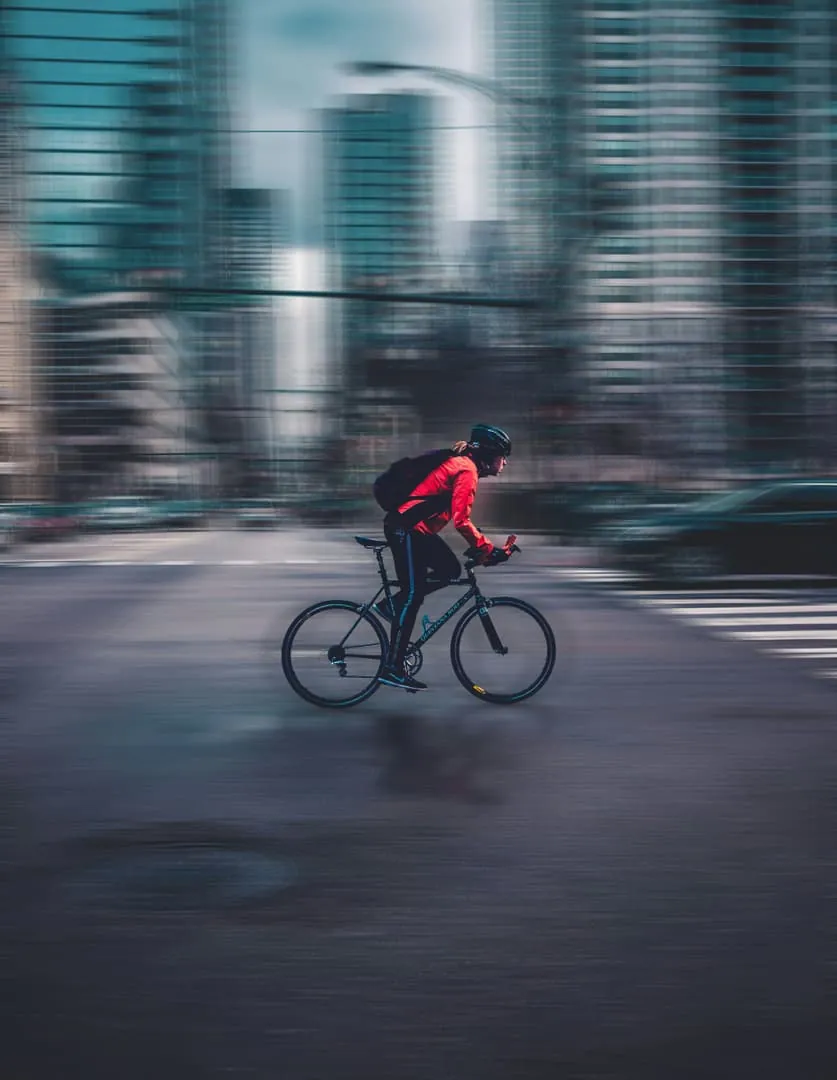
Cycling through autumn: how Europeans keep riding safely and sustainably
October often marks the end of easy summer rides: rain, wind, shorter days. Yet across Europe, many cyclists keep riding — whether commuting to work or enjoying weekend rides. The key is adapting gear and habits to stay both safe and comfortable.
See and be seen
With darkness falling earlier, lighting becomes non-negotiable. A white front light and red rear light are mandatory in most European countries. Investing in rechargeable LEDs visible from 100 meters makes a huge difference. Reflective clothing or even a simple armband can also be life-saving.
Gear up for the rain
A cycling poncho or lightweight rain jacket keeps you dry without overheating. Mudguards are often overlooked, but they prevent the classic soaked trousers problem. In northern Europe, waterproof overshoes and gloves are increasingly popular to extend the riding season.
Adjust your riding style
Fallen leaves and wet cobblestones can be treacherous. Braking gently and anticipating turns is key. Keeping tire pressure slightly lower improves grip. Many city riders also choose well-lit main routes over darker shortcuts during autumn.
Bike care in autumn
Rain and humidity speed up rust and wear. Wiping the chain after each ride and oiling weekly extends its life. Regularly checking brakes and tires is crucial: a worn brake on a wet road can be a real hazard.
Conclusion: Cycling through autumn doesn't require heroics, just preparation. Good lights, the right clothes, and careful riding keep it safe, affordable, and sustainable — even as the days grow shorter. For more ways to reduce stress with green routines, read our guide on reducing stress through eco-friendly habits.
About the author:
Julien Maurice is the founder of AdminLanding and writes the editorial guides on GreenDailyFix covering French renovation aid, energy policy, and the administrative side of the energy transition. Contact: [email protected]
Related posts
Most People Aren’t Failing at Sustainable Living — They’re Just Optimising the Wrong Things
If sustainable living feels harder than it should, there’s a reason — and it has nothing to do with laziness or lack of care. In 2026, many people aren’t doing too little for the planet. They’re simply spending their energy on choices that barely move the needle.
If You Want to Live More Sustainably in 2026, Stop Doing More — Start Choosing What to Ignore
After years of advice telling us to optimise everything, many people reach the same conclusion: sustainable living feels like constant self-surveillance. In 2026, the most effective green shift is not about adding new rules, but about consciously deciding what no longer deserves your energy.

Why Sustainable Living Feels Exhausting - And How to Build a Green Life You Can Actually Maintain
Many people do not quit sustainable living because they do not care. They quit because it is exhausting. Too many rules. Too many contradictions. Too much pressure to do everything right, all the time. In 2026, this quiet fatigue has a name - and it is one of the biggest obstacles to real environmental progress.

Your Laundry Might Be Polluting More Than Your Car: The Microplastic Problem at Home
Every time you wash your clothes, thousands of microscopic plastic fibres are released into water systems. In 2026, scientists agree: laundry is one of the largest sources of microplastic pollution — and it happens quietly, at home.