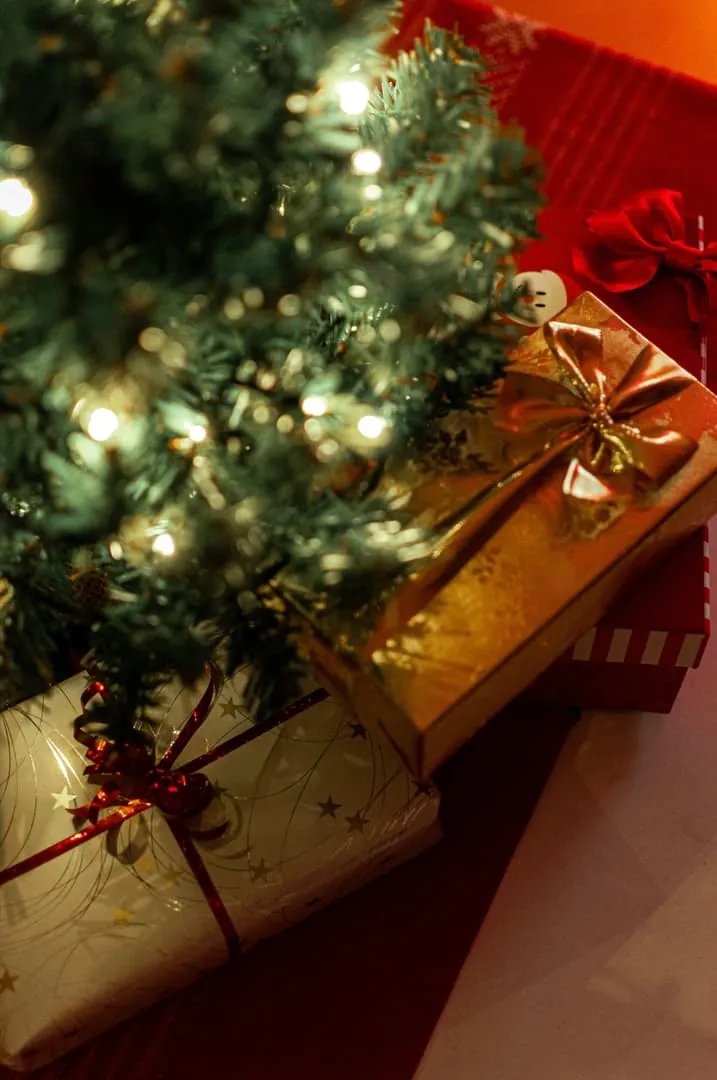
The Ultimate 2025 Sustainable Christmas Gift Guide: Zero-Waste, Ethical, Durable & Actually Wanted
Every December, millions of people search for the same thing: meaningful Christmas gifts that will not end up forgotten, unused or in the bin by mid-January. But in 2025, sustainability is no longer a niche lifestyle choice — it is mainstream. People now expect gifts that are useful, durable, ethically made and environmentally responsible. Yet the market is crowded with products claiming to be "eco", "green" or "sustainable" without any real substance behind the label. This guide cuts through the noise. Based on long-term trends, life-cycle impact, real consumer preferences and low-waste principles, here are some of the very best sustainable Christmas gifts of 2025: gifts people actually want, use and appreciate. No greenwashing. No guilt. Just genuinely good ideas.
1. Why sustainable gifting matters in 2025
Consumers today are tired of cheap novelty products, plastic-heavy packaging, fast-fashion gift boxes and tech gadgets that fail after a year. Surveys across Europe show that around 72% of households prefer fewer gifts but higher quality, and over half say they actively try to avoid waste during the holidays. This shift is driven not just by environmental awareness but also by rising living costs and a growing desire for simplicity. A well-chosen sustainable gift is not only eco-conscious but also financially smart — it lasts longer, replaces disposable habits and brings real value.
This aligns closely with the GreenDailyFix ethos: low-impact living that feels good, looks good and improves everyday wellbeing.
2. How to choose a truly sustainable gift (without greenwashing)
Before listing specific ideas, it helps to use a simple five-rule framework for picking genuinely sustainable gifts in 2025. Ask yourself:
- Useful: will the person actually use it regularly?
- Durable: is it built to last 5–10 years or more?
- Repairable: can parts be replaced or fixed easily?
- Low-waste: is it packaged responsibly, refillable or reusable?
- Ethical: are labour conditions, materials and sourcing transparent?
If a product clearly fails more than two of these rules, it is usually better to skip it.
3. The 2025 list: sustainable gift ideas people actually want
Below are some of the strongest categories and specific gift ideas that meet the criteria above and work well for different personalities and budgets.
3.1. For home lovers: warmth, comfort and low energy
With winter energy pressures highlighted in our article on Europe’s winter energy crunch 2025–2026, gifts that improve comfort without exploding bills are especially relevant.
Ideas:
- weighted linen blankets (long-lasting, biodegradable, excellent for cold nights);
- organic cotton bedsheets (preferably GOTS-certified);
- ceramic diffusers used with natural essential oils;
- LED candle sets (1–2 W consumption, safe and reusable);
- reusable hot water bottles made from natural rubber.
These options are ideal for people trying to reduce heating use while staying cosy. For complementary inspiration, see also Low-energy Christmas lights and eco decorations 2025 and Winter 2025: stay warm, waste less.
3.2. For the eco-minimalist: simple, elegant, waste-free
Some people prefer clean aesthetics and minimal clutter — for them, one beautiful, durable object beats five small gadgets.
Ideas:
- high-quality stainless-steel water bottles with lifetime guarantees;
- recycled-glass carafes or candle holders;
- organic cotton loungewear in neutral colours;
- refillable notebooks (for example with stone or recycled paper);
- digital magazine or newspaper subscriptions (zero physical waste).
This kind of gifting pairs naturally with decluttering routines and calmer homes, themes we explore in Declutter before winter and Slow living: deeper love.
3.3. For foodies and kitchen enthusiasts
Eco-friendly gifting can be delicious and practical at the same time.
Ideas:
- local artisan hampers (cheese, herbal teas, spices, biscuits);
- extra-virgin olive oil in refillable glass bottles;
- bamboo cutting boards or long-lasting wooden utensils;
- cast iron cookware that can last for decades;
- sourdough starter kits or bread-baking tools.
For a fun twist, create zero-waste recipe jars, with ingredients layered beautifully in a reusable glass container. For more inspiration on low-waste cooking, see Cutting food waste and Zero-waste autumn cooking.
3.4. For tech lovers: durable, repairable, upgradable
Not all tech is wasteful — 2025 has much more sustainable options than a decade ago.
Ideas:
- modular smartphones such as Fairphone or sustainable modular earbuds;
- portable solar chargers for phones and small devices;
- refurbished tablets or laptops from certified sellers;
- smart plugs that help cut standby consumption;
- high-quality wired or wireless headphones refurbished instead of new.
Refurbished devices are one of the best low-impact tech gifts: lower cost, lower footprint and similar performance for everyday use. This mindset also underpins our piece on Green Friday 2025: the sustainable alternative.
3.5. For kids: joy without plastic overload
Children do not need endless toys — they need good, imaginative toys that can be shared, repaired and resold.
Ideas:
- wooden construction toys (FSC-certified where possible);
- second-hand LEGO sets, which are easy to buy used;
- craft boxes with natural materials (felt, wool, wood);
- storybooks printed on recycled or FSC-certified paper;
- experience gifts like zoo tickets, museum passes or pottery workshops.
A simple approach that works well is to combine one main gift with one shared experience — children often remember moments more than objects.
3.6. For teenagers: gifts they actually use
Teenagers can be harder to buy for, but focusing on their everyday habits helps.
Ideas:
- refurbished wireless headphones or audio equipment;
- ethically made hoodies or outerwear;
- digital creation tools (music software licences, drawing tablets);
- eco-friendly phone accessories (bioplastic cases, braided charging cables);
- instant cameras with refillable paper or reusable film systems.
Where possible, ask directly what they would enjoy — a short conversation often avoids wasteful last-minute purchases.
3.7. For remote workers: practical and sustainable
With remote and hybrid work still prevalent across Europe in 2025, useful home-office gifts can make a big difference.
Ideas:
- reusable thermal mugs that fit under most coffee machines;
- blue-light-filtering glasses for screen-heavy days;
- minimalist desk lamps using micro-LEDs;
- ergonomic seat cushions made from recycled or natural foam;
- desk plants in terracotta pots to improve air quality and focus.
These gifts support everyday wellbeing rather than adding clutter. For a wider view on making home working spaces more efficient and comfortable, see Autumn home energy: prepare your home before winter.
3.8. For travellers: light, useful and eco-conscious
For frequent or aspiring travellers, the best gifts are compact, robust and low-waste.
Ideas:
- compact solar power banks;
- refillable travel-size containers for toiletries;
- packable recycled backpacks or weekend bags;
- train passes (regional or cross-border) instead of short-haul flights where possible;
- stainless-steel travel cutlery and reusable lunch kits.
These gifts pair especially well with low-carbon journeys. For more ideas, see Greener travel habits 2025.
4. Zero-waste wrapping: make gifts beautiful without the trash
Typical wrapping paper often contains plastic coatings or glitter that make it non-recyclable. Fortunately, there are elegant alternatives that look better and create far less waste.
Ideas:
- fabric wraps inspired by Japanese furoshiki (cotton or linen);
- kraft paper with natural twine or reusable ribbon;
- dried orange slices, rosemary or cinnamon sticks as decoration;
- reusable cloth gift bags that become part of the present.
These small touches make your gifts instantly more refined — and more sustainable.
5. The most sustainable gift of all: experiences
Experiences often create deeper joy than objects, especially for people who already own a lot of things.
Ideas:
- cooking classes or seasonal recipe workshops;
- pottery, ceramics or craft courses;
- concert or theatre tickets;
- local museum or gallery memberships;
- nature retreats or eco-lodges;
- scenic train journeys instead of short flights.
Experiences usually generate fewer emissions and zero clutter — ideal for minimalists or households trying to reduce waste.
6. How to spot fake "eco" gifts (the 2025 red flags)
Not everything labelled "green" or "eco" deserves a place under the tree. Watch out for these warning signs:
- vague labels like "eco-friendly" with no certification or details;
- bamboo–plastic blends that are not actually recyclable;
- low-quality LED gadgets that break after a season;
- so-called "biodegradable glitter" that is rarely compostable;
- "green" packaging claims that refer only to colours, not materials.
If something feels too cheap or too vague for what it promises, it is usually better to skip it and choose a simpler, better-made alternative.
7. How to build a personalised eco gift box
A curated gift box feels thoughtful, personal and tailored to the person you love. It also allows you to support several small brands or local artisans in one go.
Example themes:
- Relaxation box: herbal tea, beeswax candle, linen eye mask;
- Kitchen essentials: wooden utensils, spices, recipe cards;
- Winter wellness: magnesium cream, reusable heat pack, cosy socks;
- Creative box: sketchbook, natural inks, handmade brushes.
Personalisation makes even small gifts feel meaningful — especially when you include a handwritten note explaining why you chose each item.
8. How to make gifts sustainable and stylish
Sustainability and beauty are not opposites. In 2025, premium eco-design is everywhere, from textiles to tableware.
Quick tips:
- prefer neutral colours and natural textures (linen, wood, clay, glass);
- choose artisan-made items over mass-produced ones when budgets allow;
- avoid novelty items that look dated after a year;
- pair gifts with handwritten cards or notes instead of extra trinkets.
Your aim is to create a gift that looks timeless and intentional — an object the recipient will proudly keep on display or use every week.
9. The emotional side of sustainable gifting
Giving sustainably is not about saying "no" to joy — it is about giving better. People tend to love:
- gifts with stories behind them;
- practical tools they will use often;
- well-made accessories that age gracefully;
- experiences they will remember for years;
- items that improve their daily comfort.
Sustainable gifts usually feel warmer, more human and more sincere than last-minute impulse buys. This mirrors the themes we explore in Autumn lighting: cosy evenings with less energy, Winter 2025: stay warm, waste less and Slow living: deeper love.
Frequently Asked Questions
What is the most sustainable Christmas gift?
The most sustainable gift is one that is useful, durable, repairable and genuinely wanted. Experiences, high-quality household items and artisan-made goods are excellent options.
Are second-hand gifts acceptable?
Absolutely. In 2025, second-hand luxury, refurbished tech and vintage items are widely accepted and often appreciated, especially when you explain the story behind them.
What should I avoid buying?
Plastic novelty items, glitter-heavy décor, fast-fashion gift sets, low-quality tech gadgets and anything with vague "eco" claims that are not explained.
How can I wrap gifts sustainably?
Use fabric wraps, kraft paper, natural twine, dried fruits or reusable cloth bags. Avoid metallic or plastic-coated paper and glitter-heavy bows.
Conclusion: A sustainable Christmas gift is not defined by a marketing label but by how it is made, how long it lasts and how much joy it brings. In 2025, it is easier than ever to give gifts that are beautiful, ethical and genuinely useful: from long-lasting home comforts and natural decorations to refurbished devices and meaningful experiences. Choosing sustainable gifts does not mean giving less — it means giving better. The gifts that matter most are those that show thought, respect and care for both the person receiving them and the planet we all share. This holiday season, choose quality over quantity, purpose over clutter and intention over trends. It is one of the surest ways to make Christmas joyful, memorable and genuinely green.
About the author:
Julien Maurice is the founder of AdminLanding and writes the editorial guides on GreenDailyFix covering French renovation aid, energy policy, and the administrative side of the energy transition. Contact: [email protected]
Related posts
Most People Aren’t Failing at Sustainable Living — They’re Just Optimising the Wrong Things
If sustainable living feels harder than it should, there’s a reason — and it has nothing to do with laziness or lack of care. In 2026, many people aren’t doing too little for the planet. They’re simply spending their energy on choices that barely move the needle.
If You Want to Live More Sustainably in 2026, Stop Doing More — Start Choosing What to Ignore
After years of advice telling us to optimise everything, many people reach the same conclusion: sustainable living feels like constant self-surveillance. In 2026, the most effective green shift is not about adding new rules, but about consciously deciding what no longer deserves your energy.
Why Sustainable Living Feels Exhausting - And How to Build a Green Life You Can Actually Maintain
Many people do not quit sustainable living because they do not care. They quit because it is exhausting. Too many rules. Too many contradictions. Too much pressure to do everything right, all the time. In 2026, this quiet fatigue has a name - and it is one of the biggest obstacles to real environmental progress.
Your Laundry Might Be Polluting More Than Your Car: The Microplastic Problem at Home
Every time you wash your clothes, thousands of microscopic plastic fibres are released into water systems. In 2026, scientists agree: laundry is one of the largest sources of microplastic pollution — and it happens quietly, at home.