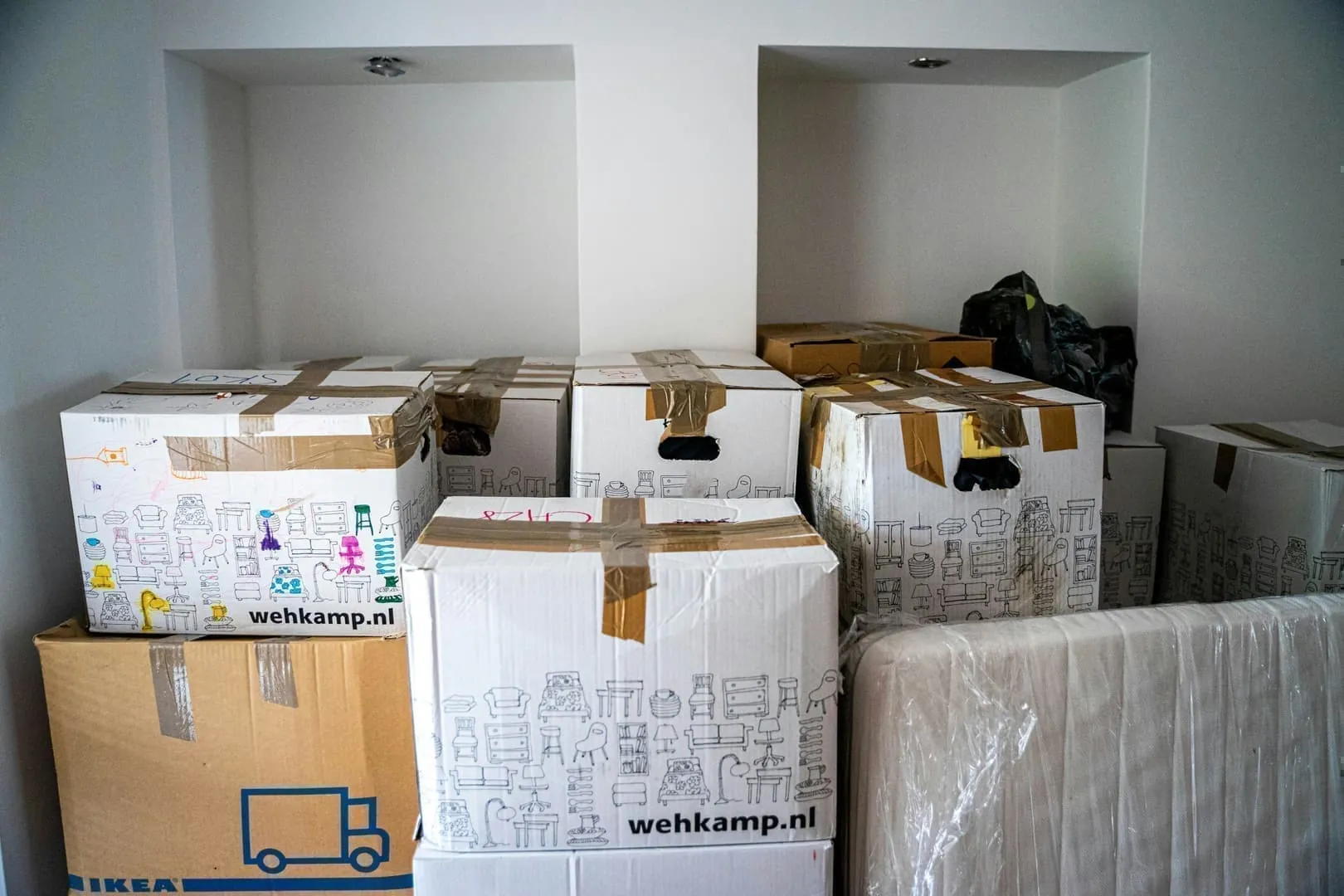
Decluttering before winter: making space in your home and your mind
As days grow shorter, our attention naturally turns indoors. That's when we notice what's piling up — forgotten items, unworn clothes, stacks of paper. Decluttering before winter clears both space and mind. The good news: it doesn't require big budgets or whole weekends.
Start small, but stay consistent
Consistency is key. Fifteen minutes a day works better than a six-hour marathon. Pick one drawer, one shelf, or one box at a time. Sort into three piles: keep, donate, recycle. Within a week you'll see the difference. Repairable items can go to a local repair café or reuse center (see our October 8 article on reusing before recycling). If you live in a flat, scheduling a short daily session before work helps prevent overwhelm.
Let light and energy circulate
Even a small change — moving a sofa, clearing a shelf — can transform how a room feels. Freeing up space near windows lets in more natural light and instantly makes rooms feel larger. Many readers have turned cluttered corners into reading or meditation spaces — a symbolic way to welcome winter calmly. Even in a small flat, breathing space makes a real difference to your mood.
Give everyday objects a second life
Before throwing anything away, think reuse. A stained T-shirt becomes a cleaning rag, a scratched table can be repainted, a glass jar turns into an herb pot. Platforms like Geev, Vinted, or local reuse centers make donating or reselling easy. Many European cities now have give boxes in neighborhoods — drop off or take items freely. Less waste, more sharing.
Prepare for your autumn deep clean
A lighter home is easier to clean. Decluttering is the first step before the autumn deep clean. Removing excess objects reduces dust, improves air quality (see our October 9 article on indoor air quality), and saves time. It's also the perfect way to spot small repairs before winter — window seals, plugs, or wobbly furniture (check our winter home preparation guide).
Frequently asked questions
How long does it take to declutter a whole home?
Using the 15-minute-a-day method, most households manage to declutter main rooms within three to four weeks. The goal isn't perfection, but smoother daily life.
What about sentimental items?
Don't force yourself to throw them away. Set them aside and wait a few days — attachment often fades with time. Taking a photo before parting with an item helps preserve the memory without keeping the clutter.
How can I motivate family members to join?
Turn it into a game — timer on, music playing, shared goal. Start with your own belongings to set an example. Positive energy spreads fast, especially when results show quickly.
Conclusion: Decluttering is more than tidying up — it's giving meaning back to the space you live in. A clear home supports a calm mind and naturally prepares you for winter. Across Europe, more households are choosing this voluntary simplicity — not out of pressure, but for comfort.
Frequently asked questions
How long does it take to declutter a whole home?
Using the 15-minute-a-day method, most households manage to declutter main rooms within three to four weeks. The goal isn't perfection, but smoother daily life.
What about sentimental items?
Don't force yourself to throw them away. Set them aside and wait a few days — attachment often fades with time. Taking a photo before parting with an item helps preserve the memory without keeping the clutter.
How can I motivate family members to join?
Turn it into a game — timer on, music playing, shared goal. Start with your own belongings to set an example. Positive energy spreads fast, especially when results show quickly.
About the author:
Julien Maurice is the founder of AdminLanding and writes the editorial guides on GreenDailyFix covering French renovation aid, energy policy, and the administrative side of the energy transition. Contact: [email protected]
Related posts
Most People Aren’t Failing at Sustainable Living — They’re Just Optimising the Wrong Things
If sustainable living feels harder than it should, there’s a reason — and it has nothing to do with laziness or lack of care. In 2026, many people aren’t doing too little for the planet. They’re simply spending their energy on choices that barely move the needle.
If You Want to Live More Sustainably in 2026, Stop Doing More — Start Choosing What to Ignore
After years of advice telling us to optimise everything, many people reach the same conclusion: sustainable living feels like constant self-surveillance. In 2026, the most effective green shift is not about adding new rules, but about consciously deciding what no longer deserves your energy.

Why Sustainable Living Feels Exhausting - And How to Build a Green Life You Can Actually Maintain
Many people do not quit sustainable living because they do not care. They quit because it is exhausting. Too many rules. Too many contradictions. Too much pressure to do everything right, all the time. In 2026, this quiet fatigue has a name - and it is one of the biggest obstacles to real environmental progress.

Your Laundry Might Be Polluting More Than Your Car: The Microplastic Problem at Home
Every time you wash your clothes, thousands of microscopic plastic fibres are released into water systems. In 2026, scientists agree: laundry is one of the largest sources of microplastic pollution — and it happens quietly, at home.