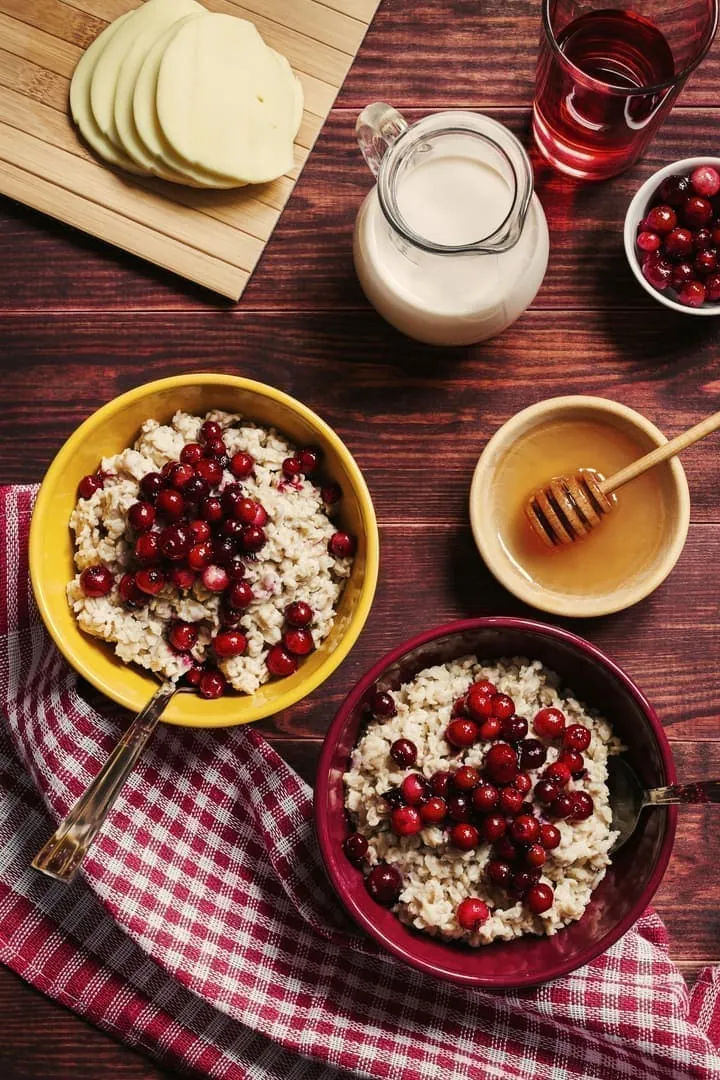
Autumn breakfasts: easy recipes to start the day right
As mornings turn chilly, we crave a breakfast that warms and energizes. Forget industrial cereals — a few easy homemade recipes can fill you up while cutting sugar and packaging waste. These ideas take less than fifteen minutes and fit every taste.
The autumn comeback of porridge
European oats are healthy, inexpensive, and endlessly adaptable. For creamy porridge: simmer 250 ml of milk (or plant milk) with 40 g of rolled oats, a pinch of salt, and a drizzle of honey for five minutes. Add chopped apple, a spoon of hazelnut butter, and a touch of cinnamon. For a faster version, soak the oats overnight in cold milk for an easy grab-and-go breakfast.
Homemade bread and autumn toasts
Baking bread over the weekend quickly becomes a ritual. Mix 500 g of flour, 300 ml of warm water, one packet of yeast, and a pinch of salt. Let rise for two hours, then bake at 220°C for 30 minutes. It keeps for three days and freezes well. In the morning, toast a slice and top it with almond butter and pear slices, or homemade fig jam — a seasonal treat that's naturally sweet.
Comforting warm drinks
For a change from coffee, try a ginger infusion: grate one centimeter of fresh ginger, pour 250 ml of boiling water, and steep for ten minutes. Add a squeeze of lemon and a spoon of honey. For cocoa lovers, heat 200 ml of milk with a spoon of pure cocoa powder and a pinch of cinnamon — no added sugar needed. These drinks support immunity and cut packaging waste when carried in a reusable thermos.
Conclusion: A perfect autumn breakfast blends warmth, simplicity, and seasonality. These comforting recipes nourish body and mind while reducing waste and hidden sugars found in packaged foods. Pair your mornings with our zero-waste kitchen tips and seasonal soup recipes for complete sustainable eating.
About the author:
Julien Maurice is the founder of AdminLanding and writes the editorial guides on GreenDailyFix covering French renovation aid, energy policy, and the administrative side of the energy transition. Contact: [email protected]
Related posts
Most People Aren’t Failing at Sustainable Living — They’re Just Optimising the Wrong Things
If sustainable living feels harder than it should, there’s a reason — and it has nothing to do with laziness or lack of care. In 2026, many people aren’t doing too little for the planet. They’re simply spending their energy on choices that barely move the needle.
If You Want to Live More Sustainably in 2026, Stop Doing More — Start Choosing What to Ignore
After years of advice telling us to optimise everything, many people reach the same conclusion: sustainable living feels like constant self-surveillance. In 2026, the most effective green shift is not about adding new rules, but about consciously deciding what no longer deserves your energy.

Why Sustainable Living Feels Exhausting - And How to Build a Green Life You Can Actually Maintain
Many people do not quit sustainable living because they do not care. They quit because it is exhausting. Too many rules. Too many contradictions. Too much pressure to do everything right, all the time. In 2026, this quiet fatigue has a name - and it is one of the biggest obstacles to real environmental progress.

Your Laundry Might Be Polluting More Than Your Car: The Microplastic Problem at Home
Every time you wash your clothes, thousands of microscopic plastic fibres are released into water systems. In 2026, scientists agree: laundry is one of the largest sources of microplastic pollution — and it happens quietly, at home.