
Autumn air quality: how to keep your home healthy when windows stay closed
As soon as the temperatures drop, our homes turn into sealed cocoons. The heating comes back on, windows stay shut, and indoor CO₂ can climb past 1,500 ppm in a small bedroom by morning — well above ANSES's recommended 1,000 ppm threshold and visibly tied to poor sleep quality. Indoor air pollution is officially recognised by Santé Publique France as a major public health issue, with PM2.5, formaldehyde, and humidity-driven mould as the three main culprits. The good news: a few simple habits — none requiring renovation work — keep autumn air fresh and healthy without losing warmth.
Ventilate smartly
Even in autumn, fresh air needs to come in. Opening the windows for ten minutes in the morning and again in the evening is enough to renew the air without chilling the room. The best time is right after a shower or cooking, when steam builds up. In cities, avoid rush-hour pollution. Newer homes often have mechanical ventilation systems (VMC) — check that they aren't clogged with dust or grease. Cleaning vents twice a year makes a surprising difference.
Fight humidity without wasting energy
Humidity is the enemy of comfort — it fuels mold and cools down walls. In autumn, laundry takes longer to dry, especially in apartments. The fix: place your drying rack near a cracked-open window or in a ventilated room (see our September 28 article on drying clothes). If you have a basement or laundry room, a low-energy dehumidifier (about €30–40) prevents condensation. Plants like peace lilies, English ivy, or Boston ferns naturally absorb moisture while adding beauty to your space.
Clean without polluting
Air fresheners and chemical sprays only hide smells — and fill the air with volatile compounds. Stick to the basics: white vinegar, baking soda, lemon, and black soap. To naturally deodorize, simmer cinnamon sticks or citrus peels in a pot of water — it fills the house with a clean scent safely. For fabrics, use a natural or homemade laundry detergent (check our eco laundry routine tips) to reduce irritants in the air.
Keep heat circulating
When air circulates, the temperature feels more even. Don't block radiator vents or push furniture against exterior walls. A small low-speed fan can help distribute heat without extra cost. Warm air doesn't move by itself — sometimes it just needs a nudge. The more evenly it spreads, the less heating you need. Pair this with our October heating tips for even better results.
Everyday good habits
A rug under the bed, thick curtains over the windows, a few plants in the living room — small details that improve comfort while keeping air cleaner. Avoid smoking or burning scented candles in small rooms. And remember: your home needs to breathe too. For more on preparing your home for the cold season, see our winter home preparation guide.
Conclusion: Breathing healthy air in autumn doesn't require gadgets — just consistent habits, plus a €25 CO₂ monitor that turns guesswork into evidence. By combining smart ventilation (10 minutes morning + evening, post-shower, post-cooking), natural cleaning (vinegar, baking soda, lemon), and humidity control (drying rack near a cracked window, dehumidifier in basements), you keep your home pleasant even when it's sealed up tight. If your VMC is over 7 years old or visibly clogged, schedule a service — it's both a health win and a legal requirement on rentals.
Frequently asked questions
Is VMC really mandatory in French homes?
Yes, in all homes built after 1982 (arrêté du 24 mars 1982). VMC simple-flux is the most common; VMC double-flux (heat-recovery) is increasingly required in new RE2020 builds. For rentals, the loi ELAN (2018) and the arrêté du 9 octobre 2019 make VMC maintenance verifiable as part of the diagnostic — landlords must show a serviced system. Cleaning grilles is the tenant's job; servicing the motor is the landlord's.
How do I know if my indoor air is actually bad?
Buy a CO₂ monitor (Aranet4, Netatmo, Co2Meter — €25–€100). Place it in your bedroom overnight. Above 1,000 ppm sustained = your ventilation is insufficient. Above 2,000 ppm = you'll feel headachy and groggy at wake-up. The monitor also helps you tune ventilation: open windows when CO₂ peaks, not on a fixed schedule.
Do indoor plants really clean the air?
Marginally. The famous 1989 NASA study showed plants remove VOCs in sealed test chambers, but you'd need 100+ plants in an average room to match the effect of opening a window for 5 minutes. They look nice, regulate humidity slightly, and improve mood — but they're not a substitute for ventilation. Best for humidity buffering: peace lily, Boston fern, English ivy.
What's the best low-cost way to control humidity?
Three steps: (1) ventilate after every shower and cooking session — open the bathroom window for 10 minutes, kitchen for 5; (2) avoid drying laundry indoors when possible, or use a folding rack near a cracked window; (3) for damp rooms (basements, north-facing studies), a 200 W dehumidifier (€80–€150) running 4 h/day removes 8–12 L/week and pays back in mould prevention.
Should I buy an air purifier for autumn allergies and PM2.5?
Helpful in city flats with high outdoor PM2.5 (Paris, Marseille, Lyon during pollution episodes), or for known dust mite allergies. A HEPA-13 unit (Dyson, Xiaomi, Levoit — €100–€350) is effective for PM2.5 and pet dander. But it doesn't replace ventilation: CO₂ and humidity still need windows. The combination of HEPA + scheduled ventilation gives the best result for sensitive households.
About the author:
Julien Maurice is the founder of AdminLanding and writes the editorial guides on GreenDailyFix covering French renovation aid, energy policy, and the administrative side of the energy transition. Contact: [email protected]
Related posts
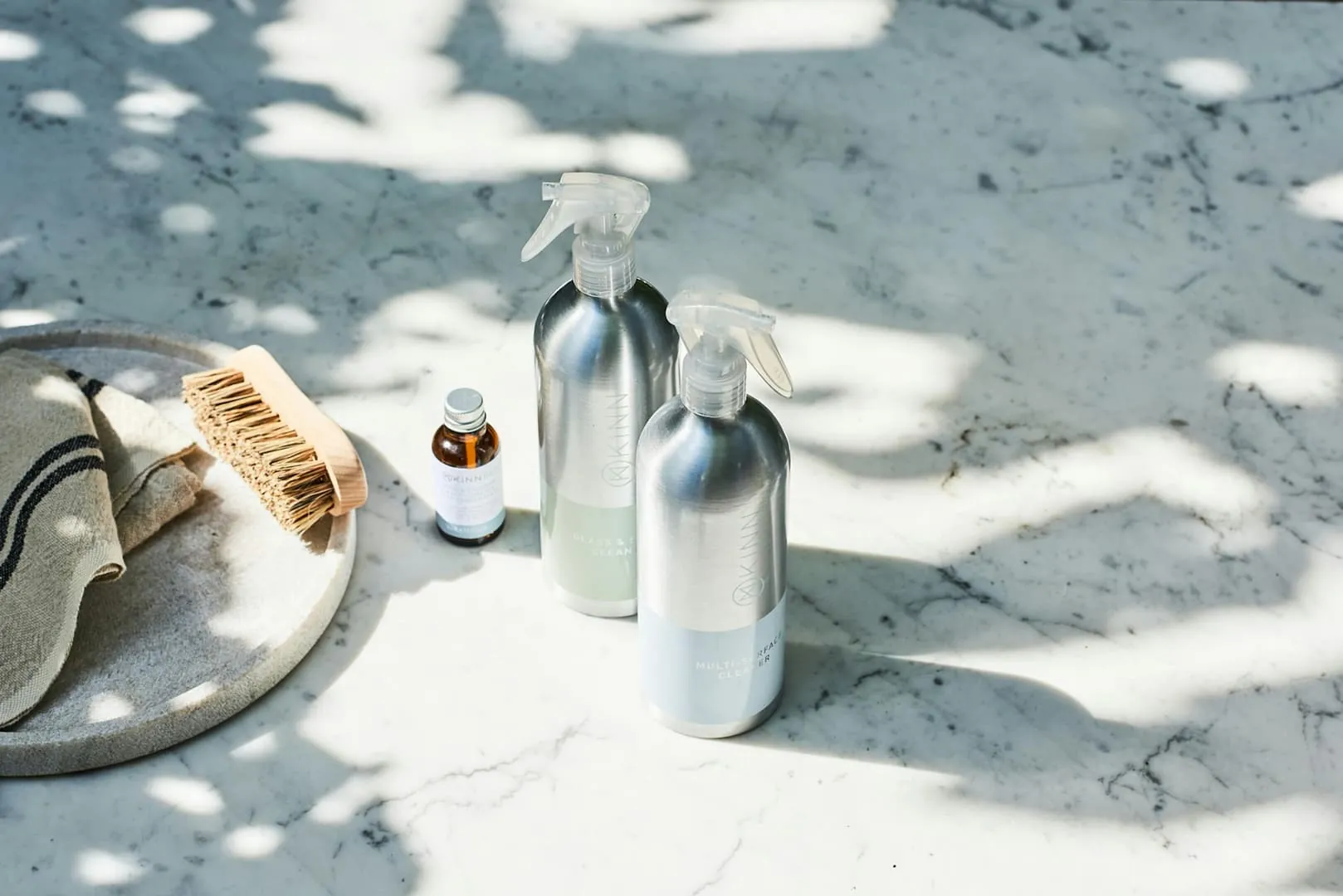
The Truth About 'Eco' Cleaning Products: What Actually Makes Your Home Healthier in 2026
Spray bottles labelled 'eco', 'natural' or 'non-toxic' have invaded European homes. They promise a cleaner conscience and a healthier indoor environment. But in 2026, a growing body of evidence suggests that many of these products do not deliver what consumers think, and sometimes distract from simpler, more effective solutions.

Rainy September: how to dry clothes without wasting energy?
Every autumn it’s the same story: rain returns, the air cools, and drying laundry becomes tricky. Hanging clothes outside is no longer an option, and using the tumble dryer quickly inflates the electricity bill. Luckily, there are simple ways to keep clothes fresh and dry without wasting energy.

Eco laundry that saves €300 per year (without sacrificing clean)
My first electricity bill in Marseille shocked me: €89 a month, with €35 of that from laundry and drying. Two years later I'm down to €12 a month — and my clothes last longer. The switch wasn't a single hack; it was cold-water washing, the 80% rule, the heures creuses tariff, and almost no tumble dryer. Here's what actually moved the needle, with the numbers behind each habit.
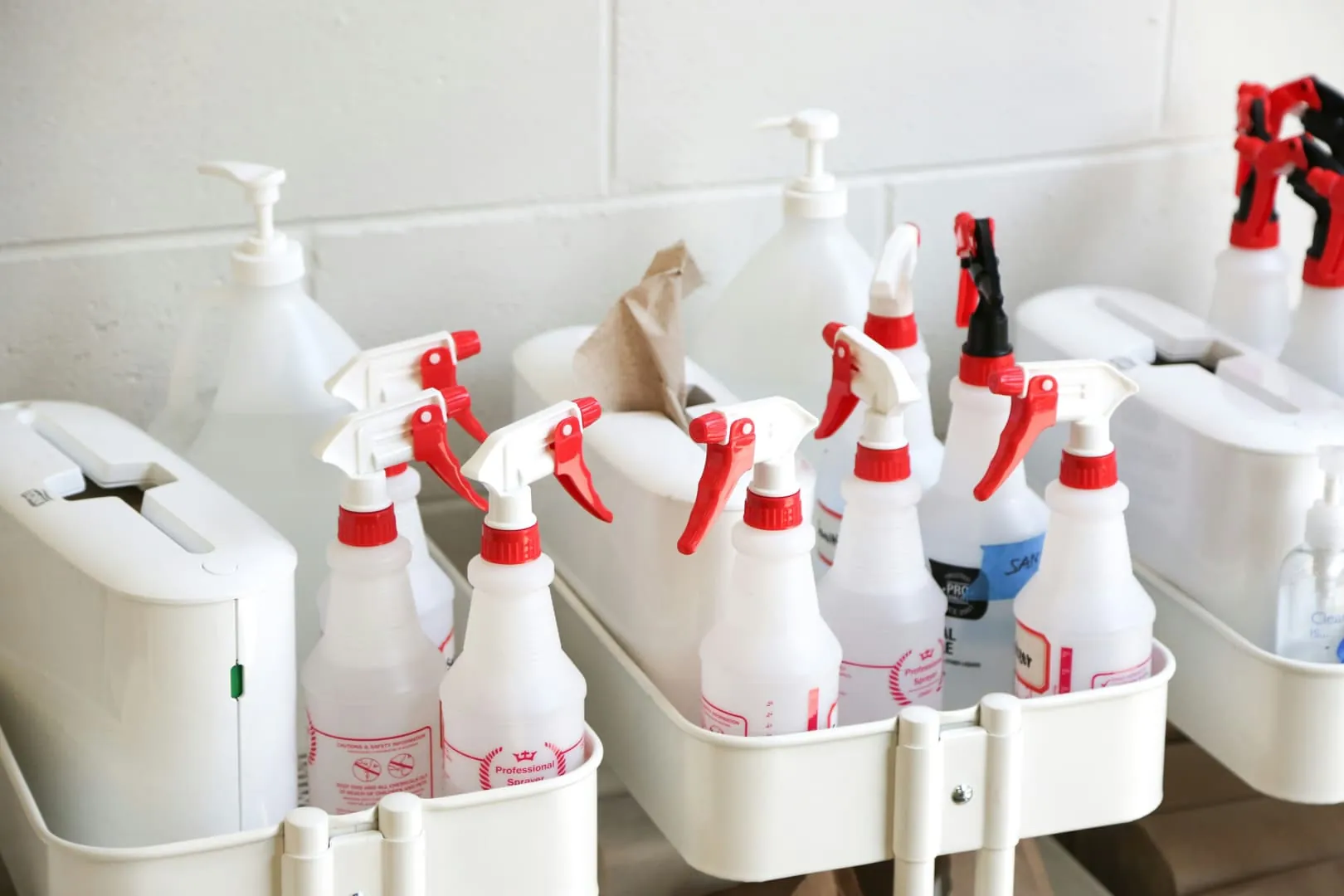
5-ingredient green cleaning kit that outperforms store brands
My partner's respiratory sensitivity made us rethink cleaning products. After testing more than fifty recipes, I kept five ingredients that cover almost everything: effective, safe, and budget-friendly.