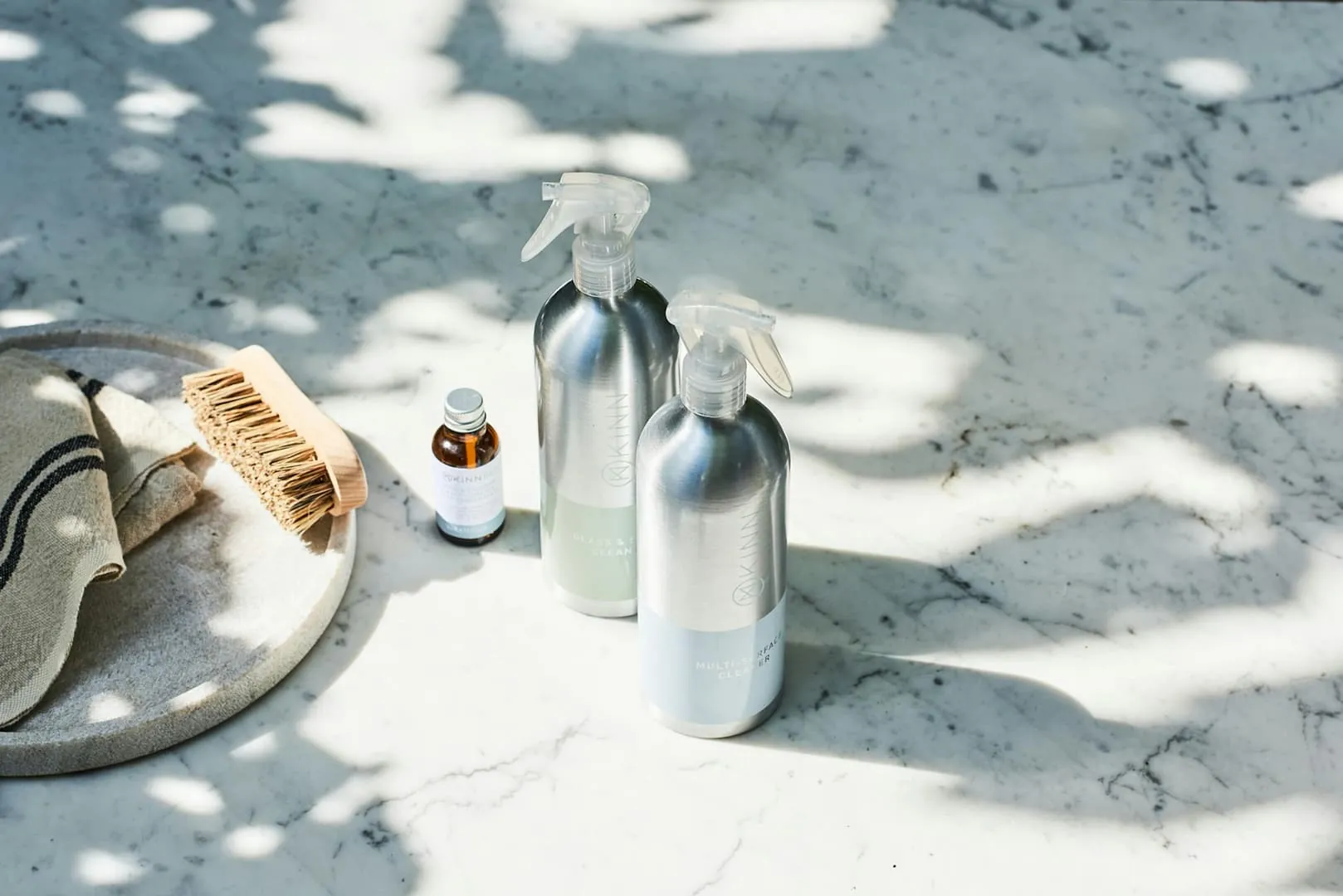
The Truth About 'Eco' Cleaning Products: What Actually Makes Your Home Healthier in 2026
Spray bottles labelled 'eco', 'natural' or 'non-toxic' have invaded European homes. They promise a cleaner conscience and a healthier indoor environment. But in 2026, a growing body of evidence suggests that many of these products do not deliver what consumers think, and sometimes distract from simpler, more effective solutions.
1. Why cleaning products matter more than we think
Indoor air in European homes is often more polluted than outdoor air. Cleaning products are one of the main contributors, especially when sprayed in small bathrooms, poorly ventilated kitchens or bedrooms with closed windows. Fragrances, solvents and preservatives can linger in the air and settle on surfaces long after the cloth is dry.
This is why indoor air quality is now treated as seriously as heating or insulation. Our guide on autumn indoor air quality explains how ventilation, humidity and product choice work together.
2. The big misunderstanding about 'natural' labels
Natural does not mean harmless. Essential oils, plant extracts and organic solvents can still irritate lungs or skin, especially for children, people with asthma or pets. What matters is not whether an ingredient sounds botanical, but how it is formulated, how concentrated it is and how often it is used.
A product with a short ingredient list, clear instructions and no aggressive fragrance is often safer than a heavily perfumed spray branded as 'natural miracle'.
3. Eco labels versus real impact at home
Some labels focus on packaging or biodegradability, but say little about indoor air quality. Others remove one controversial chemical while replacing it with another compound that behaves similarly in real life.
When choosing products, it helps to look beyond the front sticker and read the back of the bottle: ventilation advice, hazard pictograms, and whether the product must be rinsed or can stay on surfaces touched by children. Pair this with a simpler toolkit, like the one in our green cleaning kit, instead of chasing every new 'eco' launch.
4. The hidden cost of over-cleaning
The problem is not only which product is used, but how often. Daily deep-cleaning with multiple sprays increases exposure, wastes water and creates unnecessary chemical load, even with green brands.
Short, targeted routines usually protect health better than constant wiping and deodorising. Letting shoes dry properly instead of spraying deodoriser, or airing bedding instead of perfuming it, reduces both chemicals and effort.
5. What actually makes a home healthier
Healthier homes in 2026 share a few common habits:
- Regular ventilation, especially after cleaning or cooking
- Fewer different products open at the same time
- Lower frequency of strong products, reserved for real need
- Simple formulas you understand at a glance
- A focus on dust removal (vacuuming, damp cloths) rather than constant fragrance
These habits cost little, but they dramatically reduce exposure over a year.
6. The power of fewer products
Most households can clean effectively with three or four basic products instead of a full cupboard: an all-purpose cleaner, a bathroom descaler, a dishwashing product and a floor cleaner. The rest is often marketing.
Fewer bottles mean less plastic, less risk of mixing incompatible products and less confusion about which spray to use where. It also makes it easier to spot when something really does not agree with your skin or breathing.
7. When DIY is (and is not) a good idea
Vinegar, baking soda and simple soap can cover many needs when used correctly. But homemade recipes are not automatically safer or more effective. Mixing vinegar with baking soda in a closed bottle can build pressure. Combining vinegar with bleach or hydrogen peroxide can release irritating gases.
The most reliable DIY routines stay simple: a diluted vinegar solution for limescale on suitable surfaces, a baking soda paste for stubborn stains, and a mild soap for everyday cleaning. For the rest, a well-chosen certified product is often the safer choice.
8. Pets, children and sensitive households
Risk is cumulative. For babies, toddlers, pregnant people, older adults or pets with respiratory fragility, simplicity matters more than labels. Strong perfumes, disinfectants used daily and sprays near food bowls or toys can all add up.
Switching to fragrance-free or low-fragrance options, avoiding spraying into the air and rinsing surfaces that children touch directly reduces unnecessary exposure.
9. Sustainability is about exposure reduction, not perfume
The greenest home is not the one that smells the most 'fresh', but the one that is least chemically busy. Using fewer products, choosing refill formats when possible, and extending the life of sponges, cloths and mops often has more impact than buying the latest 'eco' brand.
Here, the logic is close to our zero-waste kitchen starter kit: reduce at the source, reuse what works and recycle at the end.
10. The 2026 shift: from green products to green practices
In 2026, more Europeans are realising that habits outperform purchases. A simple routine combining good ventilation, targeted cleaning and fewer products does more for health than chasing every new 'eco' launch.
This mirrors other areas of the home: from climate-smart cooking to zero waste winter cooking, routines quietly reshape impact.
11. What to change this year
If you only change a few things in 2026, focus on these steps:
- Audit the bottles you already own and finish what you can safely use
- Avoid buying duplicates that perform the same job
- Switch one heavily perfumed product for a fragrance-free alternative
- Air rooms after cleaning and open windows daily for a few minutes
- Read labels slowly once before using a new product
These actions work in small apartments and large houses alike, with or without children or pets.
12. A calmer relationship with cleanliness
A healthy home is not sterile. It is balanced. Accepting a little dust between cleans, prioritising fresh air over perfume and keeping routines realistic reduces both stress and exposure.
Over time, many households discover that simpler cleaning leaves rooms smelling less like products and more like home.
Frequently Asked Questions
Are eco cleaning products always safer?
No. Safety depends on the full formula, how concentrated the product is, how it is used and whether rooms are ventilated properly.
Is it better to use fewer products?
Yes. Fewer, well-chosen products usually mean less exposure, less plastic and less marketing noise.
Can DIY cleaning replace store-bought products?
Sometimes. Simple recipes based on vinegar, baking soda and soap can work well, but they must be used correctly and never mixed at random. For complex jobs, a certified product is often the safer option.
Conclusion: In 2026, the healthiest homes are not the ones filled with green-labelled bottles. They are the ones that clean less, ventilate more and understand that sustainability is a practice, not a purchase.
About the author:
Julien Maurice is the founder of AdminLanding and writes the editorial guides on GreenDailyFix covering French renovation aid, energy policy, and the administrative side of the energy transition. Contact: [email protected]
Related posts

Autumn air quality: how to keep your home healthy when windows stay closed
As soon as the temperatures drop, our homes turn into sealed cocoons. The heating comes back on, windows stay shut, and indoor CO₂ can climb past 1,500 ppm in a small bedroom by morning — well above ANSES's recommended 1,000 ppm threshold and visibly tied to poor sleep quality. Indoor air pollution is officially recognised by Santé Publique France as a major public health issue, with PM2.5, formaldehyde, and humidity-driven mould as the three main culprits. The good news: a few simple habits — none requiring renovation work — keep autumn air fresh and healthy without losing warmth.
Rainy September: how to dry clothes without wasting energy?
Every autumn it’s the same story: rain returns, the air cools, and drying laundry becomes tricky. Hanging clothes outside is no longer an option, and using the tumble dryer quickly inflates the electricity bill. Luckily, there are simple ways to keep clothes fresh and dry without wasting energy.
Eco laundry that saves €300 per year (without sacrificing clean)
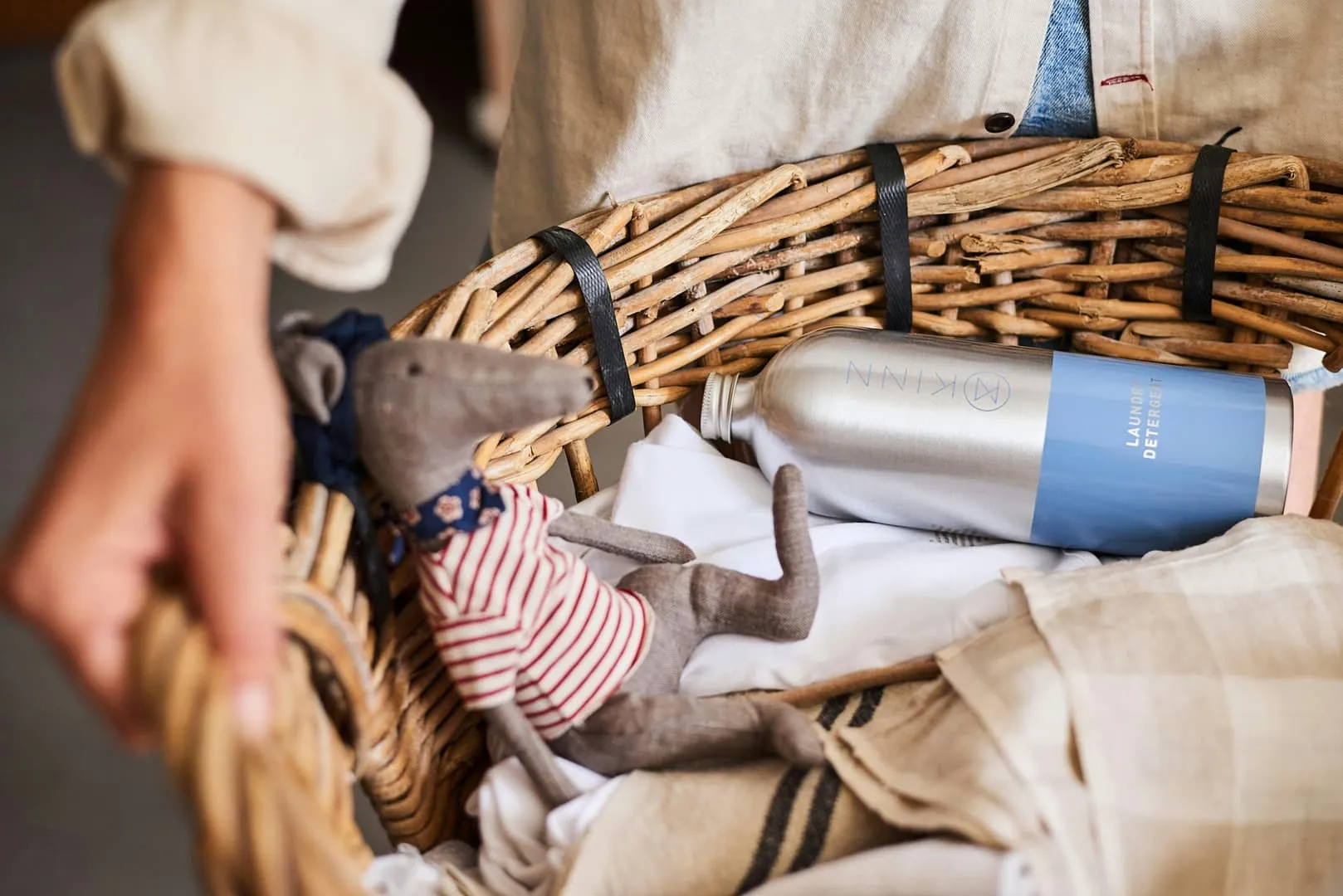
My first electricity bill in Marseille shocked me: €89 a month, with €35 of that from laundry and drying. Two years later I'm down to €12 a month — and my clothes last longer. The switch wasn't a single hack; it was cold-water washing, the 80% rule, the heures creuses tariff, and almost no tumble dryer. Here's what actually moved the needle, with the numbers behind each habit.
5-ingredient green cleaning kit that outperforms store brands
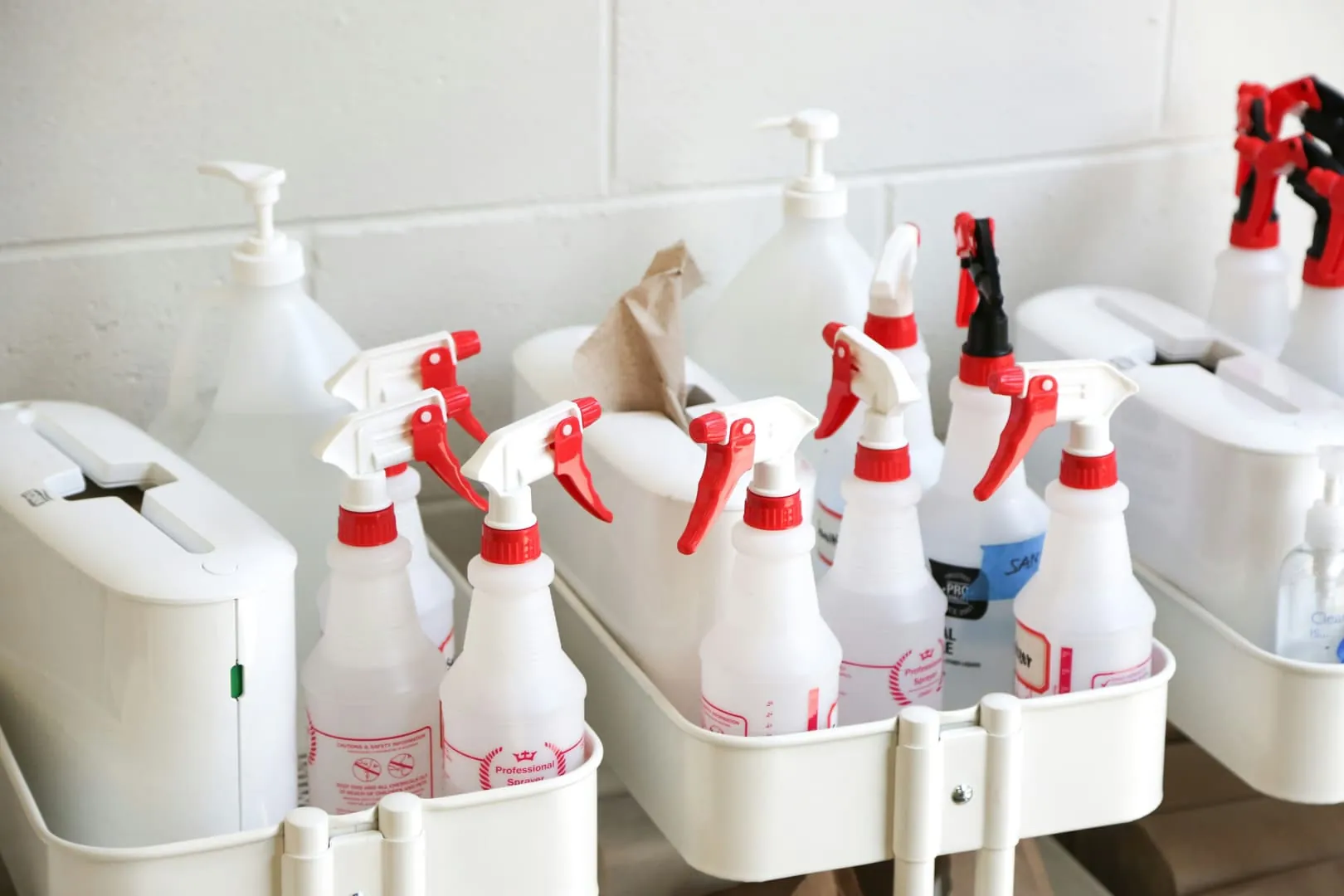
My partner's respiratory sensitivity made us rethink cleaning products. After testing more than fifty recipes, I kept five ingredients that cover almost everything: effective, safe, and budget-friendly.