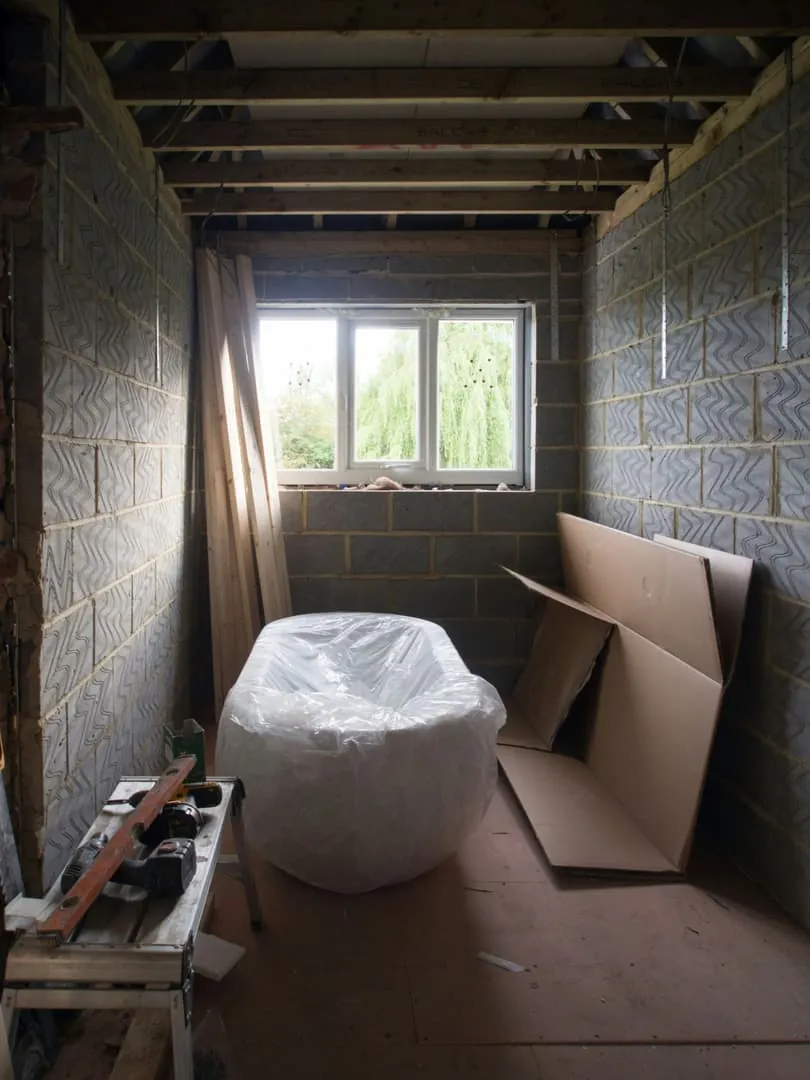
Get your home winter-ready without expensive renovations: real solutions that work
Every autumn, we promise ourselves to improve insulation — yet between budget and time, major renovations always get postponed. But a warmer home doesn't just depend on thick insulation or triple-glazed windows. A few practical, real-life actions can cut energy use starting this month.
Track air leaks: the candle test that works
Heat loss is often invisible. Hold a candle or lighter near window and door frames — if the flame flickers, air is leaking in. Adhesive weatherstripping (about €5 a roll) can seal gaps and raise indoor temperature by several degrees. For door bottoms, a rolled towel or draft stopper does wonders. Combine both, and you can save up to €50 a year according to France's ADEME energy agency.
Dress your home: textiles as natural insulation
Thick curtains, rugs, and throws create a soft barrier against the cold. Replacing thin drapes with lined cotton or velvet curtains can reduce heat loss by up to 15%. Cold tile floors instantly feel warmer with a recycled-fiber rug. And as we mentioned in our autumn breakfast article, a cozy throw not only warms the room but sets a calmer morning mood — less heating, more comfort.
Make the most of existing heat
Simple habits make the difference: leave the oven door slightly open after cooking, clear furniture from in front of heaters, and close shutters as soon as night falls. A family in Lyon who tried this saved 12% on their gas bill over one winter. Combine this with our autumn lighting advice — replacing ten halogen bulbs with LEDs frees up enough savings to insulate two windows.
Create warmth without consuming more
The feeling of warmth isn't just about temperature. Soft, warm-toned LED lights, a simmering pot of soup (see our October 4th article), and gentle natural scents make the space feel cozy without raising the thermostat. Try plant-based candles or DIY diffusers with dried citrus peels and cloves — comfort for almost zero cost.
Conclusion: Getting your home ready for winter is mostly about attention to detail: sealing, insulating, and making the most of what's already there. These accessible steps reduce bills and increase comfort — and often, the most lasting warmth comes from habits that stay all year long. Complete your winter prep with our 5 habits to cut your heating bill and discover our autumn energy-saving tips.
About the author:
Julien Maurice is the founder of AdminLanding and writes the editorial guides on GreenDailyFix covering French renovation aid, energy policy, and the administrative side of the energy transition. Contact: [email protected]
Related posts
The Winter Home Problem Nobody Talks About: Humidity, Mould, and the Air You’re Breathing
Every winter, we seal our homes to keep warmth in — and trap something else inside. Humidity rises, air stagnates, and invisible pollutants accumulate. In 2026, indoor air quality is becoming one of the most overlooked health issues in European homes.

From Optimisation to Protection: Why European Homes Are Redefining Energy Strategy in 2026
For years, energy advice focused on optimisation: better efficiency, higher performance, maximum savings. In 2026, European households are quietly changing priorities. The new goal is not perfection - it is protection.

The Illusion of Energy Stability: Why Europe's 2026 Calm Is Costing Households More Than They Think
For the first time in years, Europe entered winter without an energy shock. No dramatic price surge. No emergency headlines. And yet, something more dangerous is happening quietly: households are mistaking stability for safety.

Europe’s Winter Wake-Up Call: The Hidden Energy Decisions Millions of Homes Will Regret Delaying in 2026
This winter, Europe didn’t freeze — but something else happened quietly. Millions of households realized that energy problems no longer arrive as shocks. They arrive as slow, expensive regrets. Winter 2026 isn’t about panic. It’s about the cost of waiting.