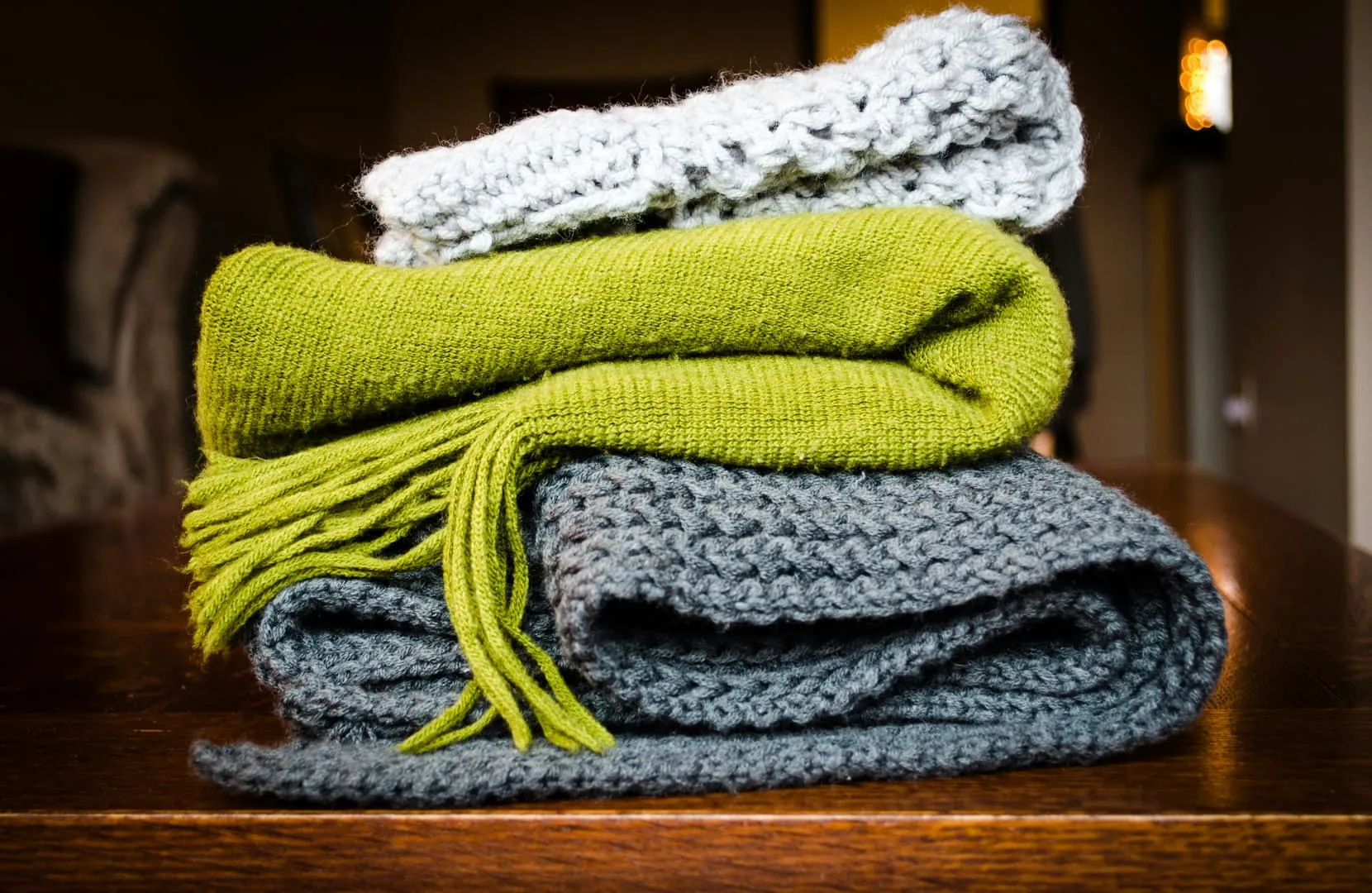
Europe’s Winter Clothing Reset 2025: Low-Impact Fabrics, Thermal Layers and Circular Fashion
As winter grips Europe in 2025, a quiet revolution is unfolding in wardrobes across the continent. With rising energy costs, growing awareness of textile waste and a cultural shift toward intentional living, Europeans are rethinking how they stay warm and stylish. The result is a true Winter Clothing Reset: a movement combining low-impact materials, high-performance thermal layering, durable outerwear and circular fashion principles. Instead of fast-fashion jumpers or thick synthetic sweaters, people are choosing clothes that regulate temperature naturally, last for years and reduce the need for excessive heating. This guide explores the major winter clothing trends reshaping Europe this season — and how they fit into a more sustainable, comfortable and energy-aware lifestyle.
1. Why winter fashion is changing so quickly in 2025
Europe’s winter clothing habits are shifting for three major reasons:
- Energy costs remain high, encouraging people to rely less on home heating and more on effective layering.
- Environmental concerns over textile waste — Europe throws away millions of tonnes of clothing each year.
- Cultural momentum behind sustainability, second-hand fashion and slow living, as explored in our Slow Winter Movement guide.
Consumers are no longer buying single-use winter trends; they are choosing comfort solutions, thermal efficiency and long-term durability.
2. Low-impact fabrics are dominating winter 2025
Climate awareness and textile innovation have pushed low-impact materials to the centre of winter 2025. Instead of thick synthetic jumpers, many Europeans are choosing fabrics that manage heat naturally and last for years.
2.1. Recycled wool (the season’s biggest winner) Recycled wool offers:
- exceptional warmth
- lower environmental impact than virgin wool
- durability and breathability
Brands across France, Switzerland and Scandinavia now release coats made from post-consumer textile fibres or production offcuts.
2.2. Merino wool (lightweight, temperature-regulating) Merino remains one of the most effective natural thermal fabrics. Benefits include:
- regulates body heat
- moisture-wicking
- soft texture
- odour-resistant
- ideal for discreet base layers under everyday outfits
2.3. Organic cotton and brushed flannel For indoor comfort, organic cotton and brushed flannel are returning. They are:
- breathable and skin-friendly
- more sustainable when certified (for example GOTS or OEKO-TEX)
- perfect for shirts, pyjamas and loungewear.
2.4. Tencel™ and Modal (eco-friendly softness) These cellulose fibres, produced from wood pulp in controlled processes, offer:
- very soft winter loungewear
- good moisture management
- biodegradable options when blended with natural fibres.
2.5. Recycled fleece instead of virgin polyester Fleece in 2025 increasingly uses fibres from PET bottles or textile waste. It is widely used for:
- mid-layers
- lightweight jackets
- home-office wear.
For a broader overview of how fashion is going circular, see our guide to sustainable fashion in 2025.
3. Thermal layering: the winter essential that reduces heating bills
Layering is no longer just a styling trick; it is an energy strategy. Data from European energy agencies suggests that effective thermal layering can allow households to reduce thermostat settings by around 1–2°C, which can translate into savings of up to 8% on heating use.
A practical layering system has three steps:
3.1. Base layer (moisture management) Best options include:
- merino wool
- bamboo viscose
- Tencel blends.
These fabrics keep skin dry while trapping a first layer of warmth.
3.2. Mid-layer (insulation) Choose:
- recycled wool sweaters
- fleece jackets
- thick cotton or flannel shirts.
Mid-layers trap warm air — the real secret of efficient winter dressing.
3.3. Outer layer (protection) This final layer includes:
- recycled down jackets
- windproof shells
- responsibly sourced parkas.
The goal is to block cold air and wind while letting moisture escape. The same principle appears in home design: as we explain in The home comfort boom, layering textiles and micro-insulation around doors and windows creates comfort with less energy.
4. Circular winter fashion: the European trend reshaping retail
Winter clothing is now a core part of Europe’s circular economy push. Instead of buying a new coat every two years, more households are extending the life of what already exists.
Circular winter fashion includes:
- clothing rental services for ski wear and technical coats
- second-hand platforms and vintage boutiques
- repair cafés and visible mending workshops
- brand take-back programmes for wool and down
- winter coat leasing subscriptions in some cities.
Why it works:
- reduces textile waste and overproduction
- lowers carbon emissions over the life cycle of each garment
- provides access to premium items at lower cost
- aligns with minimalist, slow winter living.
Cities like Berlin, Copenhagen, Amsterdam and Paris are at the forefront of this shift, helped by the same values we explored for Green Friday alternatives.
5. The rise of "home layers": staying warm indoors without overheating
Across Europe, many people now build a mini wardrobe just for staying at home in winter. The goal is simple: feel cosy at 18–19°C instead of turning the thermostat up to 21–22°C.
Typical home layers include:
- wool socks and thick tights
- fleece-lined leggings
- oversized cardigans and hoodies
- sherpa or fleece wraps
- quilted house jackets or gilets
- soft beanies or headbands for very cold homes.
These pieces allow households to reduce heating use while maintaining comfort, particularly in rental homes where major renovations are not yet possible. For more ideas on staying warm without waste, see Winter 2025: stay warm, waste less and Save on heating this winter.
6. Winter accessories with an environmental upgrade
Accessories are playing a surprisingly big role in sustainable winter wardrobes. Small changes at the edges — hats, scarves, gloves — dramatically increase comfort.
Trending eco-accessories in 2025 include:
- recycled wool beanies and balaclavas
- scarves made from reclaimed fibres or deadstock yarn
- cork or recycled belts instead of new leather
- biodegradable or leather-free gloves
- repairable umbrellas with replaceable parts.
These details combine function with ethical sourcing and help you buy fewer, better pieces. Paired with low-energy lighting and décor from our Christmas lights and eco décor guide, they contribute to a calm, warm winter atmosphere at home.
7. Winter footwear: warm, durable and low-impact
Sustainable winter footwear is growing quickly across Europe as people look for boots that are both warm and repairable. Popular materials include:
- recycled rubber soles
- leather alternatives made from apple waste or mycelium
- felted wool uppers
- cork or natural-latex insoles.
In colder regions, felt-lined boots and insulated clogs are especially popular because they transition easily from indoors to quick outdoor errands. The key is to prioritise soles that can be resoled and uppers that can be repaired locally.
8. How winter fashion reduces energy use
Clothing does not just keep you warm; it directly reduces dependence on heating systems. A well-planned wardrobe can act as a personal insulation system.
Benefits of a low-energy winter wardrobe include:
- staying comfortable at 18–19°C instead of 21–22°C
- reducing carbon emissions from gas and electric heating
- lowering energy bills during the winter peaks
- complementing home zoning and insulation upgrades.
In practice, this means that winter clothing is a powerful — and relatively affordable — tool in Europe’s low-energy lifestyle shift, alongside structural measures such as better insulation and heat pumps. For context on these broader changes, see Europe’s winter energy crunch 2025–2026 and France’s heat pump market shift.
9. Mistakes to avoid when shopping for winter clothing
A sustainable winter wardrobe is as much about what you avoid as what you buy. Common pitfalls include:
- cheap polyester sweaters that feel warm in the shop but trap sweat and feel clammy at home
- fast-fashion coats that lose shape after one or two seasons
- garments made from complex fibre blends that are hard to recycle
- items that require frequent dry-cleaning
- poor-quality zips, buttons and stitching that fail quickly.
Shopping smarter means buying fewer, better pieces and planning outfits around them instead of constant impulse purchases.
10. The emotional side of winter fashion
Winter clothing is also deeply psychological. Choosing warm, soft and durable fabrics:
- reduces stress when the weather turns quickly
- improves sleep by keeping you at a stable temperature
- boosts mood on grey days
- creates rituals around getting dressed for cosy evenings at home.
This emotional wellbeing effect supports the Slow Winter Movement and broader sustainable living values we explore in Reducing stress with green routines and Slow living: live more slowly, love more deeply.
Frequently Asked Questions
What is the most sustainable fabric for winter clothing?
Recycled wool and merino wool are currently among the most sustainable warm fabrics because they combine durability, breathability and relatively low impact when sourced responsibly.
Does layering really reduce heating needs?
Yes. Effective layering can allow households to lower thermostat settings by around 1–2°C, which can cut energy consumption by up to 8% depending on the home.
Is recycled fleece eco-friendly?
Recycled fleece made from PET bottles or textile offcuts is significantly more sustainable than virgin polyester fleece, especially if you wash at low temperatures and use a microfibre filter bag.
Is second-hand winter clothing socially accepted?
Absolutely. In 2025, second-hand and vintage winter clothing are widely embraced across Europe and often associated with quality and style rather than sacrifice.
How do I build a sustainable winter wardrobe?
Start with a few high-quality base layers, add durable mid-layers in recycled wool or fleece, invest in one or two long-lasting coats and choose accessories made from natural or recycled materials. Avoid fast fashion and prioritise repairable items.
Conclusion: Europe’s Winter Clothing Reset reflects a broader cultural transformation: warmth and comfort are no longer about buying more, but about buying better. With low-impact fabrics, efficient layering, durable outerwear and circular fashion gaining momentum, Europeans are discovering that staying warm can be stylish, sustainable and significantly energy-efficient. Winter clothing is becoming part of the continent’s climate strategy — a personal, daily, accessible way to reduce heating needs, lower emissions and embrace a slower, more intentional winter lifestyle. This season, the smartest wardrobe is the one that keeps you warm, lasts for years and leaves the lightest footprint.
About the author:
Julien Maurice is the founder of AdminLanding and writes the editorial guides on GreenDailyFix covering French renovation aid, energy policy, and the administrative side of the energy transition. Contact: [email protected]
Related posts
Most People Aren’t Failing at Sustainable Living — They’re Just Optimising the Wrong Things
If sustainable living feels harder than it should, there’s a reason — and it has nothing to do with laziness or lack of care. In 2026, many people aren’t doing too little for the planet. They’re simply spending their energy on choices that barely move the needle.
If You Want to Live More Sustainably in 2026, Stop Doing More — Start Choosing What to Ignore
After years of advice telling us to optimise everything, many people reach the same conclusion: sustainable living feels like constant self-surveillance. In 2026, the most effective green shift is not about adding new rules, but about consciously deciding what no longer deserves your energy.

Why Sustainable Living Feels Exhausting - And How to Build a Green Life You Can Actually Maintain
Many people do not quit sustainable living because they do not care. They quit because it is exhausting. Too many rules. Too many contradictions. Too much pressure to do everything right, all the time. In 2026, this quiet fatigue has a name - and it is one of the biggest obstacles to real environmental progress.
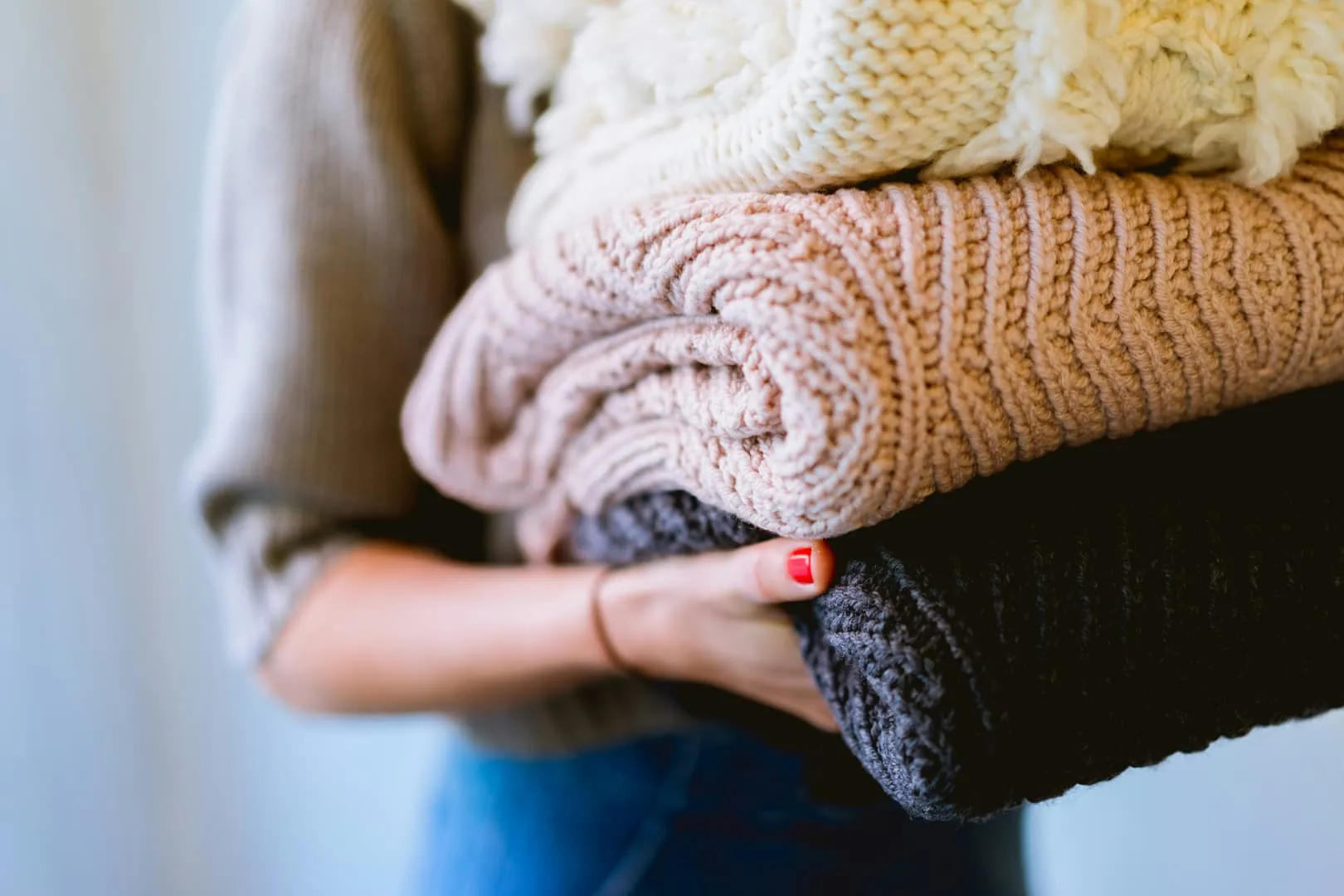
Your Laundry Might Be Polluting More Than Your Car: The Microplastic Problem at Home
Every time you wash your clothes, thousands of microscopic plastic fibres are released into water systems. In 2026, scientists agree: laundry is one of the largest sources of microplastic pollution — and it happens quietly, at home.