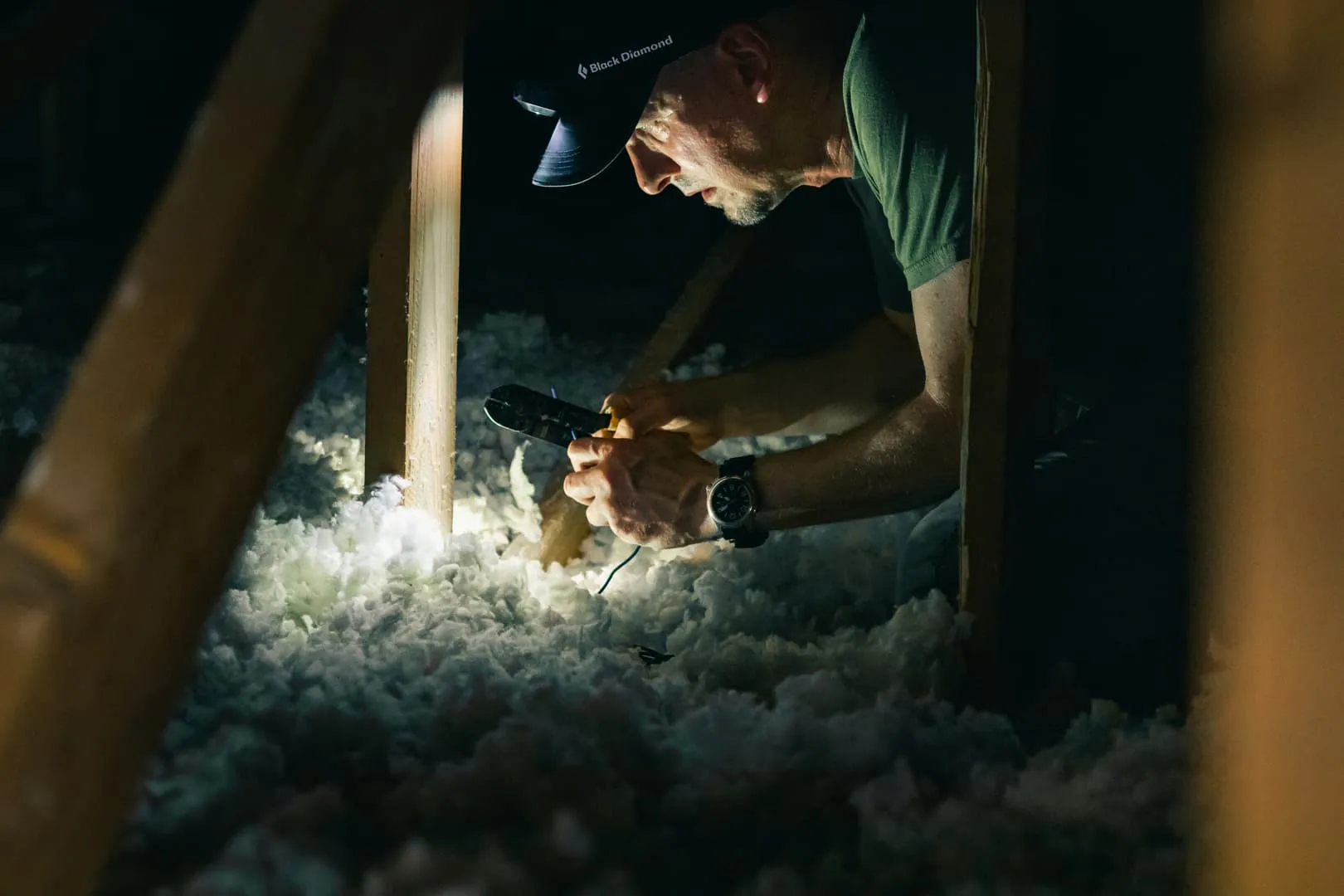
Green Insulation 2025: The Hidden Power of Eco-Friendly Materials
Insulation is the invisible core of every successful renovation. In 2025, eco-friendly materials — hemp, wood fiber, cork, cellulose — are moving from niche to norm. They combine thermal efficiency, comfort, and low carbon impact. Here’s how natural insulation is reshaping homes and energy bills.
1) Why natural insulation matters in 2025
2) 2025 top-performing materials
| Material | Thermal lambda | Price per m² installed | Lifespan | Key strengths |
|---|---|---|---|---|
| Hemp | 0.041 | €25–45 | ~50 years | Moisture buffering, light, local |
| Wood fiber | 0.038 | €35–55 | ~60 years | Excellent summer comfort, high inertia |
| Cork | 0.037 | €40–65 | ~70 years | Water-resistant, recyclable, FSC forests |
| Cellulose | 0.040 | €20–35 | ~50 years | Recycled paper, ideal for attics and floors |
3) New 2025 grants in France
4) Comfort beyond energy savings
5) Hemp: a local champion
6) Wood fiber: comfort leader
7) Cork: durable and resilient
8) Case study: Toulouse retrofit
9) Where to buy and what to check
10) Environmental impact snapshot
| Insulation type | Embodied energy (MJ per kg) | Recyclable | Approximate CO2 impact |
|---|---|---|---|
| Hemp | ~4 | Yes | Negative over full lifecycle |
| Wood fiber | ~8 | Yes | Low |
| Mineral wool | ~25 | Partial | Higher |
| Polyurethane | ~120 | No | Very high |
11) Grants and housing support resources
12) See also on GreenDailyFix
Conclusion: Choosing natural insulation in 2025 is a long-term comfort investment. Beyond energy savings, it supports local industries, reduces emissions, and improves well-being. Green insulation is now the foundation of resilient homes.
Frequently asked questions
Which eco insulations perform best?
Expanded cork and wood fiber offer top thermal resistance, while hemp provides best moisture regulation.
Can old houses use natural insulation?
Yes, as long as ventilation is managed and you hire an RGE craftsman experienced in heritage buildings.
About the author:
Julien Maurice is the founder of AdminLanding and writes the editorial guides on GreenDailyFix covering French renovation aid, energy policy, and the administrative side of the energy transition. Contact: [email protected]
Related posts
The Winter Home Problem Nobody Talks About: Humidity, Mould, and the Air You’re Breathing
Every winter, we seal our homes to keep warmth in — and trap something else inside. Humidity rises, air stagnates, and invisible pollutants accumulate. In 2026, indoor air quality is becoming one of the most overlooked health issues in European homes.

From Optimisation to Protection: Why European Homes Are Redefining Energy Strategy in 2026
For years, energy advice focused on optimisation: better efficiency, higher performance, maximum savings. In 2026, European households are quietly changing priorities. The new goal is not perfection - it is protection.

The Illusion of Energy Stability: Why Europe's 2026 Calm Is Costing Households More Than They Think
For the first time in years, Europe entered winter without an energy shock. No dramatic price surge. No emergency headlines. And yet, something more dangerous is happening quietly: households are mistaking stability for safety.
Europe’s Winter Wake-Up Call: The Hidden Energy Decisions Millions of Homes Will Regret Delaying in 2026
This winter, Europe didn’t freeze — but something else happened quietly. Millions of households realized that energy problems no longer arrive as shocks. They arrive as slow, expensive regrets. Winter 2026 isn’t about panic. It’s about the cost of waiting.