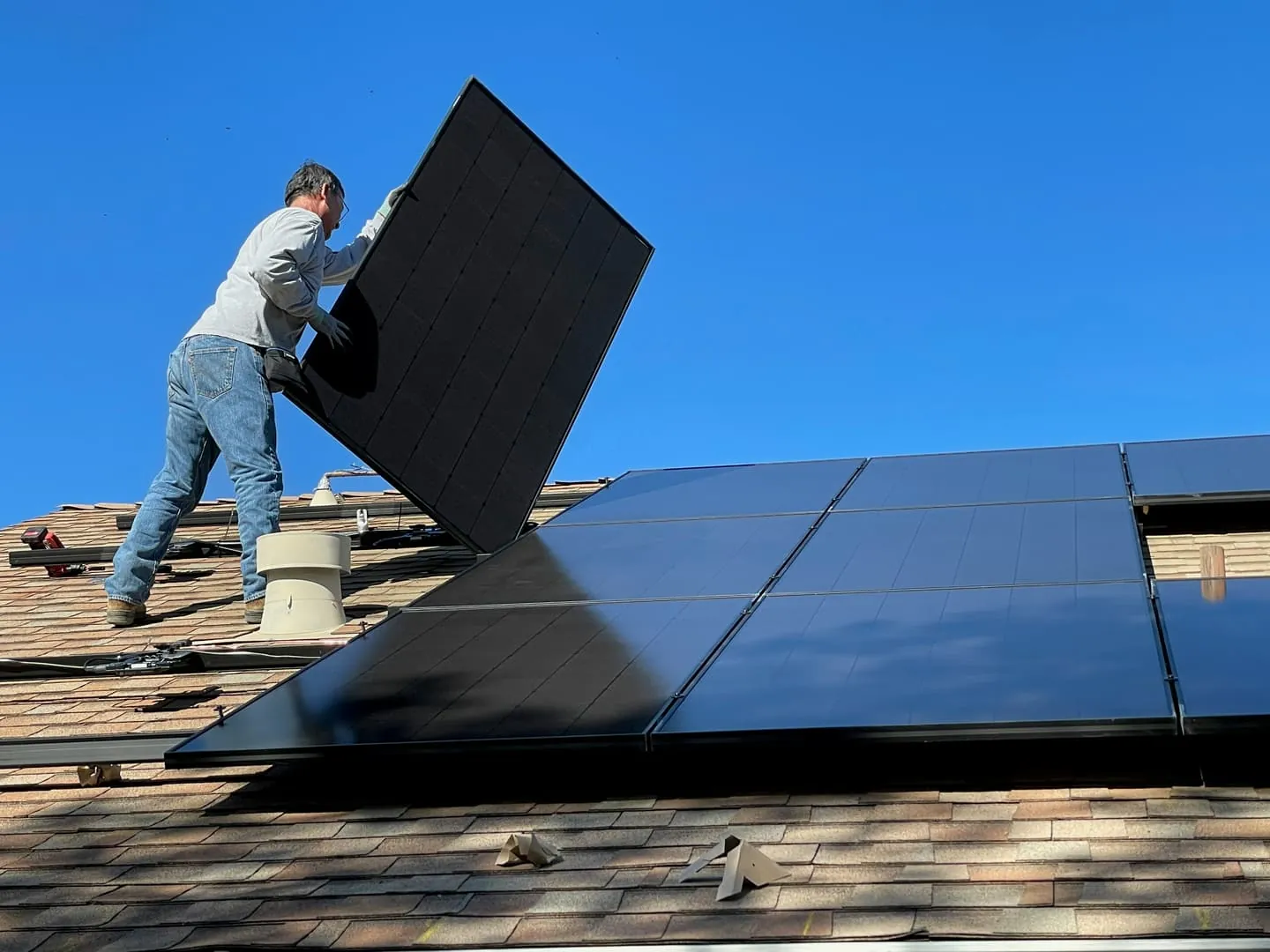
Solar Energy in France 2025: Subsidies, Self-Consumption & Real ROI
More French households than ever want to produce their own electricity. With rising energy bills and a push for independence, solar power in 2025 has become France's most profitable green choice. But with new grants, feed-in tariffs, and evolving self-consumption rules, things can get confusing. This guide breaks down all 2025 solar subsidies, ROI scenarios, and smart installation choices.
1. Why 2025 is France's solar turning point
2. Key subsidies and grants (2026 update)
3. How self-consumption works
4. ROI in numbers
| Size | Cost | Aids | Annual savings | Payback |
|---|---|---|---|---|
| 3 kWc | €7,500 | €2,000 | €800 | 7 yrs |
| 6 kWc | €11,000 | €3,500 | €1,300 | 6 yrs |
| 9 kWc | €15,000 | €4,000 | €2,000 | 6 yrs |
5. Choose a reliable installer
6. Case study: Annecy family
7. Environmental impact
8. Innovations to watch
9. Tax and rules
10. FAQ
11. Expert tips for maximum gains
12. Regional comparison 2025
| Region | Sunshine/year | Production (3 kWc) | ROI |
|---|---|---|---|
| Provence | 1,950 h | 4,200 kWh | 5 yrs |
| Nouvelle-Aquitaine | 1,750 h | 3,800 kWh | 6 yrs |
| Île-de-France | 1,650 h | 3,400 kWh | 7 yrs |
| Bretagne | 1,550 h | 3,200 kWh | 7-8 yrs |
13. Where to learn more
Conclusion: With stacked grants and smarter self-consumption, 2025 is the year solar becomes mainstream. What was once a visionary gesture is now the smartest way to secure clean, affordable power for the next 25 years.
Frequently asked questions
What is the ROI of solar panels in France?
Solar panels in France typically pay for themselves in 8-12 years depending on region and self-consumption rate. Southern regions achieve faster payback. With current electricity prices, a 6kWp system can save 800-1,200 euros per year.
What is the EDF OA feed-in tariff rate in 2025?
The EDF Obligation d Achat tariff for surplus solar electricity is around 0.13 euros per kWh for installations under 9 kWp in 2025. Full sale tariffs are lower at 0.10-0.11 euros per kWh.
How much does a solar panel installation cost per kW in France?
A residential solar installation in France costs between 2,000 and 3,000 euros per kWp installed, including equipment, labor, and grid connection. A typical 6 kWp system costs 12,000-18,000 euros before subsidies.
Is home battery storage worth it in France?
At current prices of 5,000-10,000 euros for 10 kWh, home batteries have a payback period of 12-15 years in France, which exceeds most battery warranties. They make more financial sense for off-grid properties.
About the author:
Julien Maurice is the founder of AdminLanding and writes the editorial guides on GreenDailyFix covering French renovation aid, energy policy, and the administrative side of the energy transition. Contact: [email protected]
Related posts

The Winter Home Problem Nobody Talks About: Humidity, Mould, and the Air You’re Breathing
Every winter, we seal our homes to keep warmth in — and trap something else inside. Humidity rises, air stagnates, and invisible pollutants accumulate. In 2026, indoor air quality is becoming one of the most overlooked health issues in European homes.

From Optimisation to Protection: Why European Homes Are Redefining Energy Strategy in 2026
For years, energy advice focused on optimisation: better efficiency, higher performance, maximum savings. In 2026, European households are quietly changing priorities. The new goal is not perfection - it is protection.

The Illusion of Energy Stability: Why Europe's 2026 Calm Is Costing Households More Than They Think
For the first time in years, Europe entered winter without an energy shock. No dramatic price surge. No emergency headlines. And yet, something more dangerous is happening quietly: households are mistaking stability for safety.

Europe’s Winter Wake-Up Call: The Hidden Energy Decisions Millions of Homes Will Regret Delaying in 2026
This winter, Europe didn’t freeze — but something else happened quietly. Millions of households realized that energy problems no longer arrive as shocks. They arrive as slow, expensive regrets. Winter 2026 isn’t about panic. It’s about the cost of waiting.