
DPE Energy Ratings and Your French Rental: The 2026 Letting Bans, Explained
By mid-2026, a French home's DPE letter is no longer a detail on the listing — it decides whether the home may legally be rented at all. Class G has been banned from new lettings since January 2025, F and G rents are frozen, and the loi Le Meur has now closed the short-term escape route by attaching an energy floor to tourist lets too. If you own (or rent) a lettable home in France, this is the July 2026 state of play: what is already banned, what gets banned next, and what an owner of an F or G home can realistically still do.
The calendar, as it stands in July 2026
The loi Climat et Résilience wrote the letting bans into the definition of a decent dwelling, and the schedule has not moved: - Class G — already banned. Since 1 January 2025, a G-rated home cannot be put back on the long-term rental market. New leases, renewals and tacit renewals are all caught. - Class F — banned from 1 January 2028. Eighteen months away: one tenant change, for most landlords. - Class E — banned from 1 January 2034. From that date, a home must be rated D or better to be let. An existing tenant does not have to leave — the ban bites at the next letting. But a sitting tenant in a G home can already invoke energy non-decency and ask a judge or the departmental conciliation commission to order works. We keep the full schedule, exemptions included, in our letting-ban calendar guide.
Banned versus frozen: what F and G owners face today
Two different sanctions are often confused: - The ban stops a new lease. G is there already; F follows in 2028. - The freeze hits the rent you can charge. Since 24 August 2022, rents on all F and G homes are frozen: no annual IRL revision, no raise between tenants, no contribution towards works. The freeze applies even while an existing lease runs on legally. The combination is what makes doing nothing expensive. A G owner is out of the market; an F owner is collecting a rent that inflation quietly erodes every year until 2028, when the market closes for them too. Meanwhile the pool of buyers for un-renovated F/G stock keeps shrinking — since 2023, selling an F or G home already requires a full energy audit on top of the DPE.
Short-term letting is no longer the side exit
Until recently, an owner blocked on the long-term market could still list the same home on Airbnb — tourist lets sat outside the decency rules. The loi Le Meur (law no. 2024-1039 of 19 November 2024) closed that gap, and 2026 is when its machinery became concrete: - In communes operating a changement d'usage regime, a DPE rated A to E is required to obtain a new tourist-let authorisation — an F or G home must be renovated first. - From 1 January 2034, every meublé de tourisme that is not the owner's primary residence must reach at least class D — the same threshold long-term rentals hit that year. - Since 20 May 2026, the national registration teleservice is in force: new short-term declarations go through the single State platform, and the mairie can demand a valid DPE from the host. Our meublé de tourisme energy-rules guide covers the tourist-let side in detail; for everything beyond energy — night caps, the registry, the new tax brackets — AdminLanding maintains a plain-English 2026 Airbnb rules page for France kept current as decrees land.
First reflex: check what your home is actually rated
Before pricing renovation works, check the letter itself — for two reasons. The 2026 electricity coefficient. Since 1 January 2026, the DPE converts electricity to primary energy with a lower coefficient (1.9 instead of 2.3). All-electric homes gain, mechanically: a share of homes rated F under the old maths are E on a re-issued DPE, without a single euro of works. We ran the numbers in our coefficient guide — if your home heats with electricity and its DPE predates 2026, re-checking is the cheapest move available. Old or defective DPEs. DPEs issued before July 2021 are no longer valid, and a demonstrably wrong DPE is opposable — it can be challenged. A fresh diagnostic from a certified professional is the reference document for every rule in this article. To see where a specific home stands — its class, which ban date applies, what a compliant letting file needs — AdminLanding's free DPE 2026 check does the lookup in a couple of minutes, in English or French.
The four realistic options for an F or G home
Once the rating is confirmed, the choice tree is short: 1. Renovate to E or better. Insulation, ventilation and a heating swap are the class-movers. MaPrimeRénov', the éco-PTZ and CEE certificates all remain open to landlords in 2026, and one letter gained often unlocks both the letting market and the frozen rent. 2. Re-test before renovating. As above — all-electric F homes especially may already be E under the 2026 coefficient. 3. Change the home's use. Selling, housing a family member, or converting to a use outside the rental rules. Remember the energy audit is mandatory when selling an F or G home. 4. Do nothing — knowingly. Legal for a running lease, but with a frozen rent, a tenant who can demand works, and a 2028 wall for F homes. It is a position, not a strategy. Each path has a different administrative trail — diagnostics, lease clauses, subsidy files — and the mistake that costs most is discovering a missing document at reletting time.
Conclusion: The question 'can my home still be let?' now has a purely alphabetical answer: G — no; F — yes, rent frozen, until 2028; E — yes, until 2034; D and above — yes. The 2026 twist is that the same alphabet now reaches Airbnb, so the letter on your DPE is the single number-one fact to establish before any rental decision this year. Check the rating first — the 2026 electricity coefficient makes that step free money for some owners — then pick your path with the calendar in front of you. Figures current as of July 2026; always confirm at the official source before acting.
Frequently asked questions
Can a class G home still be rented out in France in 2026?
Not on a new lease. Class G homes have been banned from new long-term lettings since 1 January 2025 — renewals included. An existing lease continues, but the rent is frozen and the tenant can invoke energy non-decency to demand works. On the short-term side, communes with a changement d'usage regime require a DPE of A–E for new tourist-let authorisations.
When will class F homes be banned from letting?
From 1 January 2028 for new long-term lettings in mainland France. Class E follows on 1 January 2034. F and G rents have already been frozen since August 2022, so waiting has a running cost even before the ban.
Can I put my F-rated flat on Airbnb instead of renting it long-term?
Increasingly, no. Under the loi Le Meur, communes operating a changement d'usage regime require a DPE rated A–E for a new tourist-let authorisation, and every meublé de tourisme outside the owner's primary residence must reach class D by 2034. Since 20 May 2026 new declarations also go through the national registration teleservice, and the mairie can demand a valid DPE.
Does the 2026 electricity coefficient change my DPE class?
Possibly, if the home is heated by electricity. Since 1 January 2026 the DPE uses a primary-energy coefficient of 1.9 instead of 2.3 for electricity, which mechanically improves all-electric homes — a share of old-maths F ratings come out as E on a re-issued DPE, with no works at all. A new diagnostic is needed to make the gain official.
Is the DPE mandatory for a short-term rental?
It is becoming so. In changement d'usage communes a DPE of A–E is required for new tourist-let authorisations; the 2034 class-D rule will cover every meublé de tourisme outside primary residences; and since the national registry came into force on 20 May 2026, the mairie can demand a valid DPE from a registered host.
About the author:
Julien Maurice is the founder of AdminLanding and writes the editorial guides on GreenDailyFix, covering French energy regulation and the administrative side of renting and renovating property in France.
Related posts

Renting an Energy Sieve? Your Rights in 2026: Rent Freeze, DPE G Ban, and How Fast You Can Leave
A flat that never gets warm, radiators running flat out, and an electricity bill that hurts more than the rent: living in a passoire thermique (energy sieve) is a daily tax on comfort. But in 2026 the law is firmly on the tenant's side — twice. If you stay, the rent of an F- or G-rated home is frozen and class G has been banned from new leases since 2025. If you decide to leave, the notice rules (préavis) are more favourable than most people think — often 1 month instead of 3 — provided you claim the reduction correctly, send the letter the right way and count the dates the way the law does. This guide covers both halves: your rights while you stay, and the exact mechanics of leaving, including the zone tendue subtlety that most websites get wrong.

Meublé de tourisme: DPE and energy rules in 2026 (loi Le Meur)
If you let a property short-term in France, 2026 is the year energy performance catches up with you. The loi n°2024-1039 du 19 novembre 2024 — the loi Le Meur — pulls meublés de tourisme (furnished tourist rentals) into the same décence énergétique logic that already governs long-term lets. In communes that regulate change of use, a DPE now conditions the right to rent; class F and G properties are being pushed out; and from 1 January 2034 every tourist let that is not the owner's principal residence must reach class D. On top of that, registration has gone national — the State teleservice is in force since 20 May 2026 — and the taxe de séjour still applies. This guide sets out exactly what the law requires, the dates that matter, which properties are exempt, and how to plan renovations before a deadline — or a fine — forces your hand.
Éco-PTZ for landlords: financing a rental renovation at zero interest in 2026
For a French landlord, a rental rated F or G on the DPE is now a countdown, not just a comfort problem. From 1 January 2025 the most energy-hungry homes can no longer legally be rented, and F-rated flats follow in 2028. Renovating is unavoidable — the real question is how to pay for it without draining your cash. This is where the éco-prêt à taux zéro (éco-PTZ) earns its place: a state-backed, interest-free loan of up to €50,000 over 20 years, open to landlords, with no income condition. This guide walks through the 2026 ceilings, the eligible works and the RGE rule, how the éco-PTZ stacks with MaPrimeRénov and CEE on the same works, the prêt avance rénovation variant, and the tie-in with the déficit foncier and the décence énergétique deadlines. Figures are drawn from service-public.gouv.fr and France Rénov; treat this as information, not personalised advice, and confirm each figure at the source before you sign.
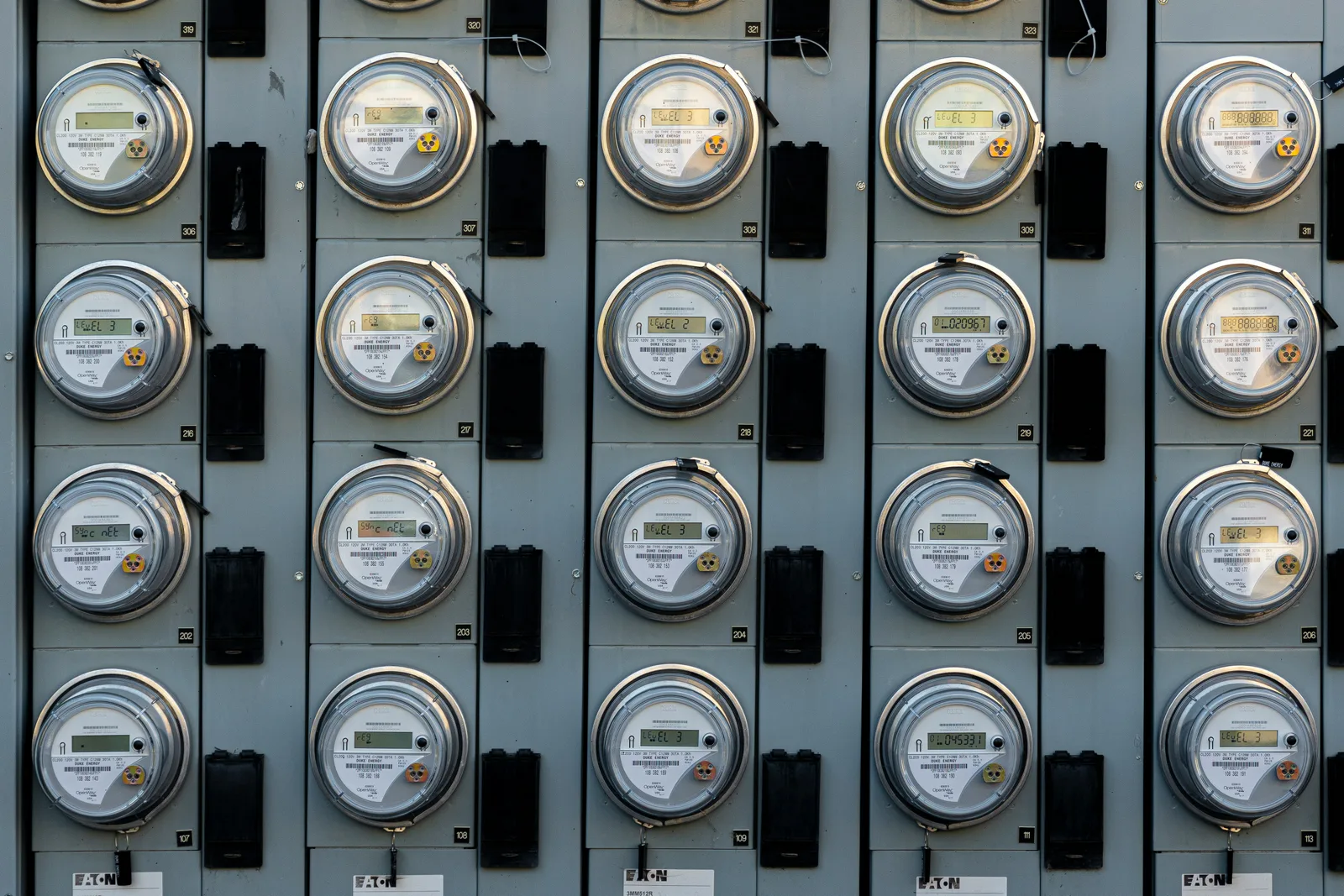
Renting Out an All-Electric Home After the 2026 DPE Electricity Coefficient Change
Since 1 January 2026, one quiet number has reshaped the French rental market: the coefficient converting final energy into primary energy for electricity has dropped from 2.3 to 1.9. In plain terms, the primary-energy consumption printed on the DPE of an electrically heated home falls by roughly 17% — with no renovation work at all. For hundreds of thousands of landlords, that means a letter gained on the energy label, and sometimes an exit from the passoire (energy-sieve) status that had banned letting altogether. Enacted by the arrêté du 13 août 2025, the change raises very concrete questions: is my home reclassified? do I need a new diagnosis? can I rent it out again? This guide lays out the official figures and the exact steps, so you can re-issue your DPE at the right moment and put your property back on the market in full compliance.