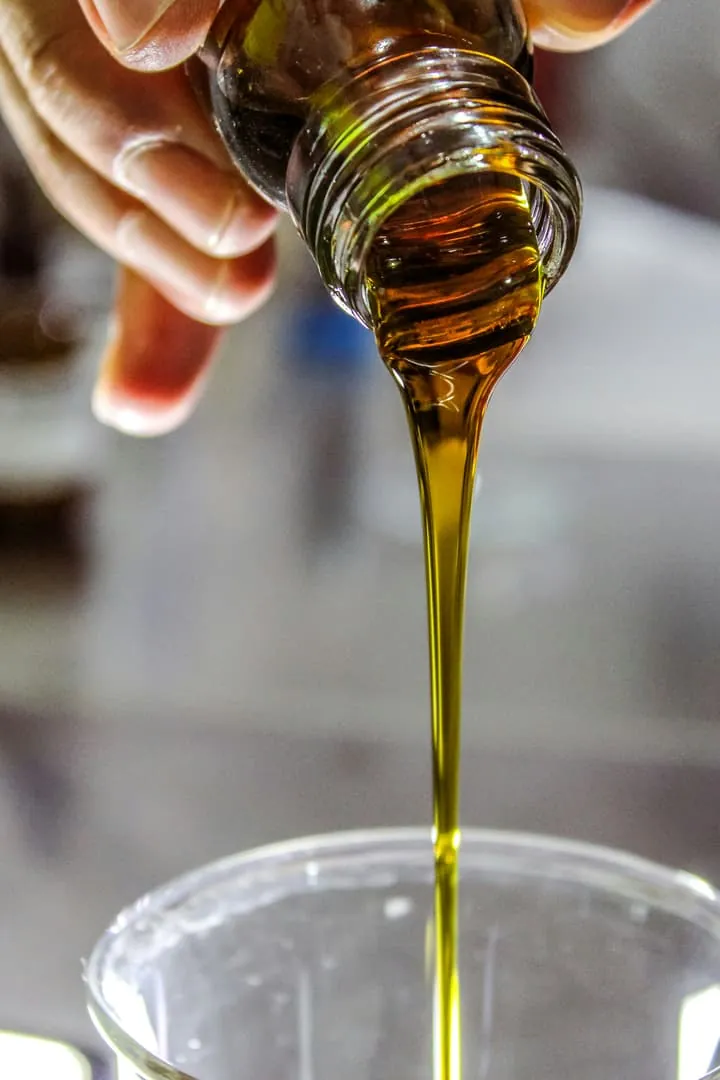
Why More Europeans Are Cooking Their Christmas Turkey With Algae Oil in 2025
Christmas cooking is full of tradition. Butter on the turkey, olive oil in the pan, family recipes passed down for generations. And yet, in kitchens across Europe this December, something unexpected is happening: more households are quietly replacing traditional cooking fats with algae oil. Not as a statement, but as a solution — one that fits modern concerns without sacrificing festive pleasure.
1. A new Christmas habit in European kitchens
The Christmas turkey is a symbol of abundance, but also one of the most energy- and resource-intensive meals of the year. Long oven times, high temperatures and generous amounts of fat all add up to a heavy footprint. In 2025, sustainability discussions no longer stop at organic ingredients or recycled wrapping paper — they now extend to how food is actually cooked.
For many households, cooking oil has long been an afterthought: butter for flavour, olive oil for versatility, maybe a neutral seed oil when budgets are tight. But climate shifts, droughts in Mediterranean regions and pressure on farmland are making these choices less straightforward. Against this backdrop, algae oil is entering European kitchens not as a niche experiment, but as a quiet, practical option for big festive meals.
2. What exactly is algae cooking oil?
Algae oil is produced from microalgae grown in controlled environments rather than on traditional farmland. Instead of relying on large fields, seasonal harvests and intensive irrigation, producers cultivate algae in tanks or bioreactors where conditions are optimised year-round.
This approach has two key advantages. First, it decouples oil production from agricultural land, which is already under pressure from food, feed and biofuel crops. Second, it uses relatively little water and can, in many cases, avoid the deforestation or soil degradation associated with some conventional oil crops. When powered by low-carbon electricity, algae oil can significantly reduce the climate impact associated with each litre produced.
3. Why algae oil works so well for Christmas turkey
From a cook’s perspective, algae oil has three main strengths: stability, heat resistance and neutrality. Its high smoke point makes it particularly well suited to long roasting sessions at 180–200 °C. Where butter alone can burn or darken too quickly, algae oil maintains a stable film on the skin of the bird, helping it brown evenly without filling the kitchen with smoke.
Because the flavour is neutral, algae oil lets herbs, citrus zest, garlic and stuffing aromatics take the lead. Many home cooks report that the turkey tastes more clearly of the marinade and seasoning, without the heavy film sometimes left by mixed animal and vegetable fats. The drippings remain usable for gravy, but the overall impression at the table is lighter — a welcome change at the end of a rich meal.
4. Comparing algae oil with butter and olive oil
Butter, olive oil and algae oil each have their place in the kitchen. Butter brings irreplaceable flavour, especially in sauces and finishing touches. Olive oil carries a long Mediterranean tradition and is still an excellent choice for salads, vegetables and low to medium-heat cooking.
The challenge is that both depend heavily on climate-sensitive agriculture. Recent years have seen olive oil prices surge after heatwaves and poor harvests, while dairy production faces its own environmental pressures. Algae oil sidesteps some of these constraints. It does not require orchards or pastureland, and production can be scaled in locations that would never support conventional crops.
Health-wise, algae oil is typically rich in unsaturated fats and low in saturated fat compared to butter. For families trying to keep festive meals a little lighter without abandoning tradition, replacing part of the roasting fat with algae oil is a pragmatic compromise rather than a radical change.
5. Practical ways to use algae oil in your festive menu
You do not need to reinvent your Christmas recipes to use algae oil effectively. A few targeted swaps are enough:
- brush the turkey with algae oil for the main roasting phases, then add a small amount of butter at the end for flavour if desired
- coat vegetables such as potatoes, carrots or Brussels sprouts in algae oil before roasting so they crisp without burning
- use algae oil as a neutral base for marinades with herbs, garlic and citrus, then reserve butter for table service or sauces
Because algae oil tolerates high heat, it is also useful for side dishes that spend a long time in the oven alongside the turkey. The principle is simple: keep flavour where it matters most, and let a stable, neutral oil handle the intense heat.
For more ideas on low-impact festive cooking, you can also read:
- Winter food that heats without heating: how Europe is cooking smarter
- Christmas Is Europe's biggest energy spike — here's how to enjoy it without the bill shock
- Cutting food waste: how to stop throwing money, energy and emissions in the bin
- Seasonal soups from autumn harvests: warm, low-waste comfort bowls
- Seasonal organic baskets in Europe: local veg without the supermarket markup
6. Limits and questions around algae oil
No sustainable solution is perfect, and algae oil is no exception. It is often more expensive than common supermarket oils, which can make full replacement unrealistic for some households. Its environmental performance also depends on how the electricity for production sites is generated. When facilities rely heavily on fossil fuels, part of the climate advantage is eroded.
For now, algae oil is best seen as a targeted upgrade rather than a universal answer: something to use where it adds the most value, such as long oven cooking or special meals. Over time, as more producers shift to renewable energy and improve efficiency, its footprint could shrink further.
The broader message is simple: festive meals can evolve without losing their soul. Swapping part of the fat, reducing waste and planning oven use more intelligently all contribute to a lighter, calmer Christmas — for both the planet and the people around the table.
8. Where to buy algae oil and recipe resources
If you want to try algae oil for your Christmas turkey, here are trusted suppliers that ship to Europe:
Thrive Culinary Algae Oil Thrive offers American Heart Association-certified algae oil with a 485°F smoke point. Available on Amazon and ships internationally. Visit thriveculinary.com for recipes and cooking guides.
Algae Cooking Club Chef-grade algae oil with an exceptional 535°F smoke point, perfect for high-heat roasting. Available on Amazon UK and iHerb UK with European shipping.
Recipe adaptation tips: You do not need special recipes. Simply replace butter or olive oil with algae oil in your existing turkey recipe during the roasting phase. For a classic approach, try adapting Jamie Oliver's ultimate roast turkey by brushing the bird with algae oil instead of olive oil, then adding butter in the final 30 minutes for flavour. The neutral taste of algae oil lets your herbs, garlic and citrus shine through while keeping the skin crispy and golden.
For vegetables, coat potatoes, carrots and Brussels sprouts in algae oil before roasting alongside the turkey — they will crisp beautifully without burning.
Frequently Asked Questions
Does algae oil change the taste of Christmas turkey?
No. Algae oil has a neutral flavor and allows herbs, spices and stuffing to define the taste.
Is algae oil suitable for high-temperature roasting?
Yes. It has a very high smoke point, making it ideal for long oven cooking.
Is algae oil more sustainable than olive oil?
In many cases, yes. It avoids farmland use and climate-sensitive crops, though production methods still matter.
Is algae oil vegan?
Yes. It is entirely plant-based and suitable for vegan diets.
Conclusion: Cooking Christmas turkey with algae oil won’t change what people see on the table — and that’s exactly why it works. Sustainability does not need to announce itself loudly. Sometimes it simply delivers crisp skin, lighter textures and the comfort of knowing that traditions can adapt to a changing world.
About the author:
Julien Maurice is the founder of AdminLanding and writes the editorial guides on GreenDailyFix covering French renovation aid, energy policy, and the administrative side of the energy transition. Contact: [email protected]
Related posts

Most People Aren’t Failing at Sustainable Living — They’re Just Optimising the Wrong Things
If sustainable living feels harder than it should, there’s a reason — and it has nothing to do with laziness or lack of care. In 2026, many people aren’t doing too little for the planet. They’re simply spending their energy on choices that barely move the needle.
If You Want to Live More Sustainably in 2026, Stop Doing More — Start Choosing What to Ignore
After years of advice telling us to optimise everything, many people reach the same conclusion: sustainable living feels like constant self-surveillance. In 2026, the most effective green shift is not about adding new rules, but about consciously deciding what no longer deserves your energy.

Why Sustainable Living Feels Exhausting - And How to Build a Green Life You Can Actually Maintain
Many people do not quit sustainable living because they do not care. They quit because it is exhausting. Too many rules. Too many contradictions. Too much pressure to do everything right, all the time. In 2026, this quiet fatigue has a name - and it is one of the biggest obstacles to real environmental progress.

Your Laundry Might Be Polluting More Than Your Car: The Microplastic Problem at Home
Every time you wash your clothes, thousands of microscopic plastic fibres are released into water systems. In 2026, scientists agree: laundry is one of the largest sources of microplastic pollution — and it happens quietly, at home.