Eco Heating 2026: The Sustainable Trends to Watch Now
Winter 2025–2026 marks a key turning point. With fluctuating energy prices, French households are turning toward greener, more stable, and local heating solutions. In 2026, three major trends stand out: hybrid [heat pumps](/en/blog/2025-09-21-heat-pumps-france), domestic biogas, and smart thermal storage. Here's how they're reshaping the way we heat our homes sustainably.
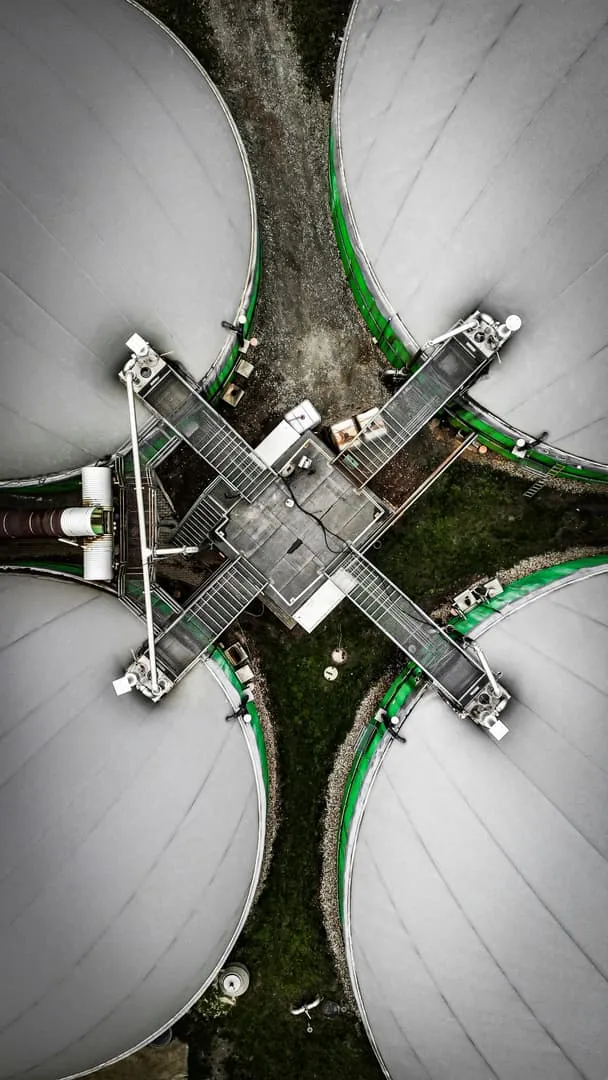
1. Hybrid heat pumps: 2026's standard
| Model | Type | Average annual savings | 2025–2026 subsidy |
|---|---|---|---|
| Atlantic Alféa Hybrid | Air/water + gas | €800–1,200 | Up to €5,000 (MaPrimeRénov' Hybride) |
| De Dietrich HPI Hybrid | Water/water + biogas | €1,000 | €6,000 (CEE + regional) |
2. Domestic biogas: the ultimate local energy
3. Smart thermal storage
4. AI-based regulation: when AI enters the home
5. Costs and ROI
| Technology | Initial cost | Savings/year | ROI |
|---|---|---|---|
| Hybrid heat pump | €10,000 | €1,200 | 7–8 years |
| Home biogas | €7,000 | €800 | 8–9 years |
| Thermal storage | €3,500 | €400 | 7 years |
6. Local, resilient energy
7. Grants and financing
8. The future: total integration
Conclusion: 2026 trends are redefining energy comfort: cleaner, smarter heating rooted in local territory. The trio of hybrid + biogas + storage is no longer a utopia but a concrete roadmap. The future of heating is already at your home — you just need to turn it on.
Frequently asked questions
What are the main eco-heating trends for 2026?
Key trends include hybrid heat pump systems (combining heat pump with gas backup), high-temperature heat pumps for older radiators, integration with home battery storage, and smart grid-responsive heating that shifts consumption to off-peak hours.
Are hybrid heat pumps a good option for older homes?
Hybrid systems can be a practical transition for homes with existing gas infrastructure and older radiators not suited for low-temperature heat pumps. They provide heat pump efficiency most of the year with gas backup during extreme cold.
Will hydrogen heating replace natural gas in European homes?
Unlikely for most households. Green hydrogen is expensive and supply is limited. Most EU energy strategies prioritize hydrogen for industry and transport. Electrification via heat pumps remains the primary path for residential heating decarbonization.
About the author:
Julien Maurice is the founder of AdminLanding and writes the editorial guides on GreenDailyFix covering French renovation aid, energy policy, and the administrative side of the energy transition. Contact: [email protected]
Related posts
The Winter Home Problem Nobody Talks About: Humidity, Mould, and the Air You’re Breathing
Every winter, we seal our homes to keep warmth in — and trap something else inside. Humidity rises, air stagnates, and invisible pollutants accumulate. In 2026, indoor air quality is becoming one of the most overlooked health issues in European homes.

From Optimisation to Protection: Why European Homes Are Redefining Energy Strategy in 2026
For years, energy advice focused on optimisation: better efficiency, higher performance, maximum savings. In 2026, European households are quietly changing priorities. The new goal is not perfection - it is protection.

The Illusion of Energy Stability: Why Europe's 2026 Calm Is Costing Households More Than They Think
For the first time in years, Europe entered winter without an energy shock. No dramatic price surge. No emergency headlines. And yet, something more dangerous is happening quietly: households are mistaking stability for safety.

Europe’s Winter Wake-Up Call: The Hidden Energy Decisions Millions of Homes Will Regret Delaying in 2026
This winter, Europe didn’t freeze — but something else happened quietly. Millions of households realized that energy problems no longer arrive as shocks. They arrive as slow, expensive regrets. Winter 2026 isn’t about panic. It’s about the cost of waiting.