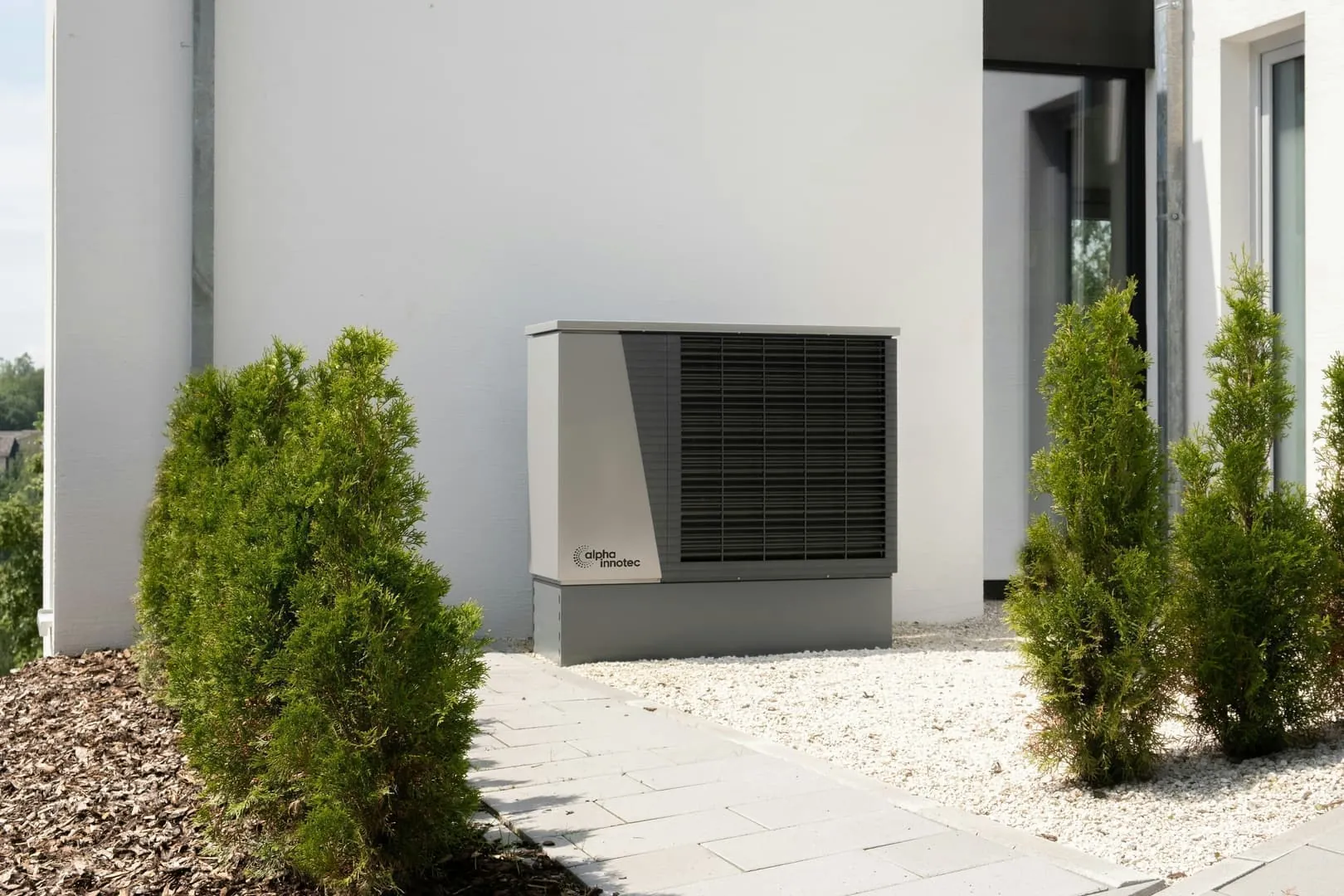
Heat Pumps in France 2025 – All the New Subsidies Explained Simply
> **Verified 2026-05-26** — figures, eligibility windows and DPE thresholds in this article were re-checked against `maprimerenov.gouv.fr` and `service-public.fr` as of late May 2026. Subsidy rates can change without notice — confirm the current value with the source before filing a claim. In 2025, installing a heat pump in France has never been more affordable. With grants reaching up to €11 000 depending on your situation, the government is accelerating the energy transition. [MaPrimeRénov](/en/blog/2026-04-11-maprimerenov-2026-complete-guide-france-renovation-subsidies)', [CEE](/en/blog/2026-04-26-certificats-economies-energie-cee-guide-2026) certificates, regional bonuses – here's everything you need to know to benefit, with concrete examples and expert advice.
The 2025 context: why subsidies are evolving
Facing the energy crisis and European climate targets, France aims for 1 million heat pumps installed by 2030. In 2024, only 350 000 units were installed – acceleration is needed. New thresholds favor: - Low-income households (income < €25 000/year) - Comprehensive renovations (moving from DPE F → C minimum) - Fossil fuel exits (replacing oil, gas heating) Result: grants are better targeted but also more generous for those who truly need them.
MaPrimeRénov' 2025: detailed rates
For air-to-water heat pumps: - Very low income (< €22 000): up to €5 000 - Low income (€22 000 - €30 000): €3 500 - Middle income: €2 500 - Higher income: not eligible (except for comprehensive renovation) Stackable bonuses: - Oil boiler replacement: + €1 200 - Gas boiler replacement: + €800 - BBC renovation (Low Consumption Building): + €1 500 2025 novelty: Energy audit becomes mandatory for DPE F and G homes, but it's covered 100 % (value: €800). Documents you'll need to file the application (have these ready before you create your account on maprimerenov.gouv.fr): 1. Your latest avis d'imposition (tax notice — used to confirm income bracket) 2. A detailed quote from an RGE QualiPAC-certified installer (the QualiPAC mention is mandatory for heat pumps) 3. Proof of ownership of the dwelling (taxe foncière notice or notarial deed) 4. Proof that the dwelling is more than 15 years old (bâti completion record or earlier title deed) 5. RIB (bank account details) for the payment Payment arrives within 3 to 6 weeks after approval on maprimerenov.gouv.fr. For the paperwork side of the application — the formal letters to Anah, the RGE attestation chasing, the complétude relances — AdminLanding's MaPrimeRénov' pack provides pre-filled French admin letter templates so files don't bounce on format issues. If you are filing your French tax return for the first time, <a href="https://www.expatadminhub.com/en/blog/2026-04-02-french-tax-system-expats-first-year-guide" target="_blank" rel="noopener noreferrer">this expat tax guide</a> explains how to declare renovation subsidies alongside your other income.
Energy Saving Certificates (CEE): how it works
CEE are funded by energy suppliers (EDF, Engie, TotalEnergies, etc.) and 100 % stackable with MaPrimeRénov'. 2025 amounts: - Air-to-water heat pump: €800 to €1 200 depending on climate zone - Air-to-air heat pump: €450 to €700 - Geothermal heat pump: up to €1 800 How to get them? 1. Compare offers on mes-aides-renovation.fr 2. Sign up before signing the installation quote 3. Have it installed by an RGE-certified installer 4. Receive payment within 4 weeks Tip: Some RGE installers handle CEE directly and deduct them from the final quote.
Regional and local grants
Île-de-France: Up to €2 000 extra from the region + €500 from Paris City for BBC housing. Auvergne-Rhône-Alpes: Éco-Rénov grant of €1 500 for geothermal heat pumps. Hauts-de-France: Rev3 subsidy of €1 000 for any oil boiler replacement. Brittany: Renewable Energy Voucher of €800 for older homes (> 15 years). Occitanie: Habitat Eco-voucher of €1 200 stackable with MaPrimeRénov'. Check your eligibility on france-renov.gouv.fr by entering your postal code.
Support for RGE professionals
Facing a shortage of qualified installers (15 000 RGE tradespeople for 1 million targeted installations), the government is launching: - Training tax credit of €3 000 for tradespeople getting RGE QualiPAC certified - Hiring bonuses of €5 000 for any heat pump specialist job creation - Zero-interest financing for professional tool purchases (vacuum pumps, gauges, etc.) Goal: train 30 000 new installers by 2027.
Air-to-air vs air-to-water vs geothermal: complete comparison
| Type | Price | Max grants | COP* | Savings/year | Best for |
|---|---|---|---|---|---|
| Air-to-air | €5 000-8 000 | €700 | 3.5 | €400-600 | Apartment, mild climate |
| Air-to-water | €10 000-14 000 | €7 000 | 4.2 | €800-1 200 | House, low-temp radiators |
| Geothermal | €18 000-25 000 | €11 000 | 5.0 | €1 200-1 800 | Large house, land |
Profitability calculation: 3 real examples
Case 1: 100 m² house, Auvergne, oil heating - Old oil bill: €2 400/year (1 500 L at €1.60) - Air-to-water heat pump installed: €11 500 - €6 200 grants = €5 300 out of pocket - New electricity bill: €950/year - Annual savings: €1 450 - Payback: 3.7 years Case 2: 70 m² apartment, Lyon, electric heating - Old bill: €1 100/year (electric heaters) - Air-to-air heat pump installed: €6 500 - €700 CEE = €5 800 out of pocket - New bill: €650/year - Annual savings: €450 - Payback: 12.9 years (mainly for comfort and summer AC) Case 3: 150 m² house, Normandy, gas heating - Old gas bill: €1 800/year - Geothermal heat pump: €22 000 - €9 500 grants = €12 500 out of pocket - New bill: €620/year - Annual savings: €1 180 - Payback: 10.6 years (excellent over 20-year lifespan)
Installation: what they don't always tell you
Real timelines: - Quote and technical visit: 1-2 weeks - Grant approval: 4-8 weeks - Installation: 2-3 days for air-to-water, 5-7 days for geothermal Hidden costs to expect: - Electrical code upgrades (if old panel): €500-1 500 - Old boiler removal: €300-600 - Additional insulation (if DPE < E): essential for performance Classic mistake: installing an oversized heat pump. An 8 kW unit is enough for 100 m² well-insulated, no need for 12 kW. Smart move: Demand a thermal sizing per NF EN 12831 standard. A good installer measures your heat loss room by room.
Testimonials: 3 user experiences
> Sophie, 42, Haute-Savoie (air-to-water heat pump for 2 years) > "We used 2 000 L of oil/year at €3 200. Today: €750 electricity. Our heat pump cost €5 200 after grants. Paid off in 2.5 years!" > Marc, 55, Brittany (geothermal heat pump for 1 year) > "Heavy investment (€13 000 after grants), but zero regrets. Bills cut by 3, perfect comfort even at -10°C. And with the booster pump, we even get free hot water in summer." > Léa, 34, Paris region (air-to-air heat pump for 6 months) > "Perfect for our apartment. Summer AC = essential with heatwaves. In winter, heats well down to 0°C. Below that, backup heating kicks in."
10 mistakes to absolutely avoid
1. Accepting the first quote without comparing (30 % price gap between installers) 2. Neglecting insulation (heat pump on energy sieve = money pit) 3. Choosing COP on paper without checking SCOP (real annual performance) 4. Forgetting annual maintenance (€200-300, mandatory every 2 years) 5. Installing too close to neighbors (noise nuisance = conflicts) 6. Ignoring maintenance contract (manufacturer warranty conditional on maintenance) 7. Underestimating noise (cheap models: 55 dB = lawnmower) 8. Trusting door-to-door salespeople (70 % of disputes) 9. Signing without energy audit (mandatory for MaPrimeRénov' if DPE F/G) 10. Paying cash before work (deposit max: 30 %)
2026-2027: what's coming
January 2026: Launch of hybrid heat pump bonus (heat pump + biogas boiler). Extra €2 000 grant for rural areas not connected to gas mains. Summer 2026: Gas boilers banned in new builds (already effective for oil since 2022). Heat pumps will become the standard. 2027: RE2020 (Environmental Regulation) target: all new buildings must be energy-positive. Heat pumps coupled with solar thermal will be favored. 2030 horizon: France aims for 3 million installed heat pumps. Grants will remain high until 2028, then gradually decrease. Our advice: Take advantage of 2025-2026 grants. After 2028, amounts will gradually decrease as the market scales up.
FAQ: expert answers
Can my heat pump work at -15°C? Yes, recent models (inverter) heat down to -20°C. Below -7°C, efficiency drops, but automatic electric backup kicks in. What's the lifespan? 15 to 20 years for well-maintained air-to-water, 25 years for geothermal. Can I keep my cast iron radiators? Yes, if they're low temperature (45-55°C). Old high-temp radiators (70-90°C) require oversizing the heat pump or replacing them. Do I need a Linky meter? Not mandatory, but recommended to benefit from off-peak hours and smart control. Split vs monobloc? - Split: outdoor + indoor unit, more efficient, more expensive - Monobloc: all-in-one, quick install, less effective in deep cold Can neighbors object? Not legally, but respect 3 m distance and choose a quiet model (< 45 dB). At night, outdoor unit must not exceed 5 dB(A) above ambient noise.
Conclusion: With up to €11 000 in stacked grants, 2025 is the ideal year to switch to a heat pump. MaPrimeRénov' rates, CEE certificates, and local bonuses transform a significant upfront investment into an accessible project, especially for low-income households and oil-heated homeowners. The essentials: choose a certified RGE installer, properly size your system, and never neglect insulation. With an average 5-7 year payback and 20-year lifespan, it's a winning bet for your wallet and the planet.
Frequently asked questions
How much does MaPrimeRenov cover for a heat pump in 2025?
MaPrimeRenov covers between 3,000 and 11,000 euros for a heat pump depending on your household income category. The highest grants go to very low-income households installing geothermal systems.
Can renters apply for heat pump subsidies in France?
No, MaPrimeRenov is only available to property owners. However, landlords can apply for subsidies on rental properties as long as the home is the tenant primary residence and at least 2 years old.
How long does the MaPrimeRenov application take?
The online application typically takes 2-4 weeks for approval. Installation must not begin before receiving confirmation. Total timeline from application to completed installation averages 3-6 months.
Can I combine MaPrimeRenov with other subsidies?
Yes, MaPrimeRenov can be combined with Energy Saving Certificates (CEE), local council grants, and the eco-PTZ zero-interest loan. The total combined aid cannot exceed 90% of the project cost for low-income households.
About the author:
Julien Maurice is the founder of AdminLanding and writes the editorial guides on GreenDailyFix covering French renovation aid, energy policy, and the administrative side of the energy transition. Contact: [email protected]
Related posts

DPE Energy Ratings and Your French Rental: The 2026 Letting Bans, Explained
By mid-2026, a French home's DPE letter is no longer a detail on the listing — it decides whether the home may legally be rented at all. Class G has been banned from new lettings since January 2025, F and G rents are frozen, and the loi Le Meur has now closed the short-term escape route by attaching an energy floor to tourist lets too. If you own (or rent) a lettable home in France, this is the July 2026 state of play: what is already banned, what gets banned next, and what an owner of an F or G home can realistically still do.

Renting an Energy Sieve? Your Rights in 2026: Rent Freeze, DPE G Ban, and How Fast You Can Leave
A flat that never gets warm, radiators running flat out, and an electricity bill that hurts more than the rent: living in a passoire thermique (energy sieve) is a daily tax on comfort. But in 2026 the law is firmly on the tenant's side — twice. If you stay, the rent of an F- or G-rated home is frozen and class G has been banned from new leases since 2025. If you decide to leave, the notice rules (préavis) are more favourable than most people think — often 1 month instead of 3 — provided you claim the reduction correctly, send the letter the right way and count the dates the way the law does. This guide covers both halves: your rights while you stay, and the exact mechanics of leaving, including the zone tendue subtlety that most websites get wrong.
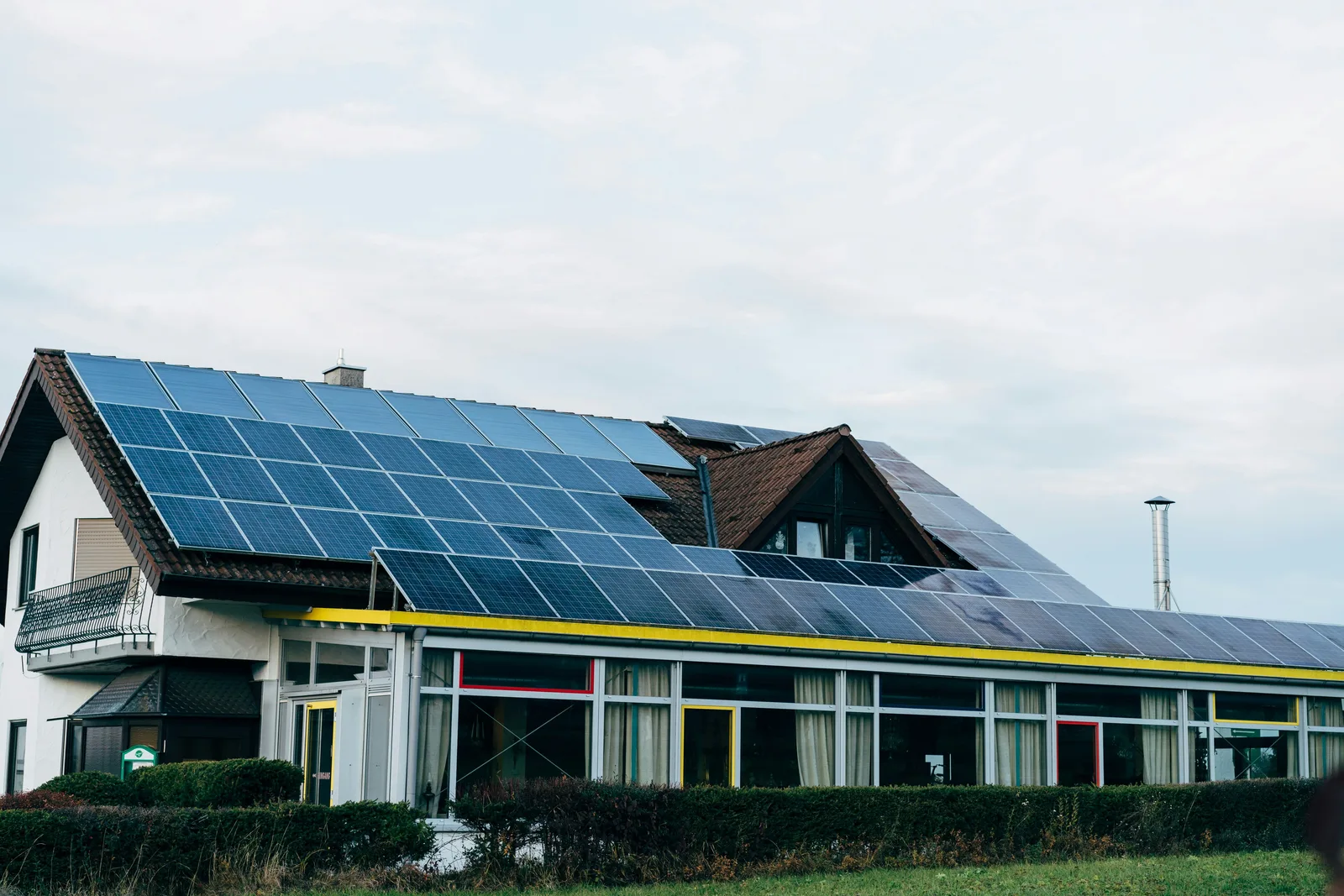
Meublé de tourisme: DPE and energy rules in 2026 (loi Le Meur)
If you let a property short-term in France, 2026 is the year energy performance catches up with you. The loi n°2024-1039 du 19 novembre 2024 — the loi Le Meur — pulls meublés de tourisme (furnished tourist rentals) into the same décence énergétique logic that already governs long-term lets. In communes that regulate change of use, a DPE now conditions the right to rent; class F and G properties are being pushed out; and from 1 January 2034 every tourist let that is not the owner's principal residence must reach class D. On top of that, registration has gone national — the State teleservice is in force since 20 May 2026 — and the taxe de séjour still applies. This guide sets out exactly what the law requires, the dates that matter, which properties are exempt, and how to plan renovations before a deadline — or a fine — forces your hand.
Éco-PTZ for landlords: financing a rental renovation at zero interest in 2026
For a French landlord, a rental rated F or G on the DPE is now a countdown, not just a comfort problem. From 1 January 2025 the most energy-hungry homes can no longer legally be rented, and F-rated flats follow in 2028. Renovating is unavoidable — the real question is how to pay for it without draining your cash. This is where the éco-prêt à taux zéro (éco-PTZ) earns its place: a state-backed, interest-free loan of up to €50,000 over 20 years, open to landlords, with no income condition. This guide walks through the 2026 ceilings, the eligible works and the RGE rule, how the éco-PTZ stacks with MaPrimeRénov and CEE on the same works, the prêt avance rénovation variant, and the tie-in with the déficit foncier and the décence énergétique deadlines. Figures are drawn from service-public.gouv.fr and France Rénov; treat this as information, not personalised advice, and confirm each figure at the source before you sign.