France Ends 'Free' Healthcare for Foreign Residents: A 2025 Green Guide (Prevention, Cost, Sustainable Solutions)
France has ended ‘free’ access to public healthcare for non-working foreign residents. Beyond politics, our eco-minded readers ask: how do we stay well covered while protecting our health, wallet—and the planet? This guide takes a sustainable lens: prevention over cure, responsible insurers, less medical waste, and a low-carbon health budget. The greenest expense is the one prevented by a healthier lifestyle.
1) What's changing—in plain language
2) A green lens: prevention saves money and emissions
3) Map your rights: EU/EEA/CH vs. non-EU
4) Build a calm, sustainable health budget
5) Concrete solutions with a low-carbon twist
6) Three persona roadmaps
7) 30-day action plan
8) Ethics & climate
People Also Ask
Conclusion: The end of ‘free’ healthcare doesn’t end quality coverage—it invites a sustainable redesign of your health journey. Blend entitlements (PUMA/S1), a responsible top-up, and daily prevention to stabilize costs, lower your footprint, and live better. Solidarity is shifting—toward reciprocity and clarity. For GreenDailyFix readers, it’s a chance to align personal health, social fairness, and climate—the genuine triple win. Many expats only discover coverage gaps when they need urgent care — for a detailed look at these situations, see <a href="https://www.expatadminhub.com/en/blog/2026-01-08-why-many-expats-discover-theyre-no-longer-covered-only-when-they-need-care" target="_blank" rel="noopener noreferrer">this investigation into expat healthcare coverage gaps</a>.
About the author:
Julien Maurice is the founder of AdminLanding and writes the editorial guides on GreenDailyFix covering French renovation aid, energy policy, and the administrative side of the energy transition. Contact: [email protected]
Related posts

Energy-Poor Homes 2026: Which Classes Are Banned From Renting, and When
If you own a French rental rated F or G on its DPE, the clock is no longer ticking — for class G it has already struck. The loi Climat et Résilience phases energy-poor dwellings (passoires thermiques) out of the rental market on a fixed calendar, and a home that is no longer 'decent' cannot legally be rented. Here is exactly which classes are banned, on which dates, what it means for your existing tenancies, and the four moves a landlord can make right now.
Energy Decency 2026: The Documents Every French Landlord Must Provide
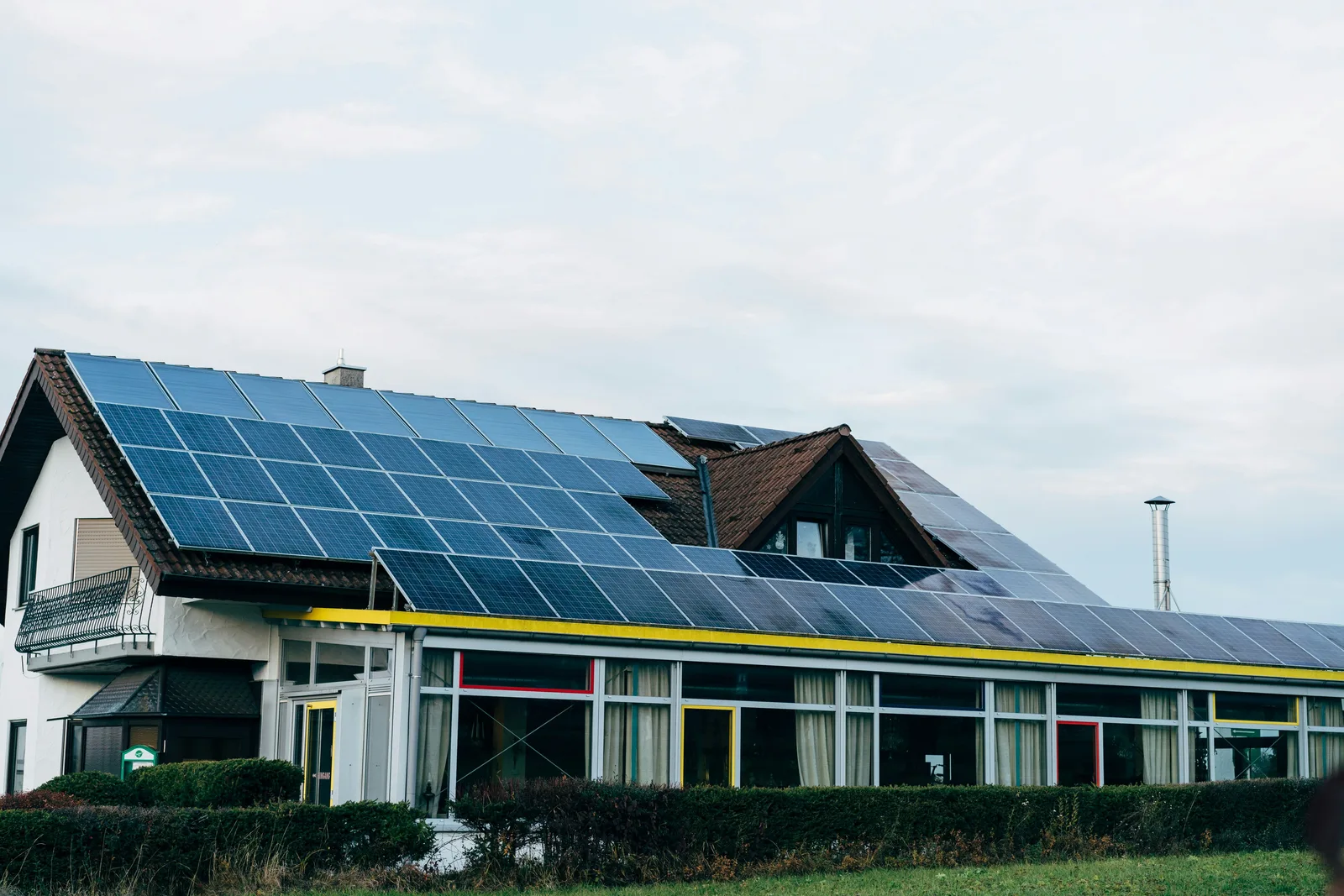
Energy performance is no longer just a label on a listing — since the loi Climat et Résilience, it is part of the legal definition of a decent home. A French landlord who cannot prove energy decency risks a tenant works request, a rent reduction ordered by a judge, or losing the right to rent at all. This is the practical document checklist: what proves your property is energy-decent, what goes in the lease file, and how to keep it dispute-proof.
France DPE 2026: New Electricity Coefficient (1.9 vs 2.3) — Who Gains a Class Without Works?
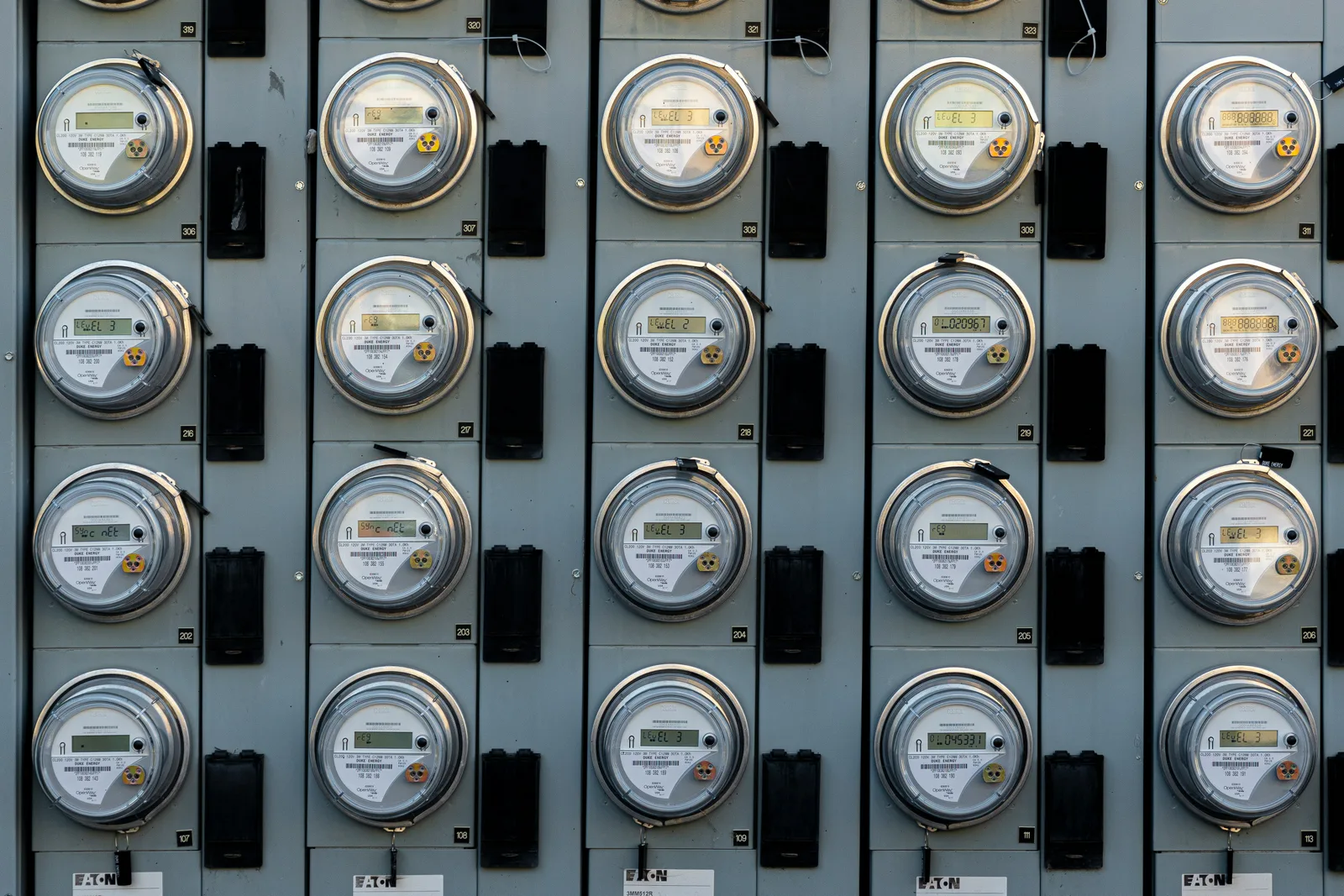
Monday evening, 10pm. You own an electric-heated 60 m² flat in France, currently rated F on the 2022 DPE — rent frozen for three years, tenant moving out end of June. Your flat may have just moved up to class E without a single wall changing. The conversion coefficient for electricity in the French DPE calculation dropped from 2.3 to 1.9 on 1 January 2026. The change is regulatory, silent, and most landlords don't realise it applies to their existing DPE — no new diagnostic needed. This guide walks through what changed, the math you can run on your current DPE, how to download the corrected ADEME certificate, and the cases where nothing changes (gas, oil, hybrid heating). The calculation is short: three multiplications, ten minutes. The consequence on lease terms, rent ceilings and the 2028 letting ban can run into thousands of euros.

MaPrimeRénov' for Landlords: Eligibility, Rent Caps, and the 2026 Rental-Property Path
MaPrimeRénov' is best known as a homeowner subsidy. Most coverage describes the calculation, the income brackets and the application steps for someone renovating their own primary residence. Landlords renovating a rental property, however, face a materially different rule set under the same scheme: a 6-year commitment to rent the property at capped rents, a maximum of 3 dwellings per landlord, a 6-month deadline to rent after works completion, an obligation to inform the existing tenant in writing, and the strict reimbursement penalty if any of those conditions slip. None of this is optional, none of it is small print, and it interlocks tightly with the décence énergétique rental-ban calendar from the Loi Climat et Résilience that already excluded G-class properties from the rental market on 1 January 2025 and pulls F-class out on 1 January 2028. This guide walks foreign and resident landlord-investors through the 2026 framework specifically — Parcours Accompagné rules, income brackets for landlords, the Avenant Annexé au Bail and the financial stack with éco-PTZ and CEE — and through the operational cost of getting a single condition wrong.