
Night of Lanterns: Bringing Meaning Back to Halloween
Beneath the layers of plastic and candy, Halloween hides an ancient, poetic story — that of Samhain, the Celtic festival marking the end of light and the start of the dark season. This October 31, instead of consuming, what if we returned to celebrating — by lantern light, in respect for nature and remembrance?
1. Halloween before Halloween
2. The lantern's universal meaning
3. How to make a natural lantern
4. The lantern walk
5. The autumn feast
6. Teaching meaning to children
7. A moment of stillness
8. Zero-waste Halloween
9. Rediscover seasonal spirituality
10. Reinventing together
People also ask
Conclusion: Lighting a lantern is never trivial. It's remembering that even in the darkest night, a single flame can light the world. This October 31, choose slowness, gratitude, and poetry. To celebrate sustainably is to love life — both its light and its shadow.
About the author:
Julien Maurice is the founder of AdminLanding and writes the editorial guides on GreenDailyFix covering French renovation aid, energy policy, and the administrative side of the energy transition. Contact: [email protected]
Related posts
Most People Aren’t Failing at Sustainable Living — They’re Just Optimising the Wrong Things
If sustainable living feels harder than it should, there’s a reason — and it has nothing to do with laziness or lack of care. In 2026, many people aren’t doing too little for the planet. They’re simply spending their energy on choices that barely move the needle.
If You Want to Live More Sustainably in 2026, Stop Doing More — Start Choosing What to Ignore
After years of advice telling us to optimise everything, many people reach the same conclusion: sustainable living feels like constant self-surveillance. In 2026, the most effective green shift is not about adding new rules, but about consciously deciding what no longer deserves your energy.

Why Sustainable Living Feels Exhausting - And How to Build a Green Life You Can Actually Maintain
Many people do not quit sustainable living because they do not care. They quit because it is exhausting. Too many rules. Too many contradictions. Too much pressure to do everything right, all the time. In 2026, this quiet fatigue has a name - and it is one of the biggest obstacles to real environmental progress.
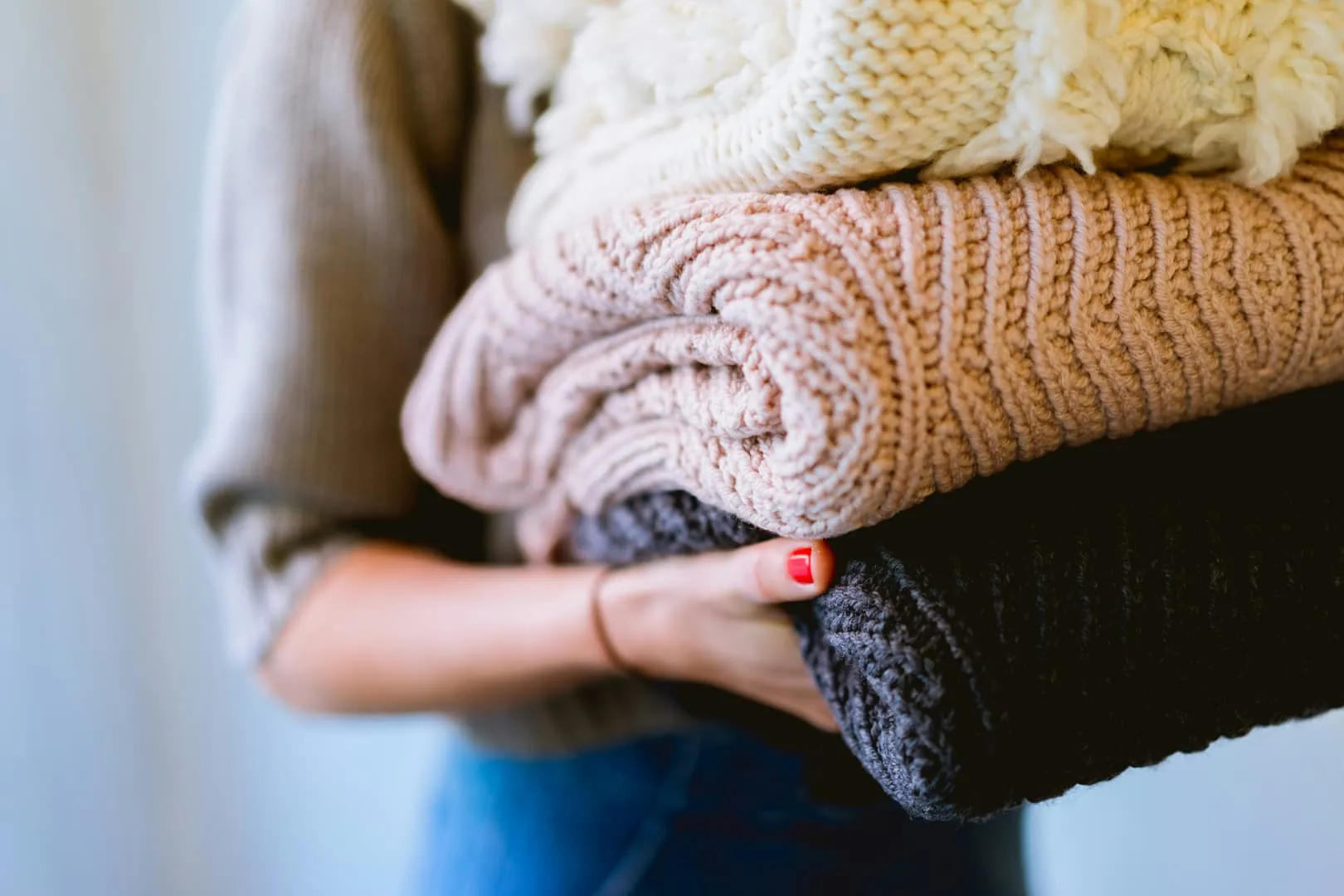
Your Laundry Might Be Polluting More Than Your Car: The Microplastic Problem at Home
Every time you wash your clothes, thousands of microscopic plastic fibres are released into water systems. In 2026, scientists agree: laundry is one of the largest sources of microplastic pollution — and it happens quietly, at home.