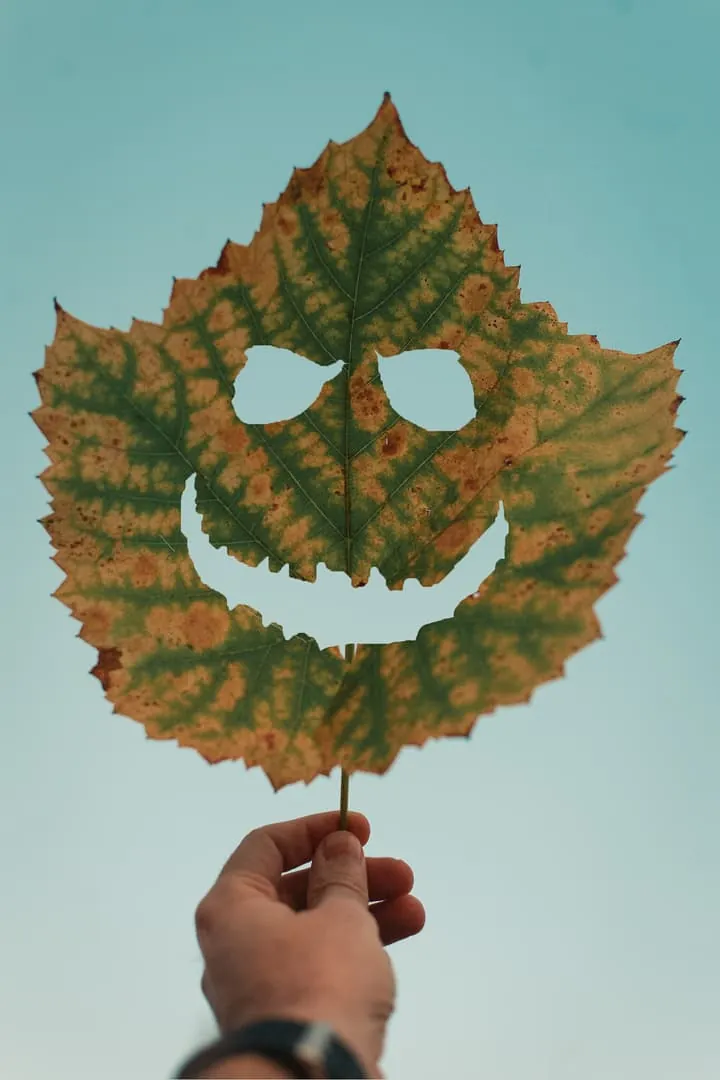
Eco-Friendly Halloween: Decorate Without Plastic or Waste
Plastic cobwebs, disposable garlands, toxic candles… Halloween has become a one-night waste festival. Yet you can still make it magical, spooky, and sustainable. Here's how to turn your home into a haunted haven without harming the planet.
1. Redefine Halloween's spirit
2. Natural decorations
3. Family-friendly DIYs
4. Lighting sustainably
5. Home-costume creativity
6. Ethical Halloween table
7. Zero-waste swap table
| Wasteful item | Eco replacement |
|---|---|
| Plastic webs | Yarn or fishing net offcuts |
| Glitter | Natural mica or sugar dust |
| Balloons | Recycled paper lanterns |
| Paraffin candles | Soy or beeswax candles |
8. After-party recycling
9. Inspire, don't guilt-trip
10. Spooky, not harmful
People also ask
Conclusion: Decorating sustainably honors Halloween's roots — transformation and light. When creativity replaces consumption, we rediscover its true magic and give this night a greener future.
About the author:
Julien Maurice is the founder of AdminLanding and writes the editorial guides on GreenDailyFix covering French renovation aid, energy policy, and the administrative side of the energy transition. Contact: [email protected]
Related posts
Most People Aren’t Failing at Sustainable Living — They’re Just Optimising the Wrong Things
If sustainable living feels harder than it should, there’s a reason — and it has nothing to do with laziness or lack of care. In 2026, many people aren’t doing too little for the planet. They’re simply spending their energy on choices that barely move the needle.
If You Want to Live More Sustainably in 2026, Stop Doing More — Start Choosing What to Ignore
After years of advice telling us to optimise everything, many people reach the same conclusion: sustainable living feels like constant self-surveillance. In 2026, the most effective green shift is not about adding new rules, but about consciously deciding what no longer deserves your energy.

Why Sustainable Living Feels Exhausting - And How to Build a Green Life You Can Actually Maintain
Many people do not quit sustainable living because they do not care. They quit because it is exhausting. Too many rules. Too many contradictions. Too much pressure to do everything right, all the time. In 2026, this quiet fatigue has a name - and it is one of the biggest obstacles to real environmental progress.
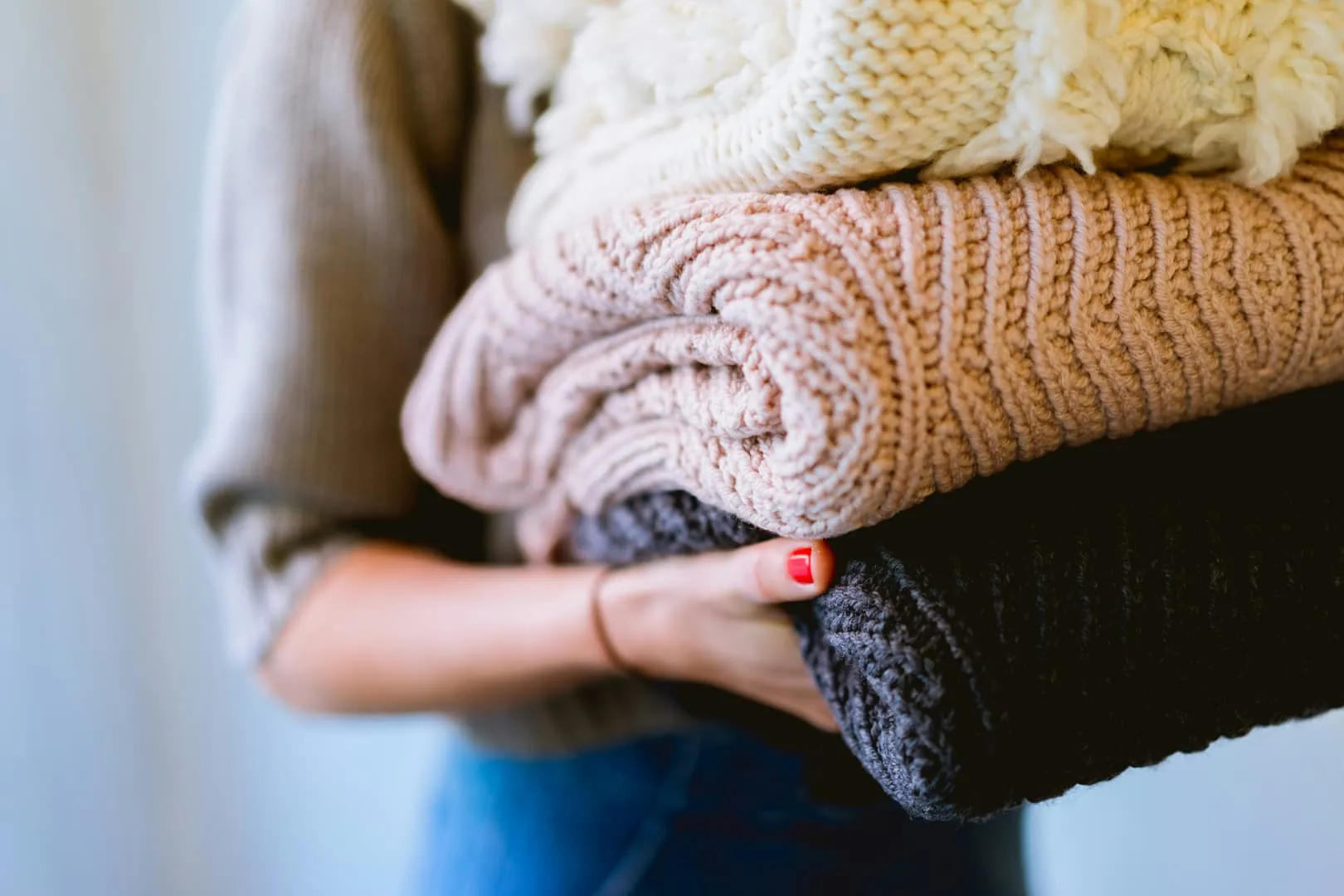
Your Laundry Might Be Polluting More Than Your Car: The Microplastic Problem at Home
Every time you wash your clothes, thousands of microscopic plastic fibres are released into water systems. In 2026, scientists agree: laundry is one of the largest sources of microplastic pollution — and it happens quietly, at home.