
Humidity and heating: finding the right balance in European homes
When heating comes on, indoor air often dries out — except in unventilated rooms, where moisture builds up. Too much humidity brings mold, too little dries out skin and sinuses. The balance is easy to achieve with a few simple habits.
Measure before acting
A hygrometer costs less than €10. Ideal humidity sits between 40% and 60%. Below that, place a bowl of water on a radiator or add tropical plants; above it, air out and avoid drying laundry indoors. For more ways to prepare your home for colder months, check our guide on winter home preparation.
Optimize your heating
Lowering the thermostat by just one degree cuts bills by 7%. Close doors to unused rooms and bleed radiators once a season. For older homes, a low-heat fan helps distribute warmth without extra energy use. Learn additional habits to cut your heating bill this winter.
Prevent condensation
Cold corners or single-glazed windows create condensation. Wipe down after showers, avoid furniture against walls, and open curtains in the morning to let heat circulate. A small portable dehumidifier can help, too. Combine this with our indoor air quality tips for a healthier home environment.
Frequently asked questions
What's the ideal humidity for sleeping?
Between 45% and 55%. Too dry irritates your throat, too humid favors dust mites. A plant like the Areca palm helps naturally balance room air.
Conclusion: Balancing heat and humidity is the secret to a comfortable winter. Healthy air means less fatigue and a more durable home. Start by measuring, optimizing your heating system, and preventing condensation in cold spots.
Frequently asked questions
What's the ideal humidity for sleeping?
Between 45% and 55%. Too dry irritates your throat, too humid favors dust mites. A plant like the Areca palm helps naturally balance room air.
About the author:
Julien Maurice is the founder of AdminLanding and writes the editorial guides on GreenDailyFix covering French renovation aid, energy policy, and the administrative side of the energy transition. Contact: [email protected]
Related posts
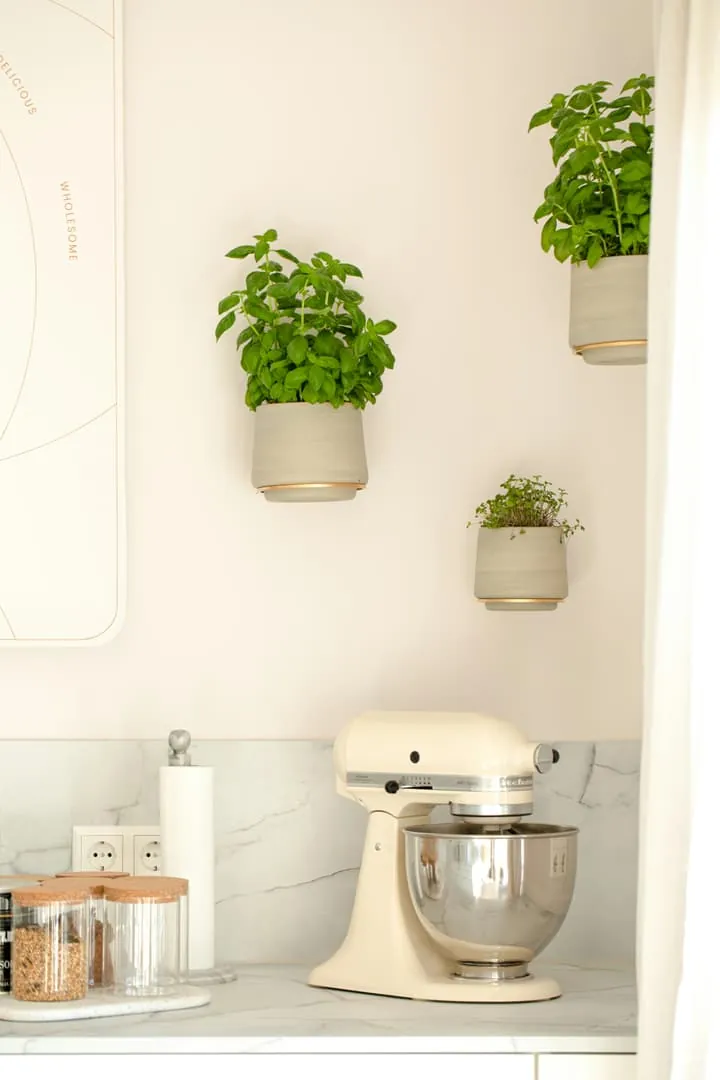
The Winter Home Problem Nobody Talks About: Humidity, Mould, and the Air You’re Breathing
Every winter, we seal our homes to keep warmth in — and trap something else inside. Humidity rises, air stagnates, and invisible pollutants accumulate. In 2026, indoor air quality is becoming one of the most overlooked health issues in European homes.

From Optimisation to Protection: Why European Homes Are Redefining Energy Strategy in 2026
For years, energy advice focused on optimisation: better efficiency, higher performance, maximum savings. In 2026, European households are quietly changing priorities. The new goal is not perfection - it is protection.

The Illusion of Energy Stability: Why Europe's 2026 Calm Is Costing Households More Than They Think
For the first time in years, Europe entered winter without an energy shock. No dramatic price surge. No emergency headlines. And yet, something more dangerous is happening quietly: households are mistaking stability for safety.
Europe’s Winter Wake-Up Call: The Hidden Energy Decisions Millions of Homes Will Regret Delaying in 2026
This winter, Europe didn’t freeze — but something else happened quietly. Millions of households realized that energy problems no longer arrive as shocks. They arrive as slow, expensive regrets. Winter 2026 isn’t about panic. It’s about the cost of waiting.