
Rent Freeze on F/G Properties in France: What Landlords Can and Can't Do in 2026
Can you raise the rent on an F or G property in France? No. Since 24 August 2022, the rent of a "passoire thermique" (DPE class F or G) in mainland France is frozen: no IRL indexation, no increase at renewal, none between tenants — until renovation lifts it to class E or better, proven by a new DPE.
The short answer: F and G rents are frozen
If your property is rated F or G on its DPE, the rent is frozen for the entire time it stays in that class. This comes from article 159 of the loi Climat et Résilience (law n° 2021-1104 of 22 August 2021) and has applied since 24 August 2022. In practice the rule shuts down every lever a landlord normally uses to raise the rent: - You cannot apply the annual IRL revision, even when the index is rising and your lease has a revision clause. - You cannot increase the rent at renewal, even if it is below market (the "loyer manifestement sous-évalué" route is closed). - You cannot increase the rent between tenants — re-letting at a higher figure is forbidden. The freeze attaches to the dwelling because of its DPE class, not to a particular tenant. It follows the home through every new lease and renewal until the class changes.
What exactly is blocked?
It helps to see the three mechanisms side by side. For an F or G home, all three are off the table:
| Rent lever | Normal home | F / G passoire |
|---|---|---|
| Annual IRL indexation | Allowed (with a clause) | Blocked |
| Increase at lease renewal | Allowed if under-valued | Blocked |
| Increase when re-letting (new tenant) | Allowed within rules | Blocked |
Which leases and which territories are concerned?
The freeze applies to leases signed, renewed or tacitly renewed on or after 24 August 2022. Because most residential leases renew tacitly each year or every three years, almost every ongoing F/G tenancy in mainland France is now caught. For overseas territories (DROM), the enforceable DPE and the rent freeze took effect later — from 1 July 2024 — to line up with the rollout of the DPE there. One quiet relief: an order of 25 March 2024 adjusted the DPE thresholds for small homes under 40 m² from 1 July 2024, and roughly 140,000 dwellings stopped being classed F or G overnight. If your property is small, it is worth checking whether it is still a passoire at all.
How the freeze ends: renovate out of F/G
There is exactly one way to lift the freeze: improve the home's energy performance so a new DPE puts it at class E or better. Once the dwelling is no longer F or G, the normal rules return — you can index, revise at renewal and re-let within the usual limits. The proof is the new DPE issued after the works. Until that document exists and shows class E (or higher), the rent stays frozen — promises of future works do not unfreeze anything. Two things can move a home out of F/G without a full renovation: - The 2026 DPE coefficient change for electric heating (the primary-energy coefficient fell from 2.3 to 1.9 on 1 January 2026), which mechanically lifts many electrically heated homes up a class. If you heat with electricity, re-run the DPE — your home may already be class E and free of the freeze. - The small-surface threshold revision mentioned above, for homes under 40 m². In both cases the lever is the same: a fresh DPE in an authorised class is what unlocks the rent. To find out which side of the freeze your property sits on, AdminLanding's free DPE 2026 check places its current class in two minutes, no account needed.
Freeze vs. rental ban — don't confuse them
The rent freeze and the rental ban are two different rules with two different timetables. Mixing them up is the most common landlord mistake. - The freeze (this article): an F or G home can still be rented, but its rent cannot rise. In force since 24 August 2022. - The ban: certain classes can no longer be put on the market at all. G has been barred from new lets since 1 January 2025; F follows in 2028; E in 2034. So a class F home in 2026 is in a particular squeeze: it is legal to rent but frozen on price, and it has a deadline (2028) before it becomes unrentable for new leases. For the full ban timetable, see the passoire thermique rental-ban calendar. This is general information, not legal advice. Rules and dates change and depend on your exact situation — verify with ANIL or service-public.gouv.fr before acting.
Conclusion: The rule is blunt: a class F or G home in mainland France is frozen on rent — no IRL, no renewal increase, no re-letting bump — and has been since 24 August 2022. The only key that unlocks it is a new DPE in class E or better, whether earned through renovation, the 2026 electric-heating coefficient, or the small-surface threshold change. Keep this distinct from the rental ban, which is a separate calendar (G since 2025, F in 2028, E in 2034). Check your current DPE class first; it decides everything about what you may charge.
Frequently asked questions
Can I apply the IRL annual revision to an F home?
No. Since 24 August 2022 the IRL indexation is blocked for class F and G homes, even when the index is rising and your lease contains a revision clause. The rent stays at its current figure until the home leaves the F/G band.
Can I raise the rent when a new tenant moves in?
No. Re-letting an F or G home to a new tenant must be at the same rent the previous tenant paid. The freeze attaches to the dwelling's DPE class, not to the person, so a change of tenant does not reset the rent.
Does the freeze end after renovation?
Yes — but only once a new DPE issued after the works shows class E or better. At that point the home is no longer a passoire and the normal rules (IRL, renewal, re-letting) apply again. Future or planned works do not lift the freeze; the new DPE does.
Is the rent freeze the same as the rental ban?
No. The freeze means an F/G home can still be rented but its rent cannot rise (since 2022). The ban means certain classes cannot be rented at all — G since 1 January 2025, F from 2028, E from 2034. They are separate rules on separate timetables.
Can the 2026 electricity coefficient lift my freeze?
Possibly. The DPE primary-energy coefficient for electricity fell from 2.3 to 1.9 on 1 January 2026, which moves many electrically heated homes up a class. If a fresh DPE puts yours at class E, it is no longer frozen — re-run the DPE before assuming you are stuck.
I'm an overseas (DROM) landlord — does the freeze apply to me?
Yes, but it started later. In overseas territories the enforceable DPE and the rent freeze took effect on 1 July 2024, in step with the DPE rollout there. The substance is the same: no rise on F/G homes until a new DPE reaches class E.
About the author:
Julien Maurice is the founder of AdminLanding and writes the editorial guides on GreenDailyFix. He covers French energy regulation and the administrative side of renting and renovating property in France.
Related posts

DPE Energy Ratings and Your French Rental: The 2026 Letting Bans, Explained
By mid-2026, a French home's DPE letter is no longer a detail on the listing — it decides whether the home may legally be rented at all. Class G has been banned from new lettings since January 2025, F and G rents are frozen, and the loi Le Meur has now closed the short-term escape route by attaching an energy floor to tourist lets too. If you own (or rent) a lettable home in France, this is the July 2026 state of play: what is already banned, what gets banned next, and what an owner of an F or G home can realistically still do.
Renting an Energy Sieve? Your Rights in 2026: Rent Freeze, DPE G Ban, and How Fast You Can Leave
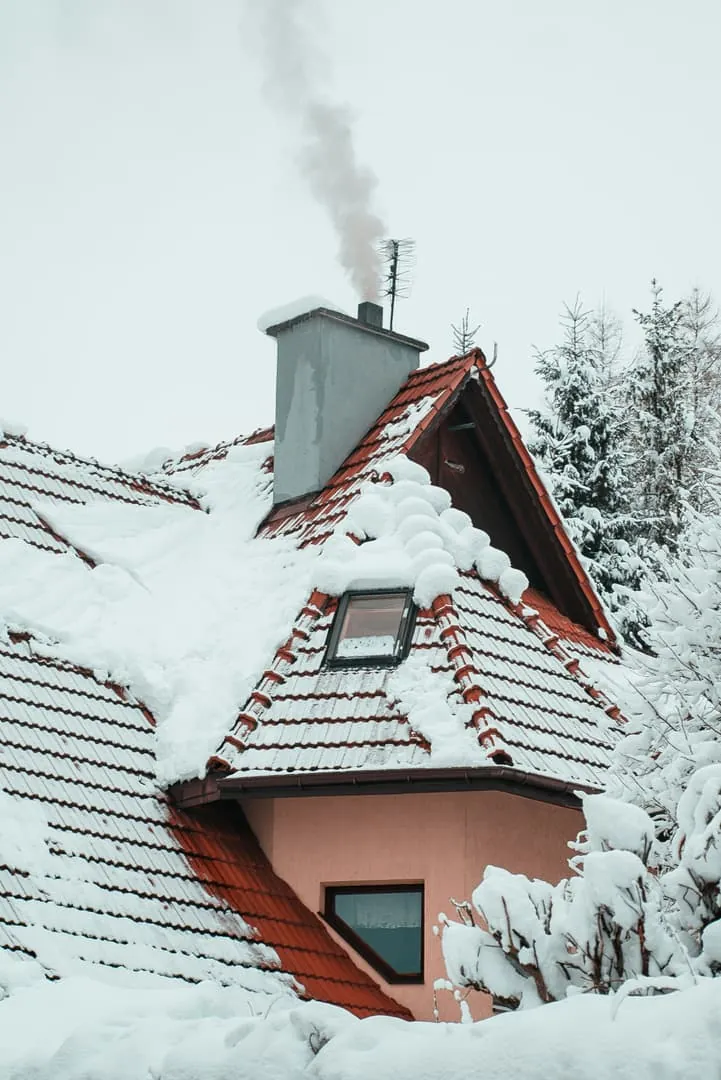
A flat that never gets warm, radiators running flat out, and an electricity bill that hurts more than the rent: living in a passoire thermique (energy sieve) is a daily tax on comfort. But in 2026 the law is firmly on the tenant's side — twice. If you stay, the rent of an F- or G-rated home is frozen and class G has been banned from new leases since 2025. If you decide to leave, the notice rules (préavis) are more favourable than most people think — often 1 month instead of 3 — provided you claim the reduction correctly, send the letter the right way and count the dates the way the law does. This guide covers both halves: your rights while you stay, and the exact mechanics of leaving, including the zone tendue subtlety that most websites get wrong.

Meublé de tourisme: DPE and energy rules in 2026 (loi Le Meur)
If you let a property short-term in France, 2026 is the year energy performance catches up with you. The loi n°2024-1039 du 19 novembre 2024 — the loi Le Meur — pulls meublés de tourisme (furnished tourist rentals) into the same décence énergétique logic that already governs long-term lets. In communes that regulate change of use, a DPE now conditions the right to rent; class F and G properties are being pushed out; and from 1 January 2034 every tourist let that is not the owner's principal residence must reach class D. On top of that, registration has gone national — the State teleservice is in force since 20 May 2026 — and the taxe de séjour still applies. This guide sets out exactly what the law requires, the dates that matter, which properties are exempt, and how to plan renovations before a deadline — or a fine — forces your hand.
Éco-PTZ for landlords: financing a rental renovation at zero interest in 2026
For a French landlord, a rental rated F or G on the DPE is now a countdown, not just a comfort problem. From 1 January 2025 the most energy-hungry homes can no longer legally be rented, and F-rated flats follow in 2028. Renovating is unavoidable — the real question is how to pay for it without draining your cash. This is where the éco-prêt à taux zéro (éco-PTZ) earns its place: a state-backed, interest-free loan of up to €50,000 over 20 years, open to landlords, with no income condition. This guide walks through the 2026 ceilings, the eligible works and the RGE rule, how the éco-PTZ stacks with MaPrimeRénov and CEE on the same works, the prêt avance rénovation variant, and the tie-in with the déficit foncier and the décence énergétique deadlines. Figures are drawn from service-public.gouv.fr and France Rénov; treat this as information, not personalised advice, and confirm each figure at the source before you sign.