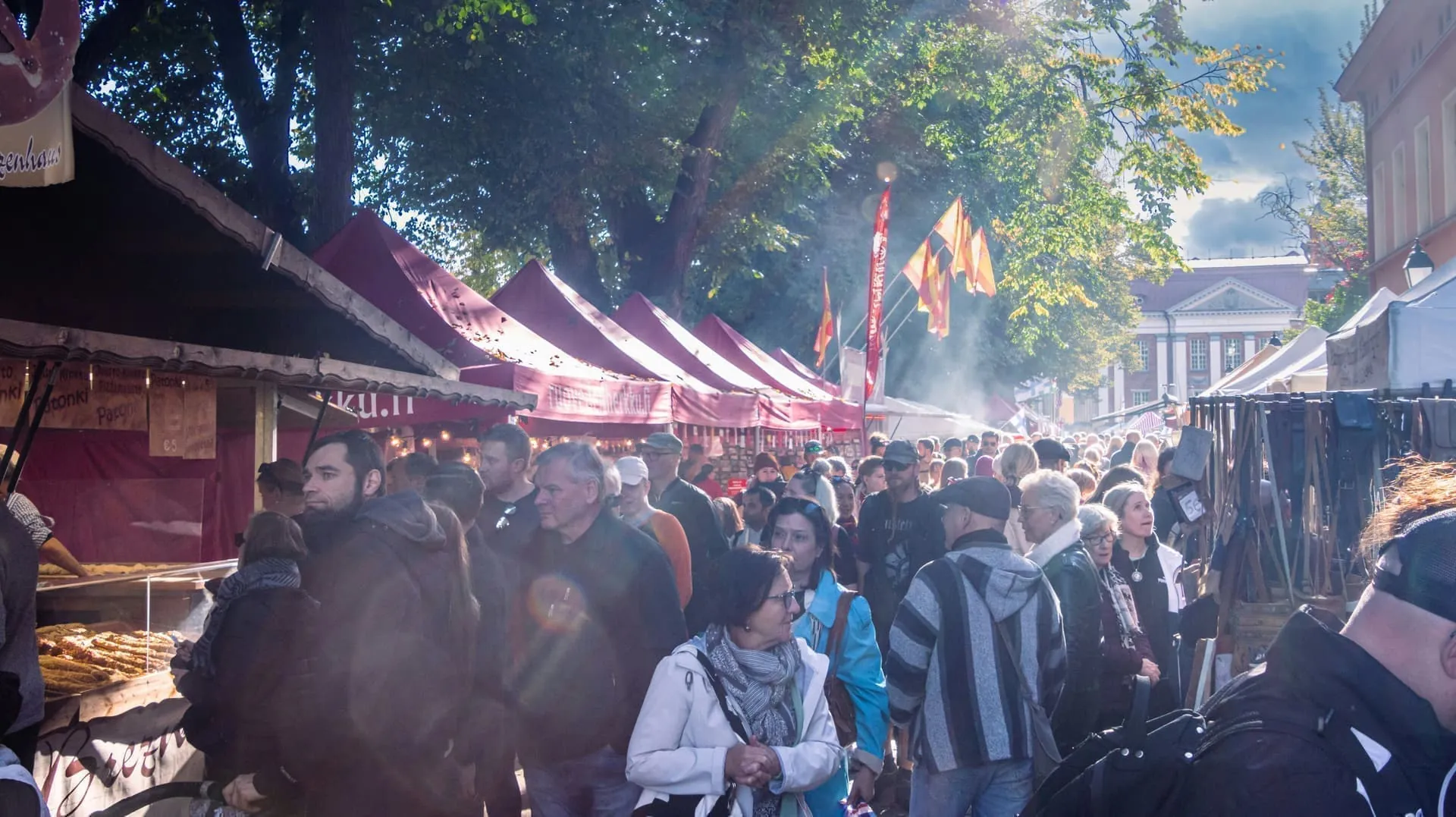
Autumn markets: rediscovering local flavors before winter
Apples, pumpkins, chestnuts, mountain cheeses... October markets across Europe burst with color and fragrance. It's the perfect time to support local producers and fill your kitchen with fresh, sustainable, flavorful food.
Why buy local in autumn?
Buying from markets reduces transport emissions, supports family farms, and brings fresher, nutrient-rich produce. Across France, Italy, and Germany, many farmers sell directly — often cheaper than imported goods. Autumn fruits and vegetables like pumpkin, pear, cabbage, and celery also keep well without refrigeration.
Simple ideas for cooking seasonally
With a few market finds, you can make a comforting soup (see our seasonal autumn soup recipes), a rustic apple tart, or a pumpkin-and-cheese gratin. Dried herbs like thyme, bay leaf, and sage add warmth and fragrance. An evening of cooking is also a way to slow down and savor the season.
Markets to visit across Europe
• France: the Dieppe market, often ranked among the country's finest, overflows with Norman produce. • Italy: Florence's Mercato Centrale blends organic farmers with local specialties. • Germany: Munich's autumn markets already hint at winter with sauerkraut and spiced bread. Markets are more than stalls — they're spaces for community and culinary heritage.
Frequently asked questions
How can I tell if a product is truly local?
Ask the vendor where and when the product was harvested. Labels such as 'local', 'farm-made', or the EU organic logo indicate nearby origins. When in doubt, stick to seasonal produce — no melons or fresh tomatoes in October!
What if I don't have a market nearby?
Join a CSA or local food co-op. Many European supermarkets now highlight 'short supply chain' produce with clear in-store labels.
Conclusion: Visiting an autumn market is more than shopping — it's a walk, a meeting, a reconnection to the season. Buying local feeds your body, your community, and the environment at once.
Frequently asked questions
How can I tell if a product is truly local?
Ask the vendor where and when the product was harvested. Labels such as 'local', 'farm-made', or the EU organic logo indicate nearby origins. When in doubt, stick to seasonal produce — no melons or fresh tomatoes in October!
What if I don't have a market nearby?
Join a CSA or local food co-op. Many European supermarkets now highlight 'short supply chain' produce with clear in-store labels.
About the author:
Julien Maurice is the founder of AdminLanding and writes the editorial guides on GreenDailyFix covering French renovation aid, energy policy, and the administrative side of the energy transition. Contact: [email protected]
Related posts
Most People Aren’t Failing at Sustainable Living — They’re Just Optimising the Wrong Things
If sustainable living feels harder than it should, there’s a reason — and it has nothing to do with laziness or lack of care. In 2026, many people aren’t doing too little for the planet. They’re simply spending their energy on choices that barely move the needle.
If You Want to Live More Sustainably in 2026, Stop Doing More — Start Choosing What to Ignore
After years of advice telling us to optimise everything, many people reach the same conclusion: sustainable living feels like constant self-surveillance. In 2026, the most effective green shift is not about adding new rules, but about consciously deciding what no longer deserves your energy.

Why Sustainable Living Feels Exhausting - And How to Build a Green Life You Can Actually Maintain
Many people do not quit sustainable living because they do not care. They quit because it is exhausting. Too many rules. Too many contradictions. Too much pressure to do everything right, all the time. In 2026, this quiet fatigue has a name - and it is one of the biggest obstacles to real environmental progress.
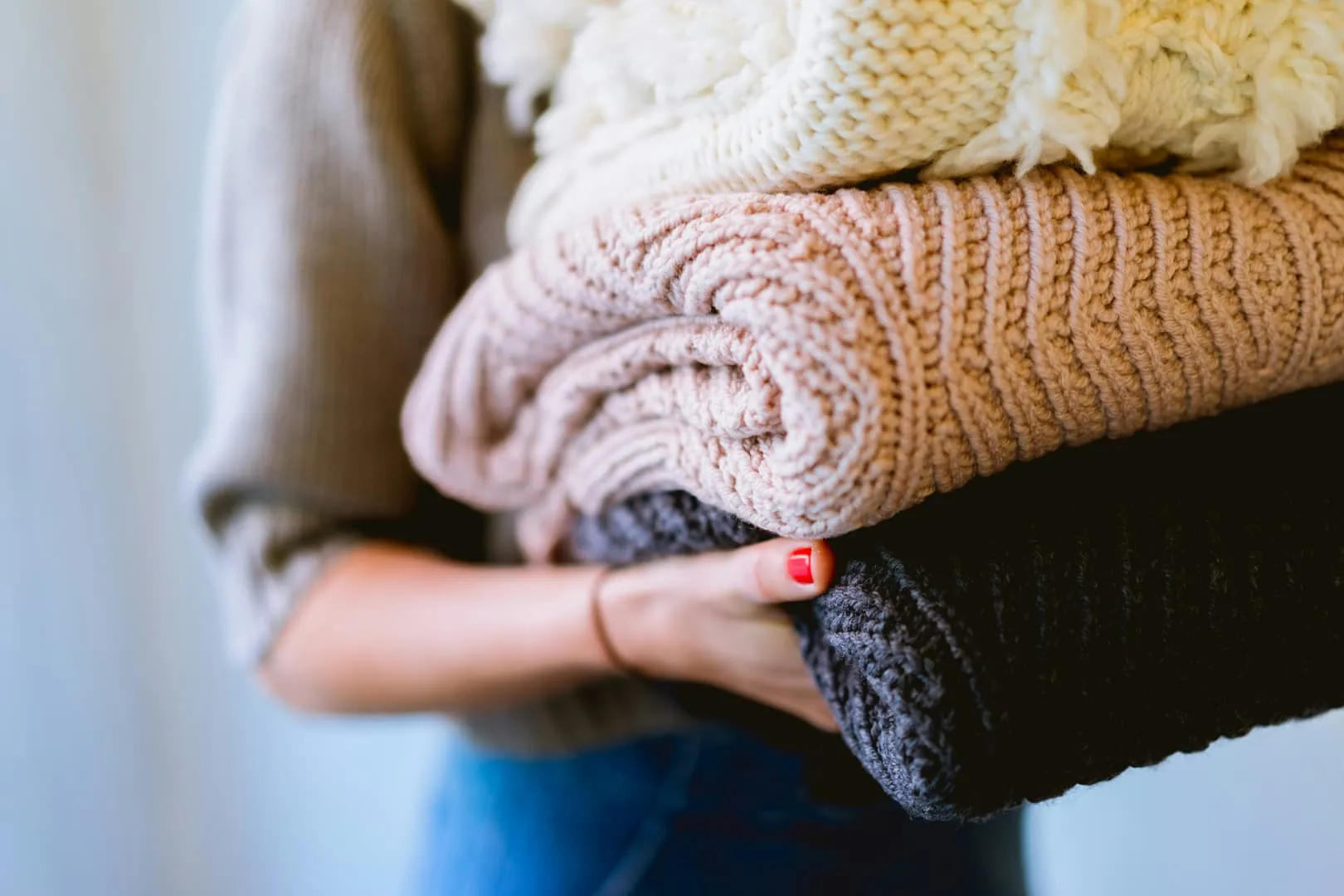
Your Laundry Might Be Polluting More Than Your Car: The Microplastic Problem at Home
Every time you wash your clothes, thousands of microscopic plastic fibres are released into water systems. In 2026, scientists agree: laundry is one of the largest sources of microplastic pollution — and it happens quietly, at home.